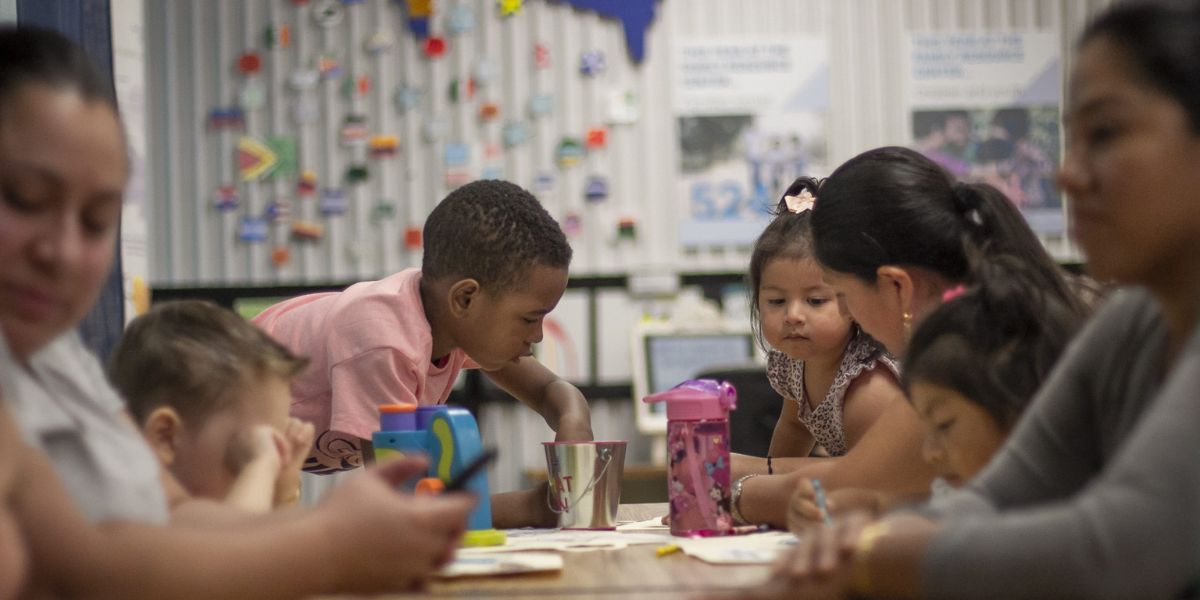
Across the United States, family support groups are becoming a vital part of community well-being. With rising stress levels, economic pressures, and post-pandemic mental health challenges, families are increasingly turning to group-based support systems for strength, guidance, and understanding. These groups, often led by professionals or peers, create a safe space for individuals and families to share experiences, learn coping strategies, and feel less alone in their struggles.
The Growing Role of Family Support Groups in Modern America
Family support groups have evolved beyond simple discussion circles. Today, they serve as structured, evidence-based programs that address a range of issues—from parenting challenges and addiction recovery to grief management and mental health. Organizations across the U.S. have recognized that families are the backbone of social stability, and when they receive the right support, entire communities benefit.
Table of Contents
In many states, local health departments and nonprofits have started integrating support groups into broader community wellness strategies. Whether it’s helping parents manage stress, guiding families through a loved one’s recovery, or supporting caregivers of older adults, these groups play an increasingly important role in promoting resilience and connection.
How Family Support Groups Strengthen Emotional Well-Being
Research consistently shows that group-based emotional support reduces stress, anxiety, and isolation. Families who participate in these groups often report improved communication, better conflict resolution, and enhanced emotional understanding within the household.
“When families come together and share their stories, something powerful happens — healing begins,” says Dr. Lisa Brennan, a family therapist in Chicago. “Support groups remind people that they’re not alone, and that shared experiences create strength.”
By participating in regular sessions, families gain not only practical advice but also emotional validation. Knowing that others face similar struggles helps normalize challenges and reduce stigma around seeking help.
Types of Family Support Groups Across the U.S
Family support groups vary widely depending on the needs of the community. Some of the most common types include:
- Parenting Support Groups: Helping parents navigate challenges like work-life balance, behavioral issues, or raising children with special needs.
- Addiction Recovery Family Groups: Providing families with tools to support loved ones struggling with substance use disorders.
- Grief and Bereavement Groups: Offering comfort and coping strategies to those dealing with the loss of a family member.
- Mental Health Support Groups: Addressing depression, anxiety, or trauma within family systems.
- Caregiver Support Groups: Helping those caring for aging parents or family members with chronic illnesses.
These diverse models ensure that every family, regardless of background or struggle, can find a group tailored to their needs.
Community and Faith-Based Organizations Leading the Way
Many faith-based and community organizations in the U.S. have stepped up to offer family-centered programs. Churches, community centers, and nonprofits collaborate to create welcoming environments where families can seek help without fear of judgment.
For instance, in Texas, several local churches have partnered with behavioral health nonprofits to offer weekly support sessions that focus on faith, healing, and community strength. Similarly, family resource centers across California and New York have expanded their outreach, hosting bilingual sessions to serve diverse populations.
These programs demonstrate that community-driven approaches are often the most effective. They combine local understanding with professional guidance, creating sustainable models for long-term family wellness.
How Technology Is Expanding Access to Support
The rise of digital platforms has made it easier than ever for families to connect with support groups, especially in rural or underserved areas. Virtual meetings, teletherapy sessions, and online communities allow families to access guidance from the comfort of their homes.
Platforms like NAMI (National Alliance on Mental Illness) and Mental Health America now offer nationwide online family support meetings. This digital accessibility has broken geographical barriers, making it possible for families across the country to find community and support whenever they need it.
The Long-Term Impact of Family Support Groups
Family support groups don’t just help individuals—they strengthen the entire community fabric. By improving emotional resilience, reducing crisis intervention needs, and promoting empathy, these programs create ripple effects that benefit schools, workplaces, and neighborhoods.
In communities where these groups are active, social service agencies often report lower rates of family conflict, substance abuse, and mental health emergencies. This proves that investing in family well-being is an investment in community stability.
Conclusion: Building a Culture of Support
The demand for family support groups in America continues to rise—and for good reason. Families are realizing that healing and growth are not solitary processes. By coming together in shared understanding, communities can build a stronger, more compassionate society.
If your community doesn’t yet have a local support group, now might be the time to start one. Collaboration between residents, local organizations, and faith institutions can spark lasting change and ensure that no family faces hardship alone.
Want to learn more about building supportive communities and volunteer initiatives? Visit PKCM.org for resources, inspiration, and ways to get involved in strengthening families where you live.