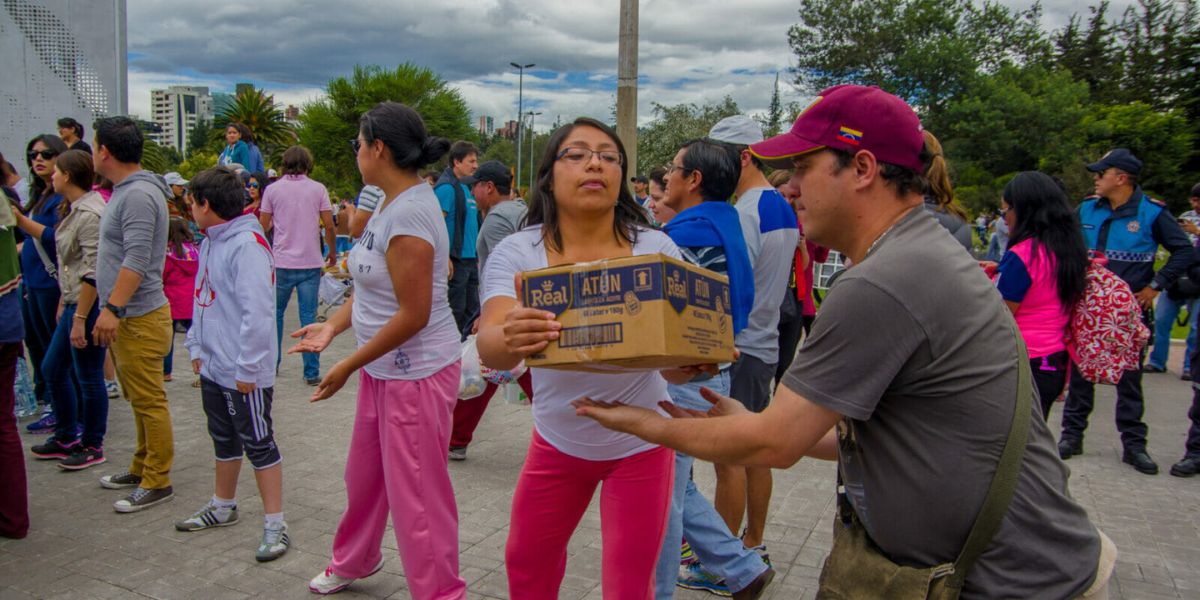
When natural disasters strike—whether wildfires, hurricanes, floods, or tornadoes—the immediate response often relies on professionals like firefighters, emergency responders, and relief agencies. However, behind every recovery effort stands an unsung force that plays a crucial role: volunteers. Across the United States, communities depend on volunteers not only for emergency aid but also for long-term recovery and rebuilding. This growing reliance underscores why every U.S. city must invest in developing strong volunteer networks for disaster response.
Understanding the Growing Need for Disaster Volunteers
Over the past decade, the United States has seen a significant increase in climate-related disasters. From the wildfires in California to hurricanes in Florida and tornadoes across the Midwest, these events have caused billions in damage and displaced countless families. Federal and local agencies often face resource shortages during these crises, and that’s where volunteers fill the gap.
Table of Contents
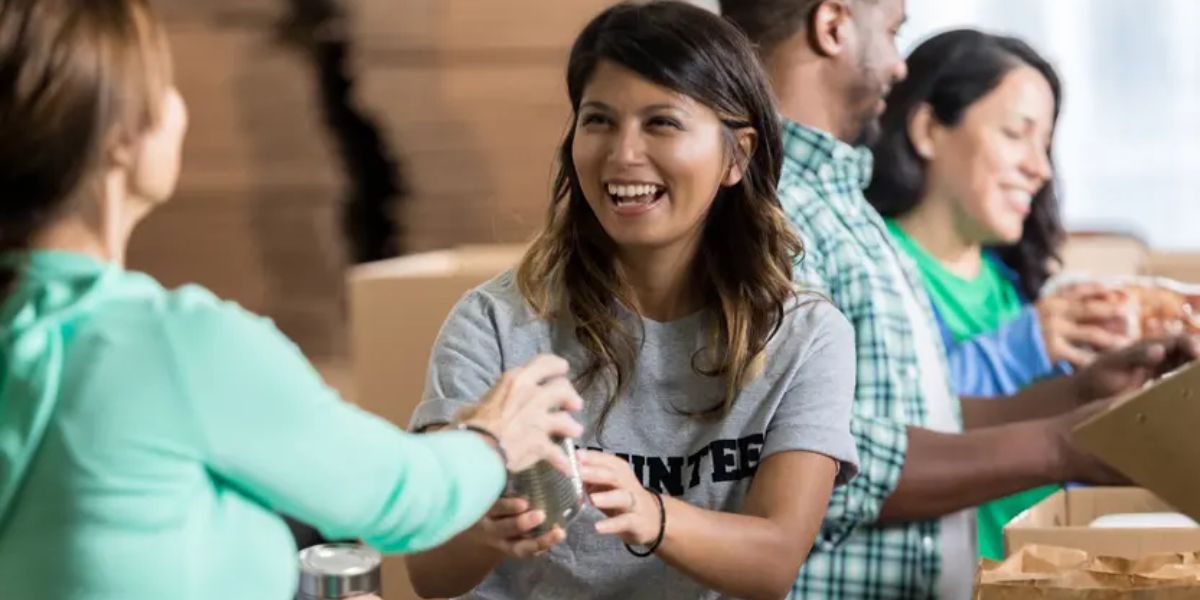
Disaster volunteers provide essential manpower when first responders are overwhelmed. They help distribute supplies, assist evacuees, organize shelters, and even participate in cleanup efforts once the immediate danger has passed. The lesson here is clear: no disaster recovery operation is complete without the support of volunteers who bring compassion, resilience, and local knowledge to the response.
The Role of Volunteers in Immediate Response
In the immediate aftermath of a disaster, time is critical. Volunteers often arrive quickly to assist in emergency shelters, provide food and water, and help locate missing family members. Organizations like the American Red Cross, Team Rubicon, and Community Emergency Response Teams (CERT) train citizens across the U.S. to respond effectively in crisis situations.
Cities that prioritize volunteer readiness see faster and more organized responses. For example, Houston’s volunteer network after Hurricane Harvey became a model for urban disaster management. Trained volunteers coordinated with local agencies to deliver supplies and clear debris in record time. Their presence reduced pressure on emergency services and helped residents rebuild their lives more quickly.
Long-Term Recovery: Where Volunteers Make the Biggest Impact
While immediate response gets the most attention, the long-term recovery phase often lasts years—and this is where volunteers play a transformative role. Rebuilding homes, supporting displaced families, and restoring community infrastructure are enormous tasks that require sustained effort.
In states like Louisiana and Kentucky, volunteer groups have stayed active months or even years after disasters, helping restore schools, repair roofs, and provide emotional support to survivors. These volunteers not only rebuild physical structures but also help communities heal emotionally and socially. Their ongoing presence reminds survivors that they are not alone in recovery.
Training and Preparedness: The Key to Effective Volunteer Response
One of the major lessons from U.S. cities is that disaster volunteers must be trained before emergencies happen. Cities like Seattle and San Diego have invested in community-based training programs such as CERT, where residents learn essential skills like first aid, light search and rescue, and emergency communication. These programs create a pool of local citizens ready to step in when disaster strikes.
Proper training ensures that volunteers can operate safely and effectively without endangering themselves or others. It also helps emergency coordinators integrate volunteers seamlessly into response operations. The takeaway: preparedness saves time, lives, and resources.
Building Stronger Communities Through Volunteering
Volunteering for disaster recovery does more than provide physical aid—it strengthens the bonds within a community. Cities that promote volunteer participation tend to recover faster because people already have networks of trust and cooperation in place. Volunteering fosters empathy, unity, and a shared sense of responsibility among residents.
In Miami, for example, neighborhood resilience programs pair volunteers with vulnerable populations such as seniors or disabled residents to check on them after major storms. This proactive approach not only saves lives but also builds a culture of care and community strength.
Technology and Modern Volunteer Coordination
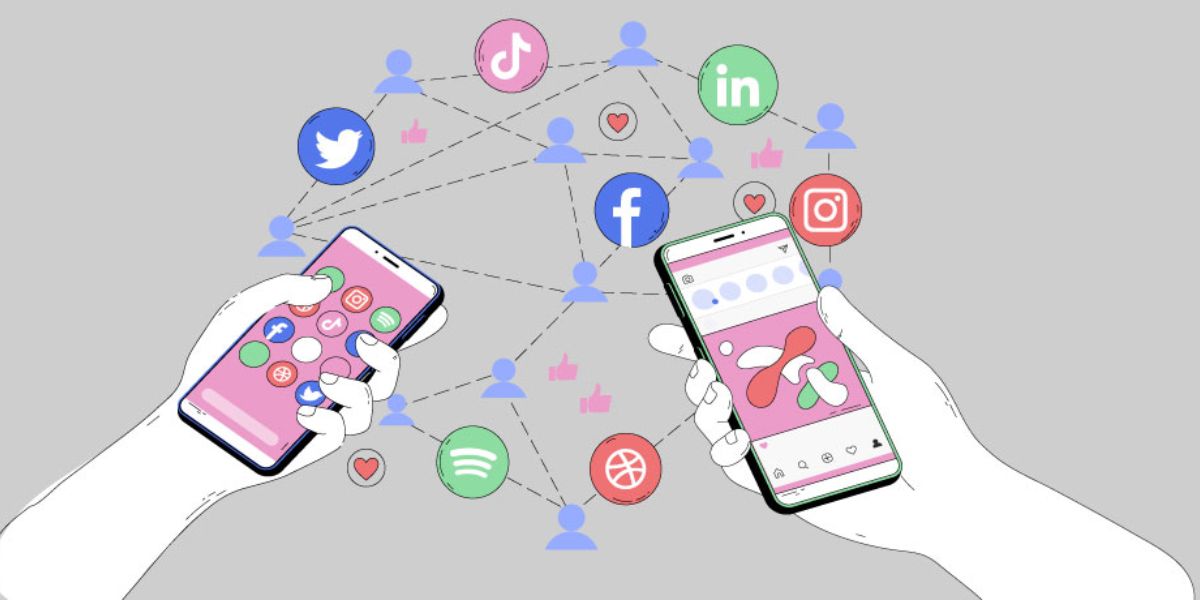
Modern disaster recovery efforts rely heavily on technology to connect volunteers with opportunities. Apps like VolunteerMatch and government-run platforms such as FEMA’s Disaster Volunteer Portal allow residents to register, train, and mobilize quickly during crises. Social media also plays an important role in spreading information, recruiting volunteers, and raising donations in real-time.
By using these tools, cities can create organized, data-driven volunteer systems that are ready to act at a moment’s notice. Technology ensures no willing helper is left idle when their community needs them most.
The Moral Imperative: Why Volunteering Matters Now More Than Ever
Disaster recovery is not only about rebuilding homes—it’s about restoring hope. Volunteers embody the compassion and unity that define America’s resilience. Whether they’re handing out meals, clearing roads, or providing emotional support, their actions remind us that humanity is strongest in times of hardship.
In an era of increasing disasters, cities can no longer rely solely on official responders. Investing in volunteer infrastructure is not optional—it’s essential. Volunteers are the backbone of community recovery, ensuring no one is left behind when tragedy strikes.
Conclusion: Preparing Every U.S. City for Tomorrow’s Challenges
Every U.S. city has a responsibility to prepare its citizens for disaster response. Building trained, equipped, and connected volunteer networks ensures faster recovery, stronger communities, and a more resilient nation. By empowering volunteers today, cities lay the groundwork for a safer tomorrow.
Want to learn how your community can get involved in disaster recovery efforts? Visit PKCM.org to explore volunteer opportunities and programs that make a difference in times of crisis. Together, we can build stronger, more resilient cities.