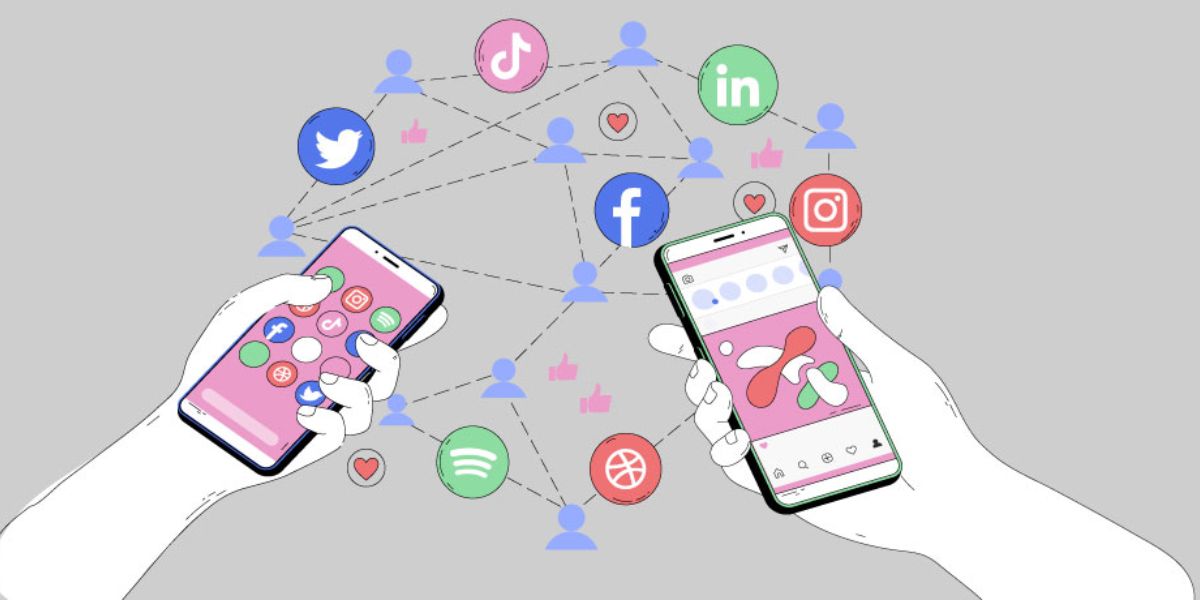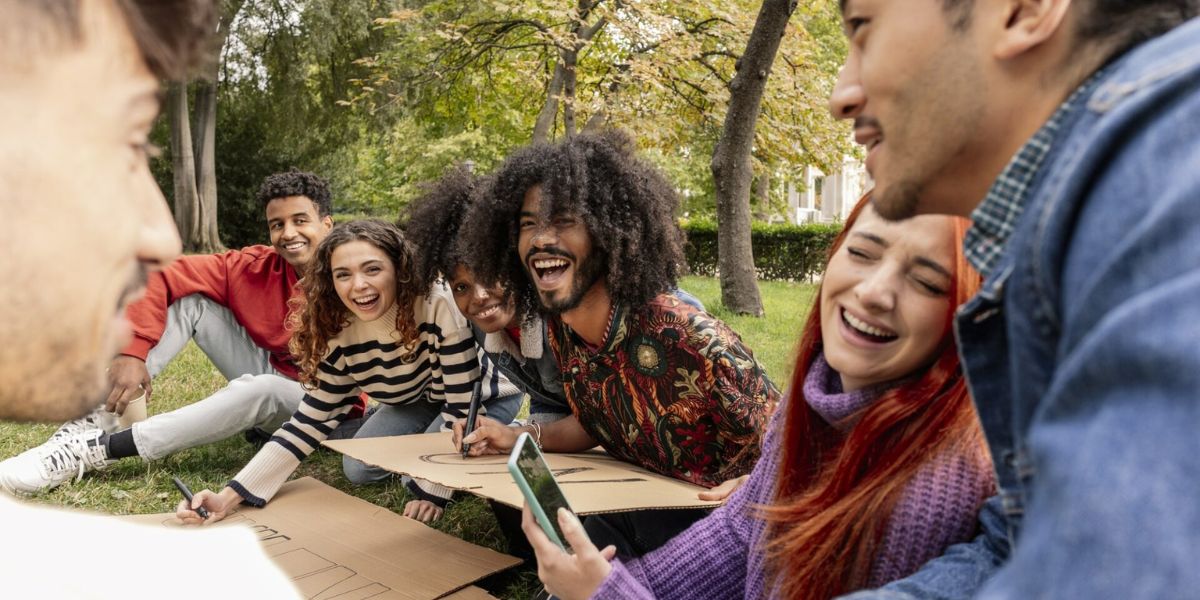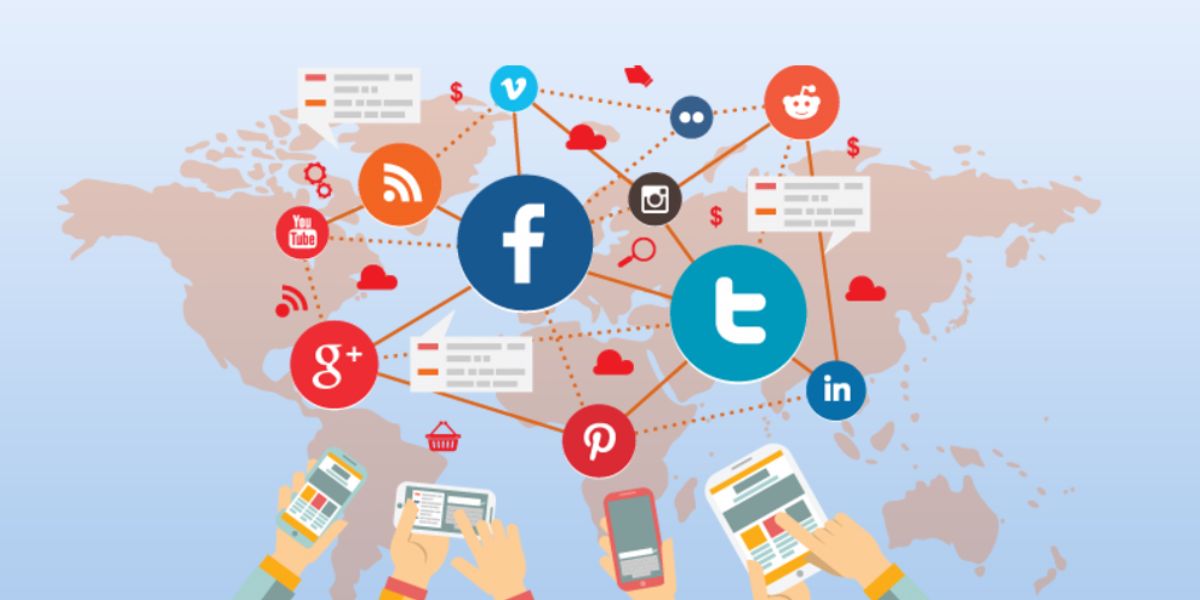
Social media has revolutionized the way people communicate, organize, and engage with their communities. In recent years, its role in promoting community growth across America has become increasingly significant. From grassroots movements to supporting local businesses, social media platforms provide powerful tools for fostering social change and connecting diverse groups. This article explores how social media has influenced community development across the U.S. and the key lessons learned from its use in promoting community growth.
1. Connecting Local Communities in Real-Time
Social media has made it possible for people to connect with one another in real-time, regardless of physical location. Platforms like Facebook, Twitter, and Instagram allow residents to engage with their communities, share information, and coordinate local events and initiatives.
Table of Contents
For example, during the COVID-19 pandemic, many local neighborhoods across America utilized Facebook groups and neighborhood apps like Nextdoor to keep residents informed about health guidelines, volunteer opportunities, and emergency resources. Social media helped strengthen local networks by keeping people connected during a time of physical isolation. The lesson here is that social media can serve as a vital tool in connecting communities and facilitating communication, especially in times of crisis.
2. Empowering Grassroots Movements
Social media has played a pivotal role in empowering grassroots movements, particularly in the areas of social justice and political activism. Platforms like Twitter and Instagram have become powerful tools for organizing protests, spreading awareness, and mobilizing support for various causes.
In cities like Ferguson, MO, social media played a central role in the Black Lives Matter movement, where activists used Twitter to organize rallies and share crucial information about ongoing events. Social media’s ability to rapidly spread information and engage a wide audience has made it an indispensable tool for community-driven social movements. The key takeaway is that social media can amplify the voices of marginalized groups, helping them gain visibility and support for important causes.
3. Supporting Local Businesses and Economic Growth
One of the most significant ways social media promotes community growth is by supporting local businesses. Platforms like Instagram, Facebook, and Yelp allow small business owners to connect with their customers, showcase their products or services, and engage with their community in a meaningful way.
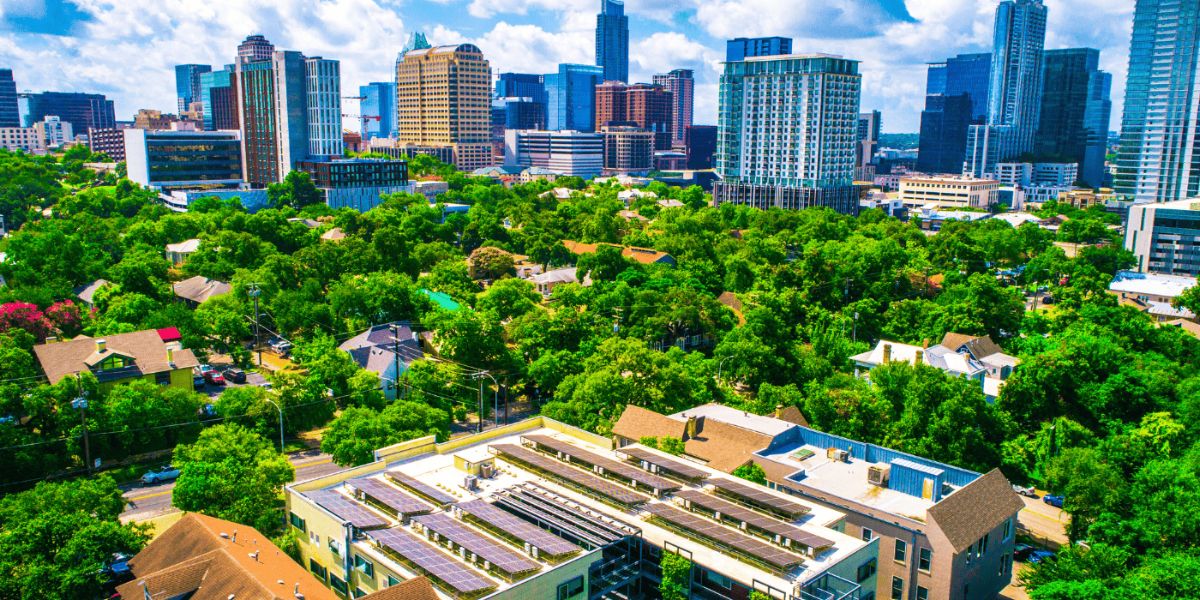
Local businesses in cities such as Austin, TX, have benefited from social media-driven campaigns that encourage residents to shop locally. Social media platforms also help businesses promote special events, sales, or new products, reaching a broad audience with minimal investment. The lesson here is that social media can serve as an affordable and effective marketing tool that promotes local economic growth and community engagement.
4. Building Community Resilience and Support Networks
Social media has proven invaluable in creating and strengthening support networks within communities. During natural disasters, social media platforms like Twitter, Facebook, and TikTok have allowed communities to share real-time updates on evacuation routes, emergency shelters, and local volunteer efforts.
For instance, during Hurricane Katrina, social media platforms became a crucial tool for residents to share critical information about relief efforts, safety tips, and where to find food and supplies. In cities like New Orleans, social media helped to coordinate grassroots recovery efforts and kept residents connected. The lesson is clear: social media can play a critical role in fostering resilience, ensuring that communities can quickly adapt to and recover from emergencies.
5. Raising Awareness for Social Causes and Local Initiatives
Another powerful way social media contributes to community growth is by raising awareness for local issues and social causes. Platforms like Change.org and Facebook allow individuals to start petitions, advocate for policy changes, and engage in community discussions about important issues.
In U.S. cities such as San Francisco, social media has been used to raise awareness about affordable housing crises, environmental sustainability, and racial inequality. These platforms provide a space for community members to collectively advocate for solutions and gather support for local initiatives. The lesson here is that social media can be an effective tool for community members to raise their voices on critical issues and advocate for positive change.
6. Facilitating Community-Based Education and Collaboration
Social media has also become a hub for community-based education, where residents share knowledge, resources, and tools to help improve their neighborhoods. Platforms like YouTube, LinkedIn, and Twitter are used by community leaders, organizations, and educators to provide valuable content that addresses local challenges, from sustainable living to mental health.
In cities like Seattle, organizations use social media to host online workshops, webinars, and forums that allow residents to learn about key topics affecting their communities. The lesson here is that social media can foster collaboration and knowledge-sharing, ultimately empowering individuals and groups to work together toward shared goals.
7. Celebrating Local Culture and Strengthening Identity
Social media has provided communities with a space to celebrate their local culture, traditions, and shared identity. Platforms like Instagram and YouTube allow people to share stories, showcase local events, and preserve cultural practices that define a community’s identity.
In cities like New Orleans, social media has been instrumental in promoting the city’s unique culture, from Mardi Gras celebrations to jazz music festivals. Social media platforms serve as a digital archive of local culture and history, allowing communities to celebrate their diversity and uniqueness. The key takeaway is that social media can help preserve and promote cultural heritage, strengthening a community’s sense of pride and belonging.
Conclusion: The Future of Social Media and Community Growth
As social media continues to evolve, its role in promoting community growth across America will only become more significant. From connecting local residents to empowering grassroots movements, supporting businesses, and raising awareness for social causes, the possibilities are endless.
Moving forward, it’s essential for communities to harness the full potential of social media while being mindful of its challenges, such as misinformation and digital divides. By leveraging the power of social media, U.S. cities can create more connected, resilient, and inclusive communities.
How has social media helped your community grow? Share your experiences in the comments below and explore more community-building resources at PKCM.org.