As U.S. cities continue to expand, the push for sustainable practices has become a vital part of ensuring long-term community growth. From environmental stewardship to economic resilience, sustainability helps communities thrive while preparing for future challenges. Cities that embrace sustainability are not just reducing their carbon footprint—they are creating healthier, stronger, and more inclusive neighborhoods.
Understanding Why Sustainability Matters for Community Growth
Community growth without sustainability often leads to short-term benefits but long-term problems. Issues like rising pollution, lack of affordable housing, urban sprawl, and strained public resources can stunt growth over time. Cities such as San Francisco and Austin have demonstrated that integrating sustainability into planning encourages balanced growth that benefits both current residents and future generations.
Table of Contents
The core lesson is clear: growth that ignores environmental and social responsibility risks harming the very people it is meant to serve. Sustainable practices ensure that growth does not come at the cost of health, equity, and long-term stability.
Environmental Sustainability and Urban Resilience
One of the most important aspects of community growth is protecting the environment. Cities like Portland, OR, have shown that investments in clean energy, green infrastructure, and public transportation reduce pollution and improve overall quality of life.
Green infrastructure in U.S. cities
- Planting more trees reduces heat in urban areas.
- Community gardens provide fresh food and strengthen neighborhoods.
- Renewable energy programs lower utility costs and promote clean air.
These practices also build resilience against climate change, helping cities prepare for rising temperatures, extreme weather, and natural disasters. Communities that prioritize environmental sustainability create healthier, more livable spaces for all.
Economic Sustainability: Jobs and Long-Term Prosperity
Sustainability is not just about protecting nature—it’s also about building strong local economies. Cities like Denver have invested heavily in renewable energy and green building initiatives, creating thousands of jobs in construction, solar installation, and energy efficiency.
How sustainable practices support economic growth
- Green jobs: Expanding employment in renewable energy and eco-friendly industries.
- Local business support: Encouraging farmers’ markets, small businesses, and local supply chains.
- Cost savings: Energy-efficient buildings and public transit reduce long-term city expenses.
By creating opportunities in sustainable industries, cities ensure that economic growth benefits a wide range of residents while reducing reliance on outdated, polluting sectors.
Social Sustainability: Building Inclusive Communities
Sustainability also has a human dimension. Cities like Seattle have incorporated affordable housing policies and inclusive zoning laws to make sure that growth benefits everyone, not just the wealthy.
Key social sustainability strategies
- Affordable housing projects to prevent displacement.
- Accessible public transportation for low-income families.
- Community spaces that promote cultural inclusion and engagement.
By focusing on equity, these cities strengthen community bonds, reduce inequality, and ensure that everyone has access to the benefits of growth.
Technology and Innovation in Sustainable Practices
Technology is driving much of the progress in sustainable community growth. Cities across the U.S. are adopting smart technology to reduce waste, improve energy use, and enhance communication between residents and governments.
Examples include:
- Smart traffic systems that reduce congestion and pollution.
- Energy-efficient public buildings that cut costs and emissions.
- Apps that allow residents to participate in sustainability initiatives, such as recycling programs.
When combined with community engagement, technology becomes a powerful tool for building sustainable and inclusive cities.
Celebrating Success Stories: U.S. Cities Leading the Way
Several cities are setting national examples in sustainability:
- San Francisco: Zero waste goals and extensive recycling programs.
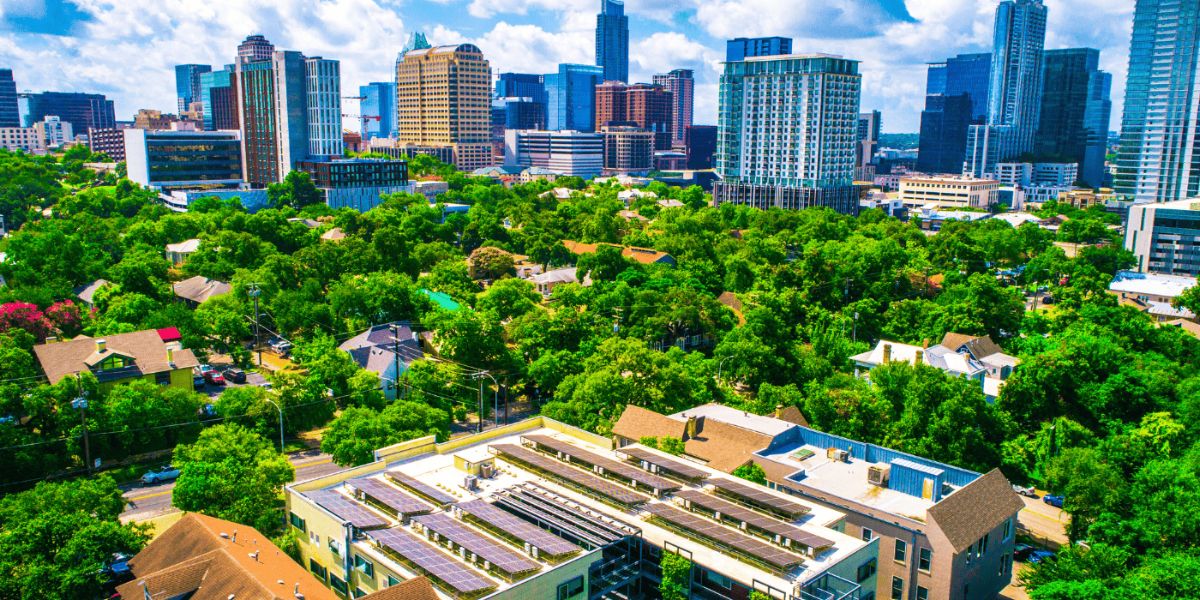
- Austin, Texas: Investment in renewable energy and community solar projects.
- Portland, Oregon: Comprehensive public transit and walkable neighborhoods.
- New York City: Green building codes and large-scale urban farming initiatives.
These cities highlight how sustainability and community growth go hand-in-hand, showing that policies and practices rooted in long-term thinking can transform urban life.
Moving Toward a Sustainable Future for All U.S. Communities
The importance of sustainable practices for community growth cannot be overstated. By protecting the environment, fostering economic opportunities, and ensuring social equity, cities can create inclusive and thriving communities for generations to come.
The lesson is simple: sustainable practices are not optional—they are essential for healthy, resilient, and prosperous urban growth in the United States.
Want to learn more about how sustainability drives stronger communities? Visit PKCM.org for resources, ideas, and opportunities to get involved in building a sustainable future where community growth benefits everyone.