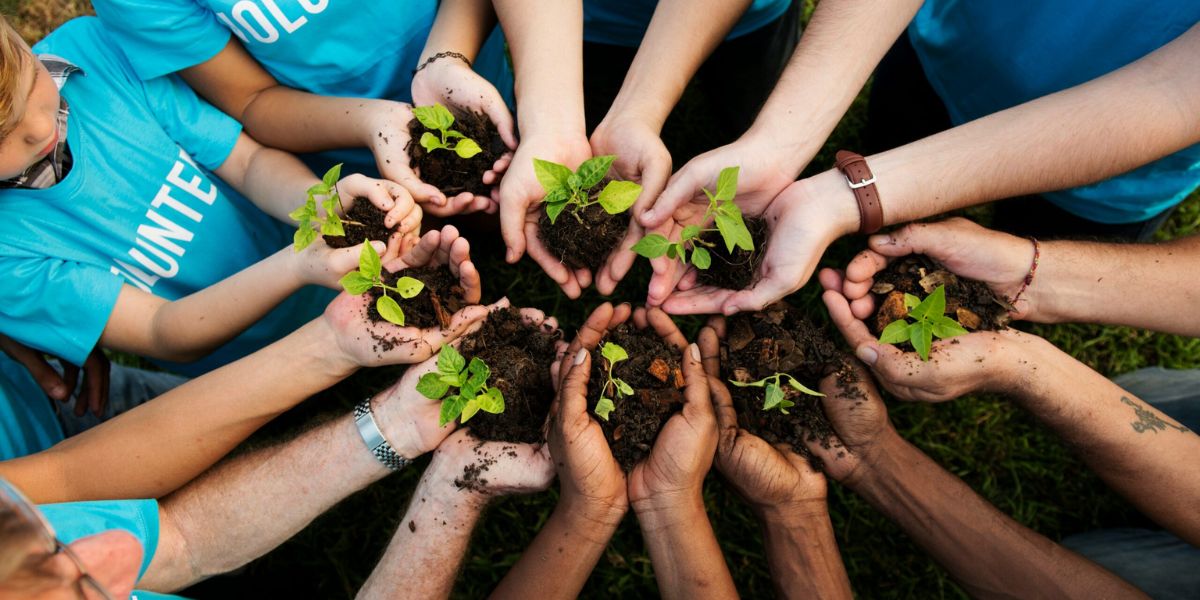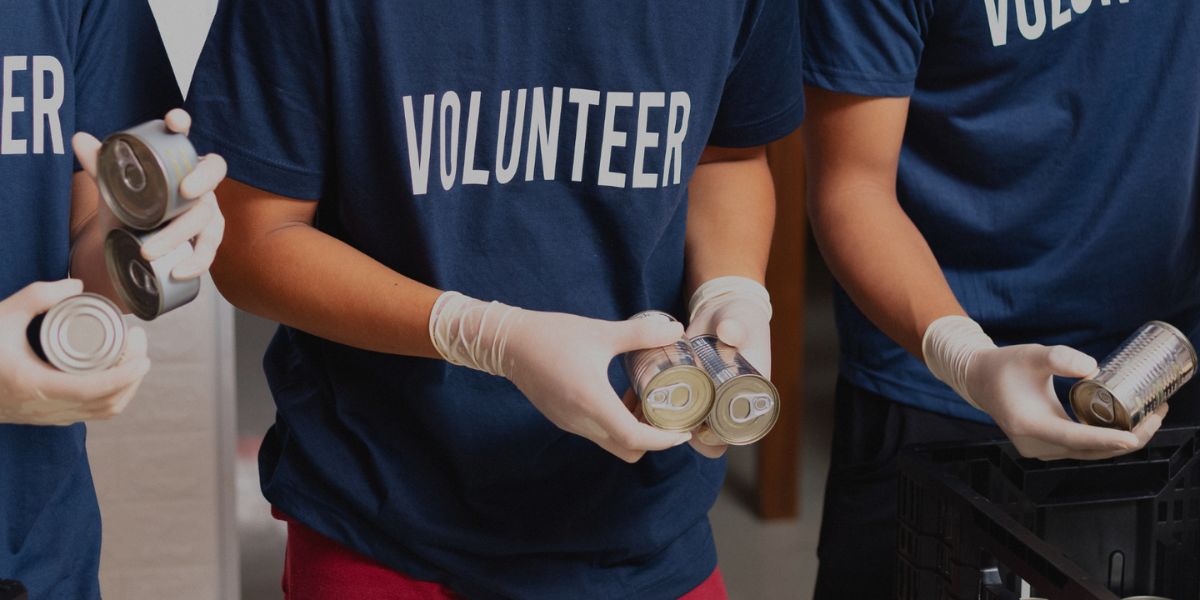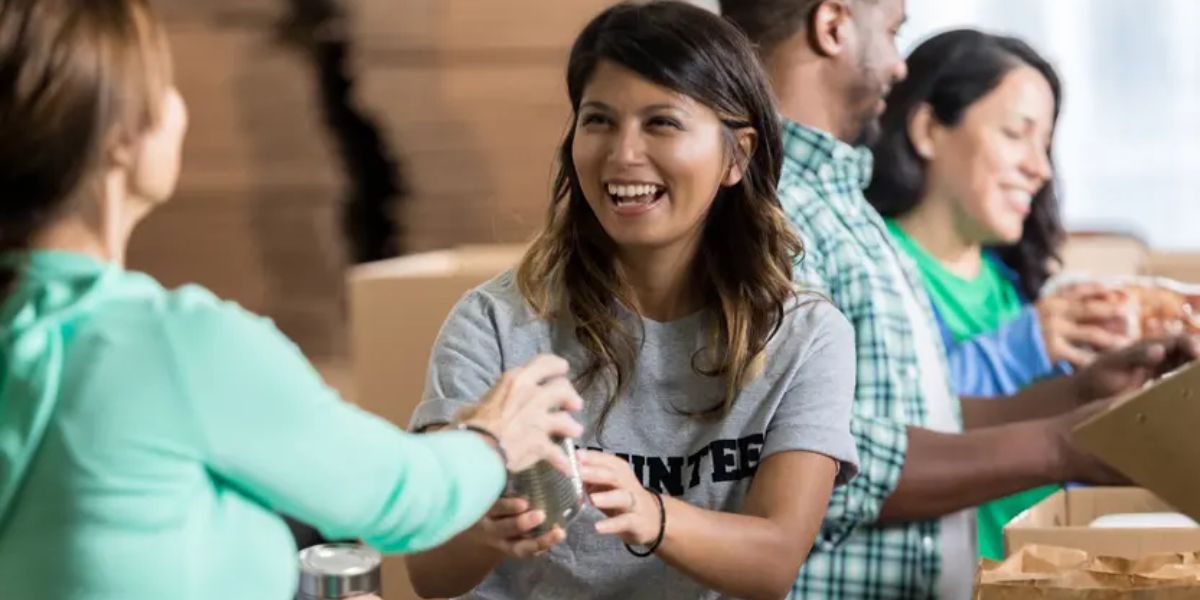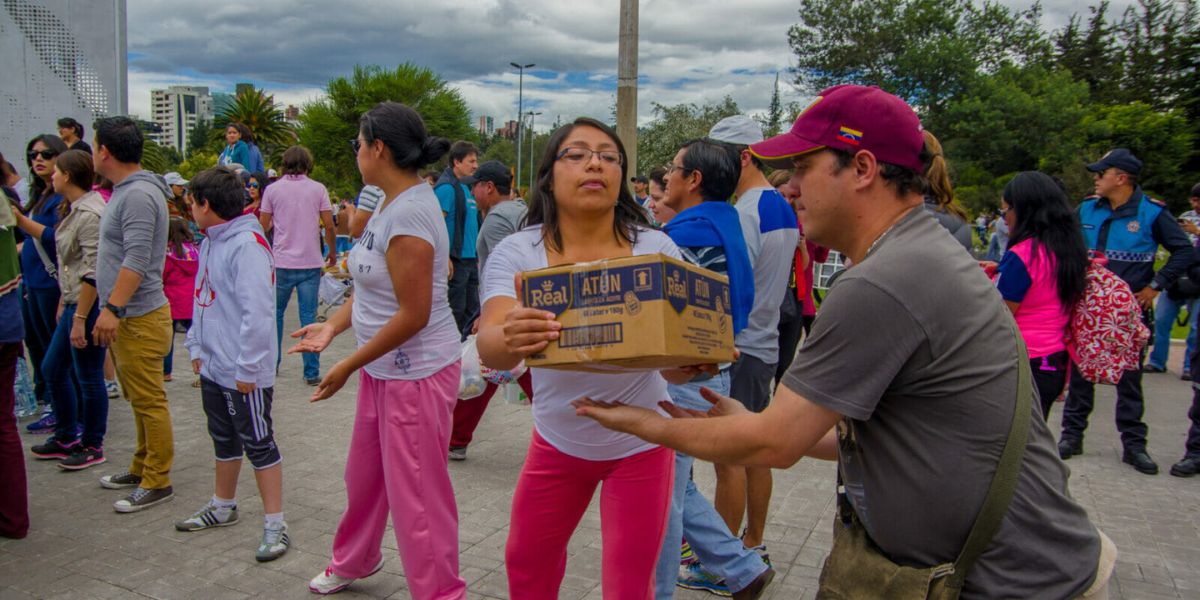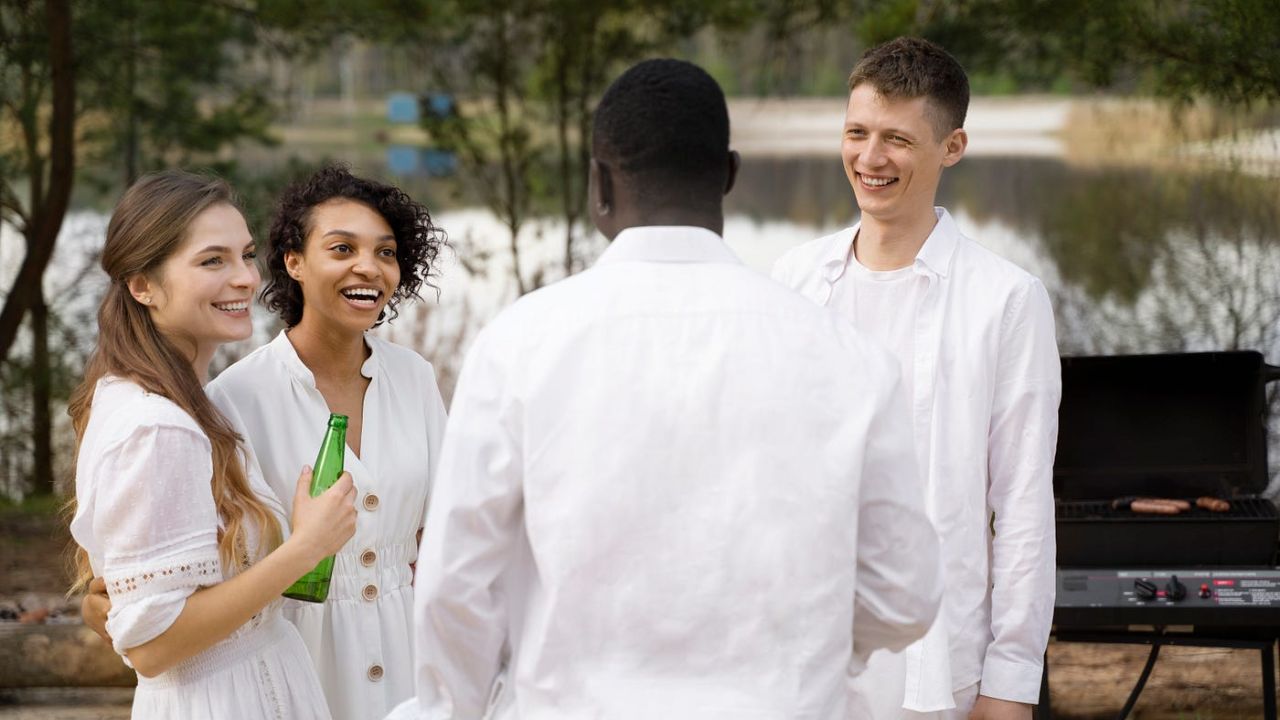
Across the United States, community-based volunteering has become a powerful force for connection, resilience, and local problem-solving. From neighbourhood clean-up drives to food distribution networks and youth mentoring programmes, volunteers are filling critical gaps at a time when many families, schools and local agencies face resource shortages. In a period marked by social change, rising living costs, and increasing pressure on public services, community volunteering is not just helpful — it is vital for the nation’s wellbeing.
Growing Need for Local Support in U.S. Communities
In recent years, local communities have experienced significant shifts in day-to-day needs. Many neighbourhoods are managing increased food insecurity, housing instability, and reduced access to public services. Volunteer-led efforts have stepped in by organising meal programmes, free tutoring, transportation help for seniors, community gardens, and emergency relief networks. These initiatives often operate faster and more flexibly than large institutions, making them essential for immediate local impact.
Table of Contents
How Volunteering Helps Strengthen Social Bonds
Volunteering does more than solve practical problems — it helps rebuild the social fabric. People who volunteer often report a deeper sense of belonging, shared purpose, and trust in their neighbours. When residents of different backgrounds collaborate on community projects, it reduces isolation and encourages understanding across age groups, cultures, and income levels. Many cities have found that volunteer-led programmes support safer streets, healthier families, and stronger neighbourhood relationships.
The Rise of Youth and Student Volunteers
A major shift has been the growing involvement of younger Americans. High school and college students have become increasingly active in tutoring programmes, voter registration drives, environmental projects, and digital literacy workshops. Many schools now encourage service-learning, blending volunteering with classroom education. This early engagement helps young people develop leadership, problem-solving ability, and civic responsibility, creating long-term positive effects for both the volunteers and their communities.
Volunteer Efforts Supporting Crisis Response
When emergencies occur — whether natural disasters, wildfires, major storms, or public health challenges — volunteers often become the first source of practical help. Community groups organise evacuation support, distribute supplies, check on vulnerable residents, and provide temporary shelters. These efforts work alongside official agencies, but volunteers bring speed, flexibility, and a deep understanding of local needs. This collaboration makes community preparedness more effective and saves lives during crises.
The Role of Faith-Based and Grassroots Organisations
Across the country, faith-based groups, neighbourhood associations, and grassroots nonprofits remain at the heart of volunteer activity. Churches, mosques, synagogues, and community centres regularly organise clothing drives, meal services, refugee support, and youth programmes. Their long-standing community presence allows them to mobilise people quickly and maintain steady assistance year-round. Grassroots groups, meanwhile, bring lived experience and local knowledge, ensuring projects are culturally relevant and accessible.
Why Employers Are Encouraging Volunteering
Many U.S. companies have recognised that community involvement boosts employee morale, improves teamwork, and strengthens corporate responsibility. As a result, more employers now offer paid volunteer days, encourage team participation in community events, or partner with nonprofits on long-term initiatives. These programmes help employees build skills, deepen their connection to the community, and contribute to a more compassionate workplace culture.
How Volunteering Builds Personal Growth and Confidence
While the benefits to communities are clear, volunteering also helps individuals grow on a personal level. People who volunteer often find improved communication skills, stronger resilience, and increased confidence. Taking part in community projects provides opportunities to learn new abilities — from organising events to offering peer support — and builds a sense of fulfilment that comes from helping others.
Making Volunteering More Accessible
To keep volunteer momentum strong, organisations across the U.S. are focusing on making opportunities easier to access. Many groups now offer online sign-ups, short-term commitments, remote volunteering roles, and family-friendly projects. This flexibility allows people with busy schedules, work commitments, or mobility challenges to still participate meaningfully.
Conclusion
Volunteering in the United States has evolved into a cornerstone of community resilience. It strengthens neighbourhoods, supports vulnerable families, boosts civic engagement, and builds lasting bonds among residents. As communities continue to face social and economic challenges, volunteer action remains one of the most powerful tools to create positive and lasting change.
What do you think of this? Share your thoughts in the comments below.