Across the United States, group support programs play an essential role in helping individuals overcome personal challenges, improve mental health, and build connections. Whether it’s a recovery group, parenting circle, or mental health support network, people now have two primary ways to connect—online and in-person. Both have their advantages and drawbacks, but which one truly works best for American communities? Let’s explore how each format supports well-being and how communities are blending both for maximum impact.
The Growing Popularity of Online Group Support in the U.S.
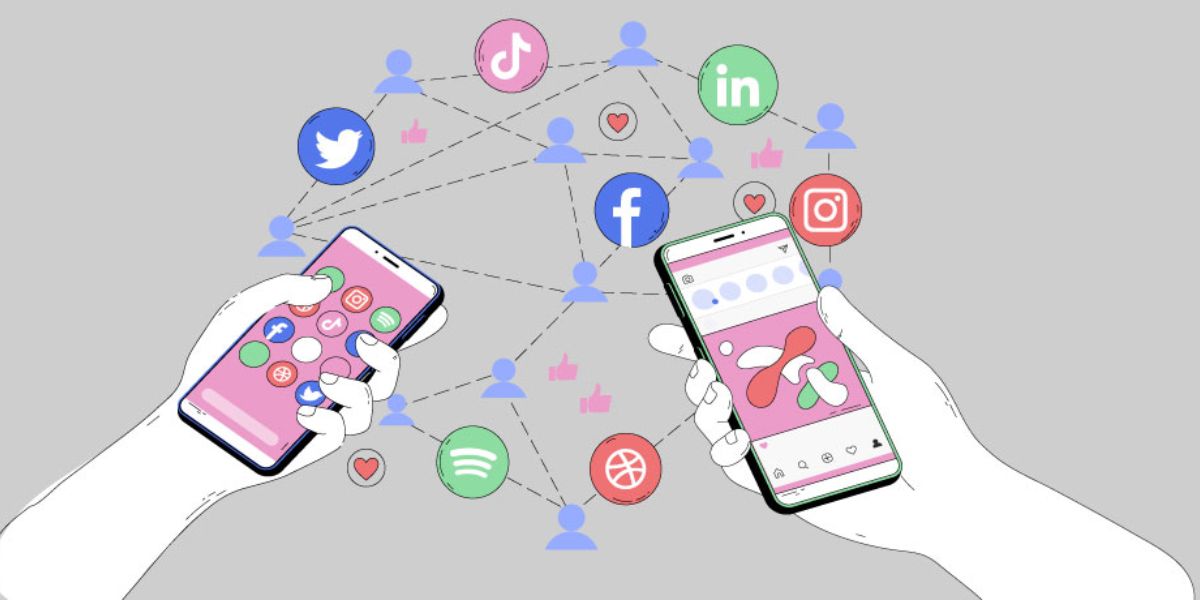
In recent years, online support groups have become increasingly popular due to their accessibility and flexibility. Especially during and after the pandemic, virtual platforms like Zoom, Facebook Groups, and specialized mental health apps saw an enormous rise in participation.
Table of Contents
Online groups allow members to join sessions from anywhere, breaking down barriers such as distance, transportation issues, or physical limitations. For people in rural areas or those who feel anxious about attending meetings in person, digital spaces offer a safe entry point for connection.
According to Mental Health America, online support participation increased by over 40% between 2020 and 2024. The convenience of logging in from home and the anonymity provided by online platforms have made digital support groups an appealing option for many.
However, while online groups offer accessibility, they can also lack the depth of personal connection that face-to-face interactions provide. Participants may struggle to build trust or feel emotionally distant due to limited non-verbal communication.
The Emotional Impact of In-Person Group Support
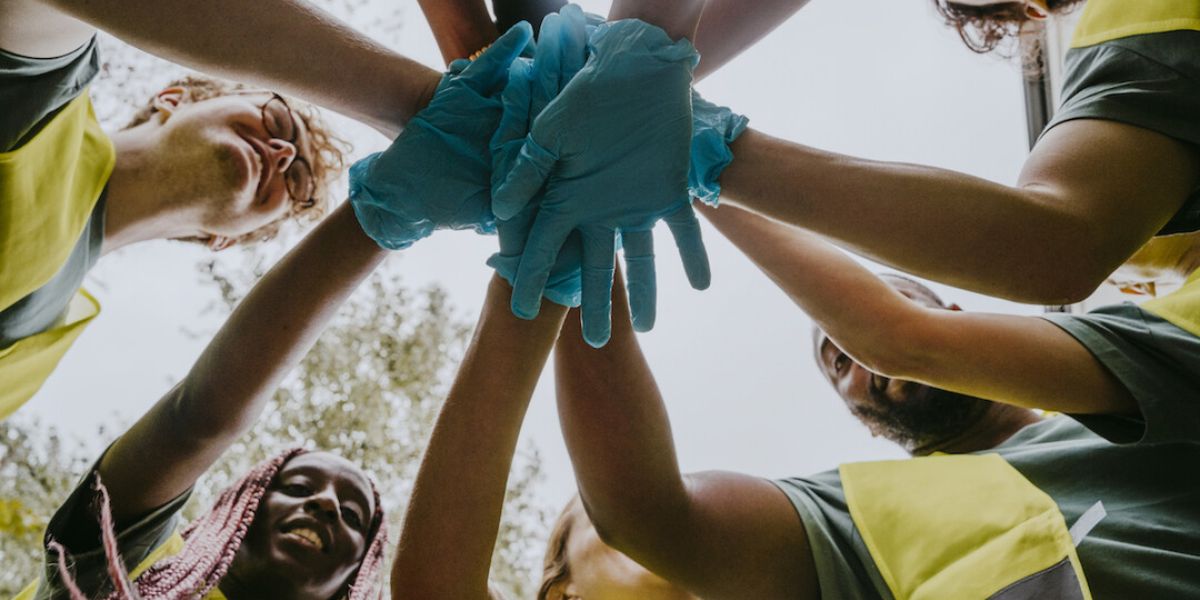
In-person group support remains the traditional and often more emotionally engaging format. Meeting physically allows members to share energy, body language, and empathy in ways that virtual platforms cannot fully replicate.
For instance, organizations like Alcoholics Anonymous (AA) and NAMI (National Alliance on Mental Illness) continue to host thousands of in-person meetings nationwide because participants value the sense of belonging that comes from physical presence.
When people gather in a shared space, they often report feeling more accountable, supported, and grounded in their recovery or self-improvement journey. Small gestures—a reassuring nod, a hug, or shared laughter—often make a profound difference that digital settings can’t replace.
Still, in-person meetings come with challenges such as scheduling conflicts, transportation barriers, and accessibility issues, particularly for those with disabilities or childcare responsibilities.
How Hybrid Models Are Bridging the Gap
Recognizing the strengths and weaknesses of both formats, many U.S. support organizations are now adopting hybrid models. These allow participants to choose between attending in-person sessions or joining virtually from home.
For example, the Depression and Bipolar Support Alliance (DBSA) and SMART Recovery have embraced hybrid formats, offering the flexibility to meet individual needs. This inclusive approach ensures that support remains accessible to everyone—whether they prefer human connection or digital convenience.
Hybrid models have shown particularly strong success in the U.S. because they empower participants to decide what works best for their personal circumstances, balancing empathy with accessibility.
Accessibility and Inclusivity in Group Support
A major lesson from recent years is that inclusivity should guide every group support model. Online groups have opened doors for individuals who were previously excluded—such as those in remote areas, people with chronic illnesses, or parents with limited free time.
At the same time, in-person groups often serve as vital safe spaces for those who may lack strong social networks or who benefit from physical presence. Inclusivity means recognizing that no single model fits everyone.
The most successful programs in the U.S. are those that actively listen to community needs and adapt their format accordingly—whether that means adding language interpretation, sensory-friendly environments, or digital accessibility features.
The Psychological Differences: Connection vs. Convenience
Psychologists note that online support groups often emphasize convenience, while in-person groups focus on connection. Online meetings provide privacy and flexibility, appealing to people in early recovery or those uncomfortable sharing personal struggles publicly.
Conversely, in-person meetings cultivate trust and accountability over time. Studies from the American Psychological Association show that participants in physical meetings tend to report stronger feelings of empathy and reduced loneliness compared to those who attend only virtually.
The takeaway is that both serve different psychological needs—online for accessibility and anonymity, and in-person for emotional depth and social bonding.
Choosing the Right Type of Support for You
The best form of group support depends on an individual’s goals, comfort level, and accessibility. Consider the following before choosing:
- For flexibility: Online groups are ideal for those balancing busy schedules or living in rural areas.
- For personal connection: In-person meetings offer a deeper sense of belonging and shared understanding.
- For ongoing engagement: Hybrid models combine both benefits, ensuring consistent participation.
Community organizations and health networks across the U.S. now recommend trying multiple formats before settling on what feels most effective.
Conclusion: The Future of Group Support in the U.S.
The future of group support in the United States isn’t about choosing one format over another—it’s about integrating both to serve diverse communities. As technology continues to evolve, online spaces will become more immersive, while in-person meetings will remain central for building human connection.
Ultimately, the key lies in flexibility, empathy, and accessibility—ensuring that every person, regardless of circumstance, can find the support they need to heal and grow.
Want to discover more ways to strengthen your community through support and outreach? Visit PKCM.org for inspiring stories, volunteer opportunities, and local resources.