Across the United States, nonprofits have become the driving force behind group support programs that strengthen communities, promote mental wellness, and provide a lifeline for people in need. From neighborhood food drives to national peer-support networks, these organizations have proven that compassion, collaboration, and consistency can create lasting impact. In this article, we’ll explore how nonprofits are leading the charge in building group support systems that are transforming lives across the nation.
Understanding the Role of Nonprofits in Group Support
Nonprofits have long been at the heart of America’s social support network. Unlike government programs that often face bureaucratic delays or funding restrictions, nonprofits are agile and deeply connected to their communities. They are uniquely positioned to identify needs quickly and design group-based programs that offer emotional, social, and practical support.
Table of Contents
These organizations often target areas where traditional systems fall short—such as addiction recovery, homelessness, domestic abuse, or mental health struggles. By forming support groups, nonprofits give individuals a safe space to share experiences, learn from others, and rebuild confidence. This community-based approach not only addresses immediate needs but also fosters resilience and hope.
How Group Support Programs Empower Individuals
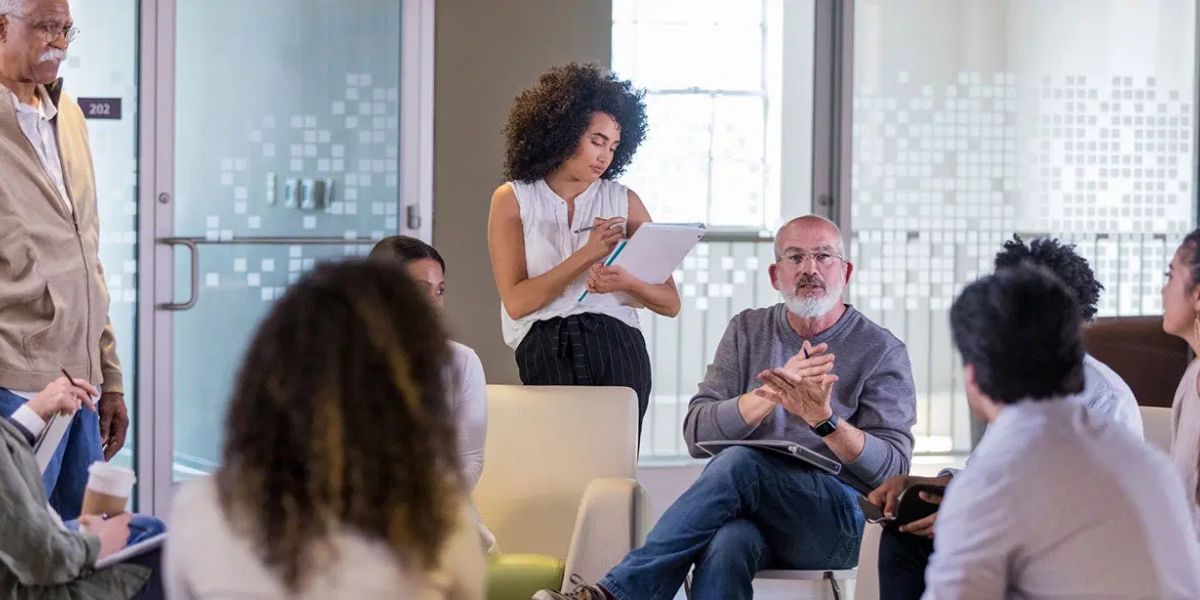
Group support programs go beyond charity—they empower. Whether it’s a grief support group, a substance use recovery circle, or a parenting workshop, these gatherings create a sense of belonging and mutual understanding. Participants realize they’re not alone in their struggles, which can significantly improve mental well-being.
For instance, organizations like Mental Health America and NAMI (National Alliance on Mental Illness) have built national frameworks that connect people dealing with anxiety, depression, and trauma. Their programs provide free resources, peer counseling, and training to help individuals support one another effectively.
The lesson here is that support grows stronger in community. Nonprofits have demonstrated that when people come together to share their stories, healing happens faster, and long-term recovery becomes possible.
Innovative Approaches by U.S. Nonprofits
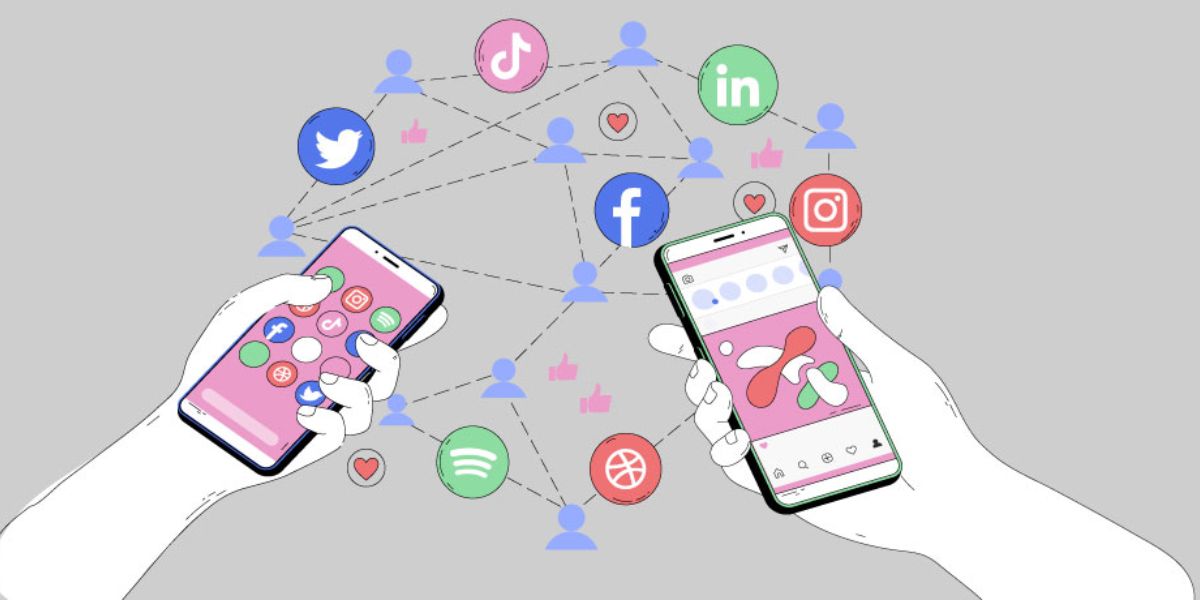
Nonprofits across the U.S. are constantly innovating their approach to group support. Many have integrated digital platforms to reach broader audiences. For example, the American Red Cross uses online sessions to connect disaster survivors for emotional recovery, while smaller local organizations use apps and chat groups to maintain daily contact with participants.
Another major innovation is the combination of professional and peer support. This hybrid model, used by nonprofits like To Write Love on Her Arms and Alcoholics Anonymous, blends trained facilitators with lived-experience mentors. This not only adds credibility but ensures empathy is central to the process.
The trend of trauma-informed care has also influenced nonprofit programming. Instead of viewing participants as “clients,” these organizations recognize them as individuals with valuable experiences and strengths. This approach helps participants feel respected, safe, and empowered.
Collaboration Between Nonprofits and Local Communities
One of the most effective strategies driving nonprofit success is community collaboration. Local partnerships with schools, faith-based groups, and healthcare centers help extend the reach of group support programs. Cities like Seattle, Austin, and Detroit have seen nonprofits work closely with local authorities to create community hubs offering education, counseling, and support sessions.
This collaboration builds trust within neighborhoods, especially in underserved areas where residents may hesitate to seek help from government agencies. It also ensures that support programs reflect the unique cultural and social needs of the community they serve.
Funding and Sustainability Challenges
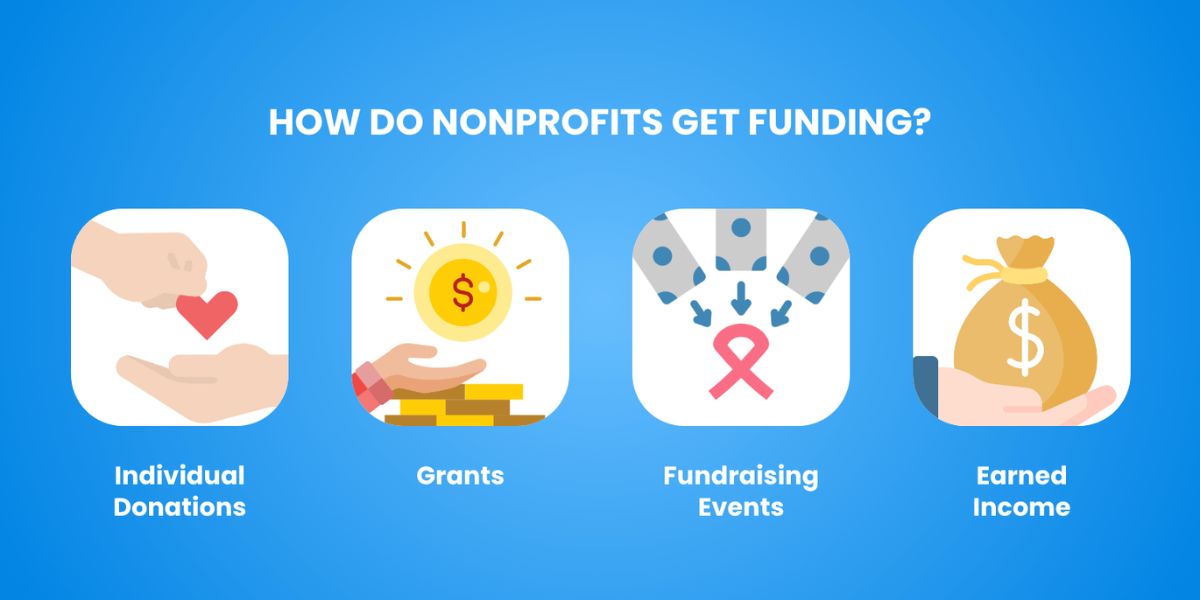
While nonprofits have made tremendous strides, sustaining these group support programs is not without challenges. Funding remains a significant concern, especially for small and mid-sized organizations. Many rely heavily on grants, donations, and volunteer work, which can fluctuate with the economy.
To maintain long-term impact, nonprofits are increasingly adopting hybrid funding models—combining traditional fundraising with social enterprise initiatives and public-private partnerships. This allows them to continue offering free or affordable group support services while maintaining financial stability. The takeaway: sustainability is crucial for continued community support.
The Measurable Impact of Group Support Programs
The results of nonprofit-led group support initiatives are tangible. Studies have shown that participants in peer-support programs experience reduced stress, improved emotional regulation, and a stronger sense of purpose. For instance, Recovery Café Network in Washington reports that over 75% of members maintain sobriety and employment after joining their peer-led programs.
Moreover, communities with active nonprofit engagement often see lower crime rates, higher civic participation, and better overall well-being. These outcomes highlight that group support is not just about helping individuals—it’s about strengthening society as a whole.
Conclusion: Nonprofits as the Heartbeat of Community Care
The success of group support programs across the United States underscores the essential role of nonprofits in modern community care. Through innovation, collaboration, and empathy, they’ve redefined what it means to support one another. Their work bridges gaps, builds trust, and restores hope—showing that when people unite for a common purpose, change is not only possible but inevitable.
Nonprofits have proven that sustainable community support starts with compassion, powered by action. As more Americans face social and mental health challenges, these organizations will continue to stand at the forefront—guiding, supporting, and empowering communities nationwide.
Want to learn how your organization or church group can start a local support initiative? Explore more insights and resources at PKCM.org.