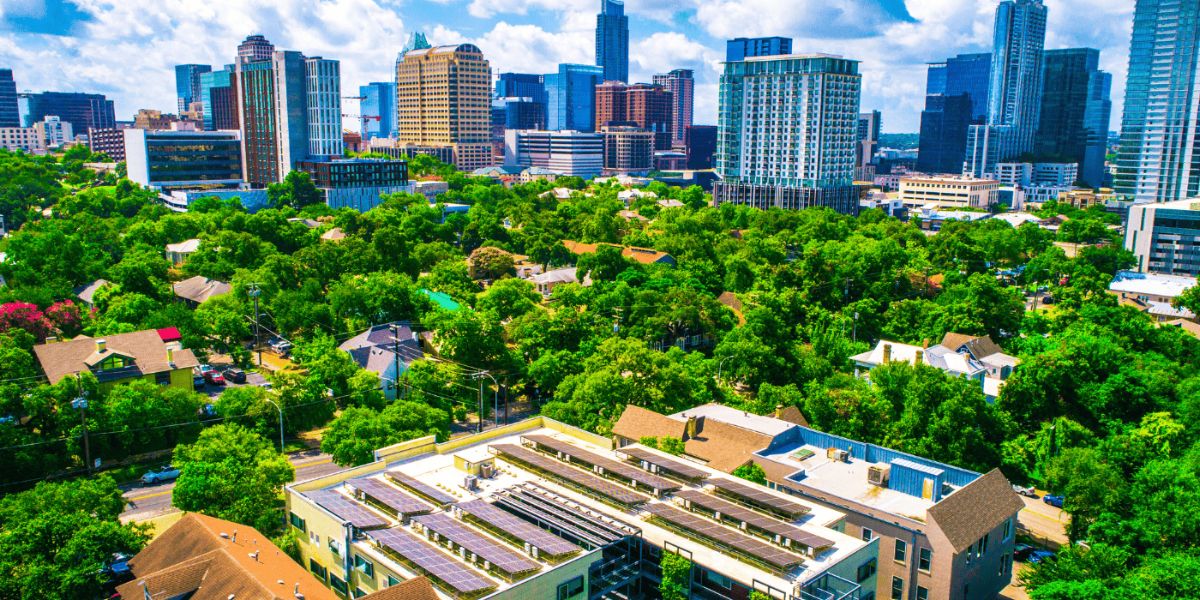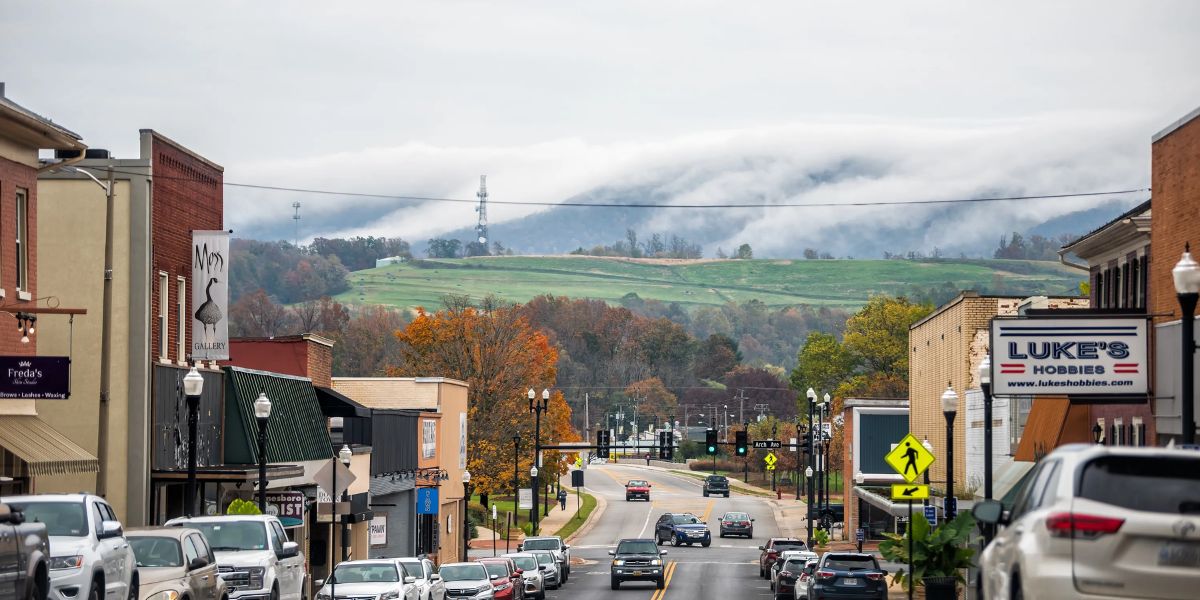
The United States is home to both bustling urban centers and sprawling rural areas, each with its own set of challenges and opportunities when it comes to community growth. While urban areas benefit from economic diversity, infrastructure, and access to resources, rural communities often face unique hurdles such as population decline, limited access to healthcare, and fewer economic opportunities. This article explores the key differences in community growth between urban and rural areas and the distinct challenges and opportunities each faces in fostering development.
Understanding the Key Differences Between Urban and Rural Communities
Urban and rural communities differ significantly in terms of demographics, resources, and access to services. Urban areas, often characterized by higher population densities and more robust infrastructure, tend to have better access to healthcare, education, and job opportunities. Conversely, rural communities typically feature fewer services and face challenges such as limited public transportation, lower availability of healthcare providers, and a shrinking population base.
Table of Contents
However, rural areas offer a closer-knit community environment, often fostering stronger interpersonal relationships and a slower pace of life. Despite their differences, both urban and rural communities share the common goal of sustainable growth, but the strategies to achieve it vary significantly based on local needs and resources.
Challenges in Urban Community Growth
Urban areas face a variety of challenges as they grow and evolve. One of the primary issues is overpopulation. As more people flock to cities in search of job opportunities and better living standards, urban areas become increasingly congested, putting pressure on housing, public transportation, and essential services.
Another challenge is income inequality. While cities often have a diverse economic landscape, the gap between the rich and the poor is widening. High living costs in cities such as New York, San Francisco, and Los Angeles make it difficult for lower-income residents to find affordable housing, often resulting in displacement and gentrification.
Urban areas also struggle with environmental concerns. As cities expand, they often encroach upon natural habitats, leading to increased pollution, loss of green spaces, and heightened carbon footprints. Addressing these environmental issues while fostering growth is a critical challenge for many urban centers.
Opportunities for Urban Community Growth
Despite the challenges, urban areas offer numerous opportunities for growth. Economic diversity is one of the primary advantages of urban communities. Cities tend to have a range of industries, including finance, technology, healthcare, and entertainment, creating opportunities for workers in various fields.
Moreover, urban areas can benefit from innovation. With their concentration of educational institutions, research centers, and businesses, cities often lead the way in technology, healthcare advancements, and social innovation. Programs focused on smart city technologies are helping cities become more efficient and sustainable, offering solutions for transportation, waste management, and energy conservation.
Cities also have a global connectivity advantage. The infrastructure in urban areas often includes major airports, ports, and high-speed internet, making them hubs for international trade, tourism, and business. These connections open the door for economic opportunities, foreign investment, and cultural exchange.
Challenges in Rural Community Growth
Rural areas, while offering a peaceful lifestyle, face distinct challenges when it comes to growth. Population decline is one of the most significant obstacles. Many young people in rural areas leave in search of better educational and career opportunities in urban centers, leaving behind an aging population. This exodus can result in a shrinking labor force and fewer young families contributing to the local economy.
Another challenge is access to healthcare. Rural areas often have limited healthcare facilities, which can make it difficult for residents to access timely and adequate care. This lack of healthcare access contributes to poorer health outcomes and can make rural communities less attractive to potential residents.
Additionally, infrastructure limitations are a concern in rural areas. Limited access to public transportation, high-speed internet, and modern utilities can hinder economic development and make it more difficult to attract businesses and skilled workers.
Opportunities for Rural Community Growth
While rural communities face challenges, they also have unique opportunities for growth. Affordable living is one of the main attractions of rural areas. With lower housing costs and generally more space, rural communities offer an opportunity for families to live in a way that would be impossible in crowded urban centers. This affordability can attract people looking to escape high living costs in cities.
Rural areas also benefit from natural resources and tourism. Many rural communities are located near scenic landscapes, forests, and national parks, which attract tourists and support the hospitality and outdoor recreation industries. By focusing on sustainable tourism and preserving natural spaces, rural communities can leverage their surroundings to boost local economies.
Moreover, rural areas have a strong potential for agriculture-based development. The rise of agri-tech innovations is helping farmers improve productivity and sustainability, and rural communities can capitalize on this growth. With a focus on local food production, renewable energy, and eco-friendly agriculture, rural areas can thrive in the green economy.
Bridging the Divide: The Importance of Regional Collaboration
Despite the challenges each region faces, urban and rural communities can learn from one another. Urban areas can help foster rural growth by investing in infrastructure such as broadband internet and transportation, which can make rural areas more accessible and connected. In return, rural areas can offer urban centers valuable lessons in community cohesion, sustainability, and the importance of maintaining a slower, more deliberate pace of life.
Both urban and rural areas must focus on inclusive growth, ensuring that all residents, regardless of location, have access to the resources and opportunities they need to succeed. By collaborating on regional development projects, cities and rural communities can bridge the gap and create a more balanced and equitable future for all.
What strategies do you think will work best to balance growth in urban and rural communities? Share your thoughts in the comments below and explore more insights on community development at PKCM.org.