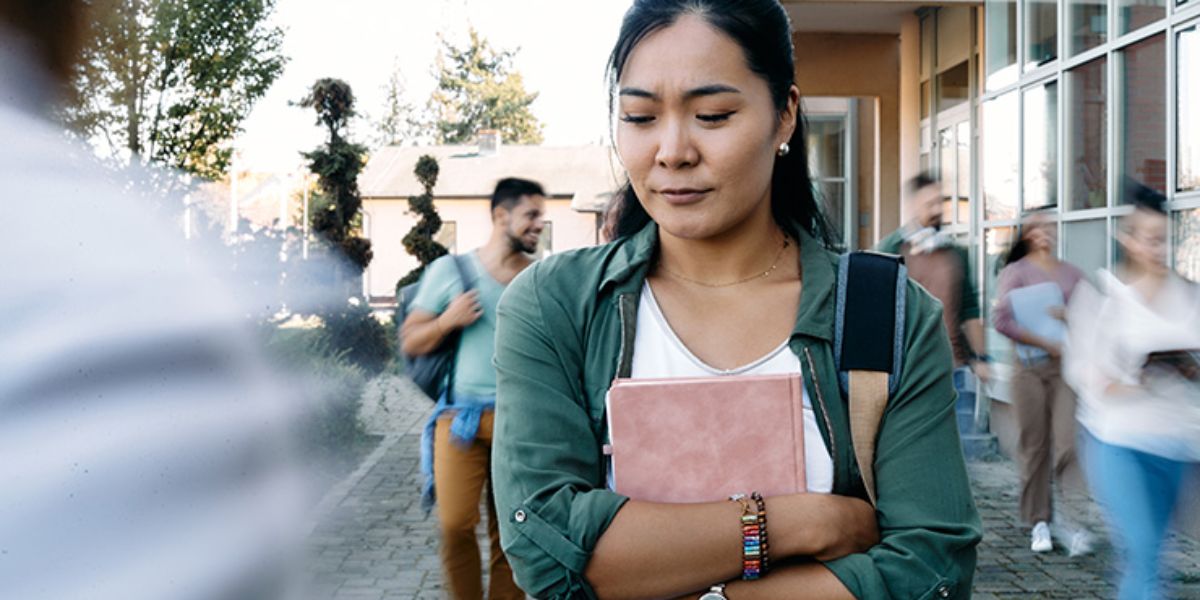
A strong sense of belonging is the foundation of a healthy, thriving community. Across the United States, local neighborhoods and cities are working to create environments where people feel connected, valued, and supported. Whether through volunteerism, inclusive events, or shared goals, fostering belonging strengthens the social fabric and encourages people to contribute meaningfully to their surroundings. Here’s how communities across the U.S. are nurturing that feeling of connection and unity.
Understanding the Value of Belonging in a Community
A sense of belonging goes beyond knowing your neighbors—it’s about feeling accepted and part of something larger. When individuals feel they belong, they are more likely to engage in civic activities, participate in local initiatives, and look out for one another. Studies show that communities with high social cohesion experience lower crime rates, better mental health, and greater economic resilience.
Table of Contents
The U.S., known for its diversity, offers countless examples of neighborhoods that have embraced inclusivity to strengthen social ties. The first step toward belonging begins with intentional community building—recognizing every resident’s voice and value.
Encouraging Inclusive Participation
Inclusion is the cornerstone of belonging. Communities that welcome people from all walks of life—regardless of background, culture, or socioeconomic status—create spaces where everyone feels safe and heard. Cities like Minneapolis and Austin have implemented inclusive neighborhood councils that ensure residents can directly influence decisions affecting their local areas.
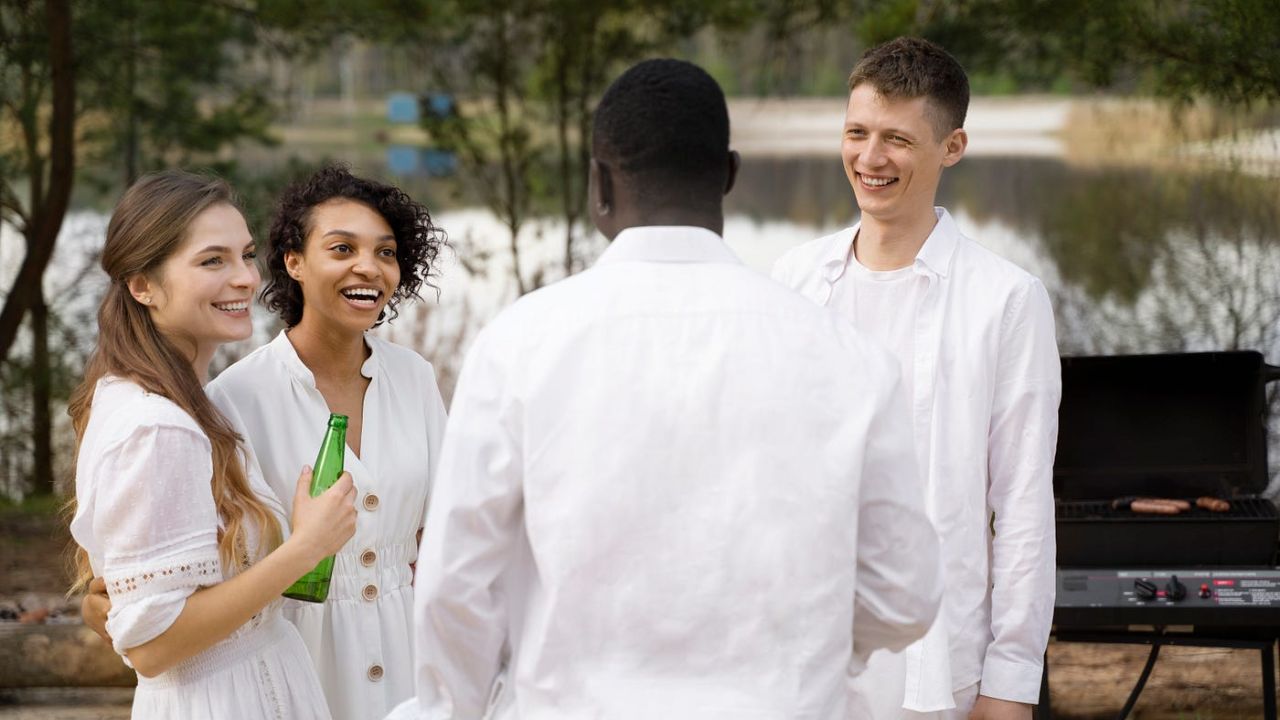
To replicate this on a local level, small steps like inviting diverse speakers to community meetings, hosting cultural potlucks, or celebrating different traditions can make a big impact. Inclusivity helps people see their identity reflected in their community, reinforcing the idea that they truly belong.
Building Social Connections Through Local Events
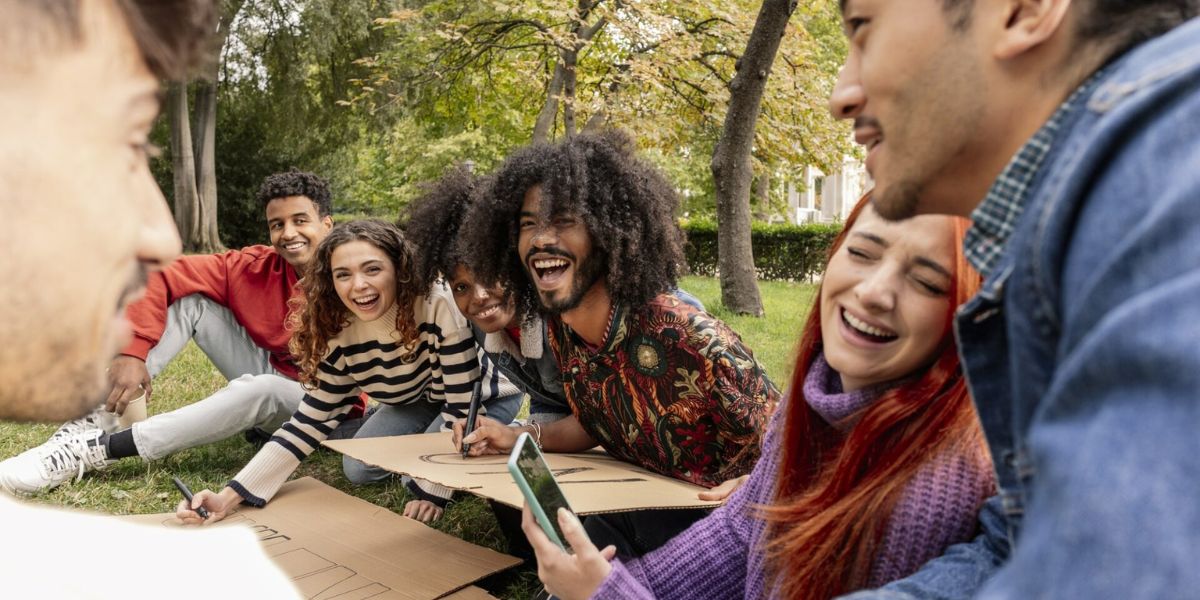
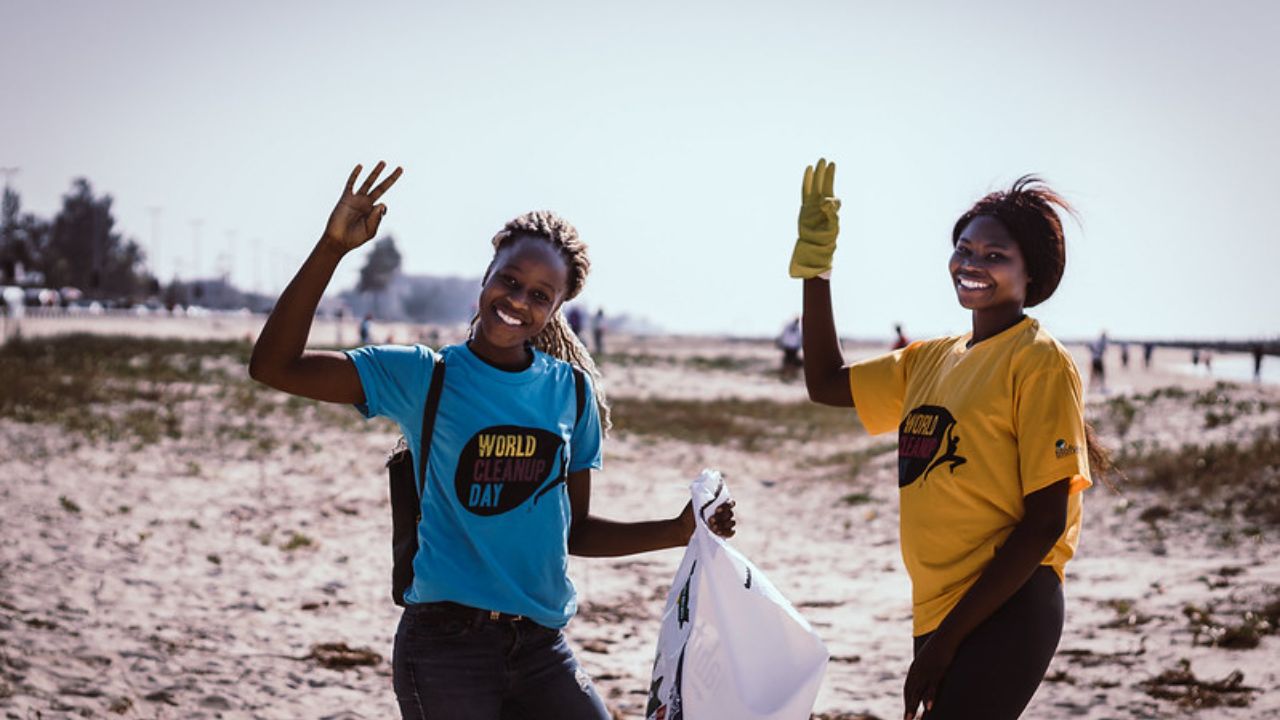
Events are powerful tools for building community connections. From neighborhood cleanups to local art fairs and block parties, shared experiences bring people together. In many U.S. towns, these activities have rekindled relationships between neighbors who might not otherwise interact.
Cities such as Portland, Oregon, and Boulder, Colorado, have seen remarkable success with initiatives like “Neighborhood Night Out” programs, where residents gather annually to share food, music, and stories. These events promote trust, communication, and a lasting sense of unity.
To foster this in your own area, consider organizing monthly meet-ups, community gardening projects, or volunteer days that give residents a common goal to work toward.
Supporting Local Volunteerism
Volunteering is one of the most effective ways to build belonging. When individuals contribute their time to local causes—whether mentoring youth, supporting food banks, or helping with city clean-ups—they not only strengthen their community but also deepen their own sense of purpose.
Organizations like Habitat for Humanity and Feeding America have demonstrated how shared volunteer experiences can bridge differences and unite people under a common cause. On a smaller scale, even local libraries, parks, or shelters can serve as meaningful volunteer hubs for residents looking to make an impact.
Promoting Communication and Open Dialogue
Communication plays a vital role in fostering belonging. Communities that promote open dialogue—through newsletters, social media groups, or town halls—build transparency and trust among residents.
In places like Madison, Wisconsin, neighborhood associations have adopted online platforms that allow residents to discuss issues, share resources, and collaborate on community improvement projects. This two-way communication ensures people feel informed, valued, and connected to decision-making processes.
Investing in Public Spaces and Gathering Areas
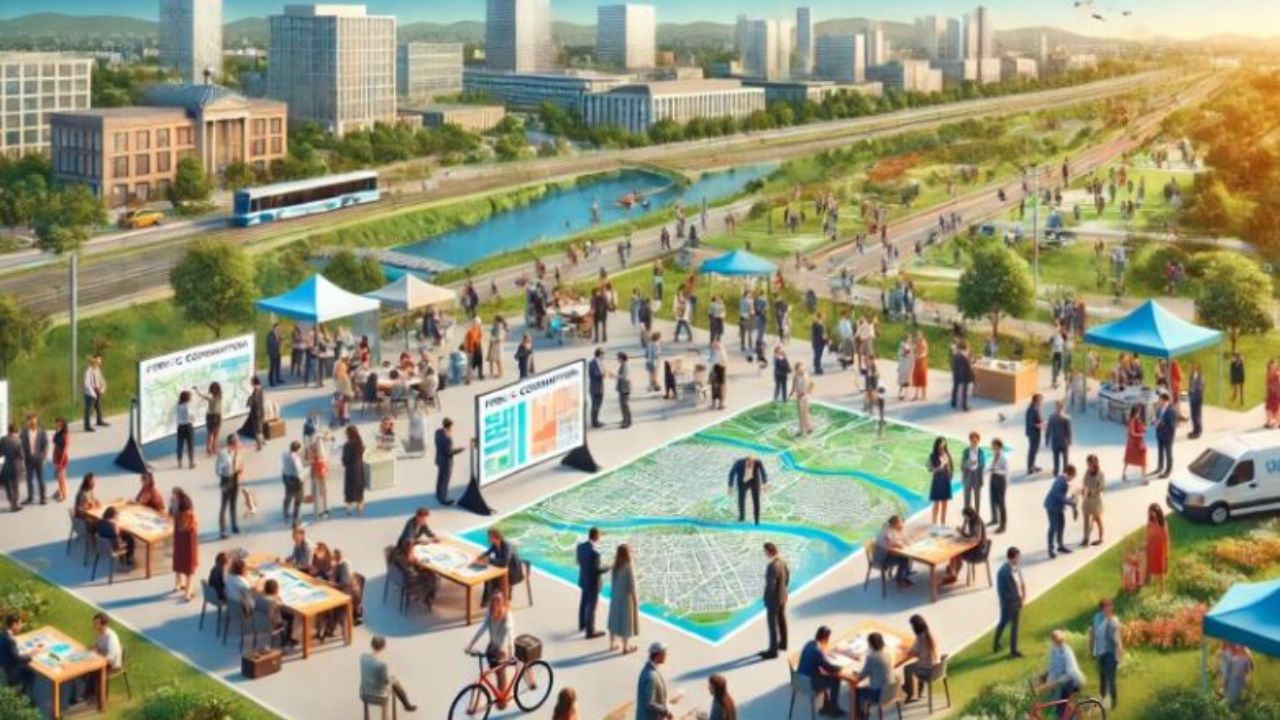
Physical spaces influence social connection. Parks, libraries, recreation centers, and walking trails create natural opportunities for interaction and engagement. Urban planners across the U.S. are now prioritizing people-friendly design, ensuring communities have places that encourage interaction rather than isolation.
Examples include New York City’s High Line and Chicago’s Riverwalk, both of which transformed underutilized areas into vibrant community spaces. Even smaller towns can apply this principle by maintaining clean parks, safe sidewalks, and inclusive recreational areas that invite residents to gather and connect.
Leveraging Technology to Connect Residents
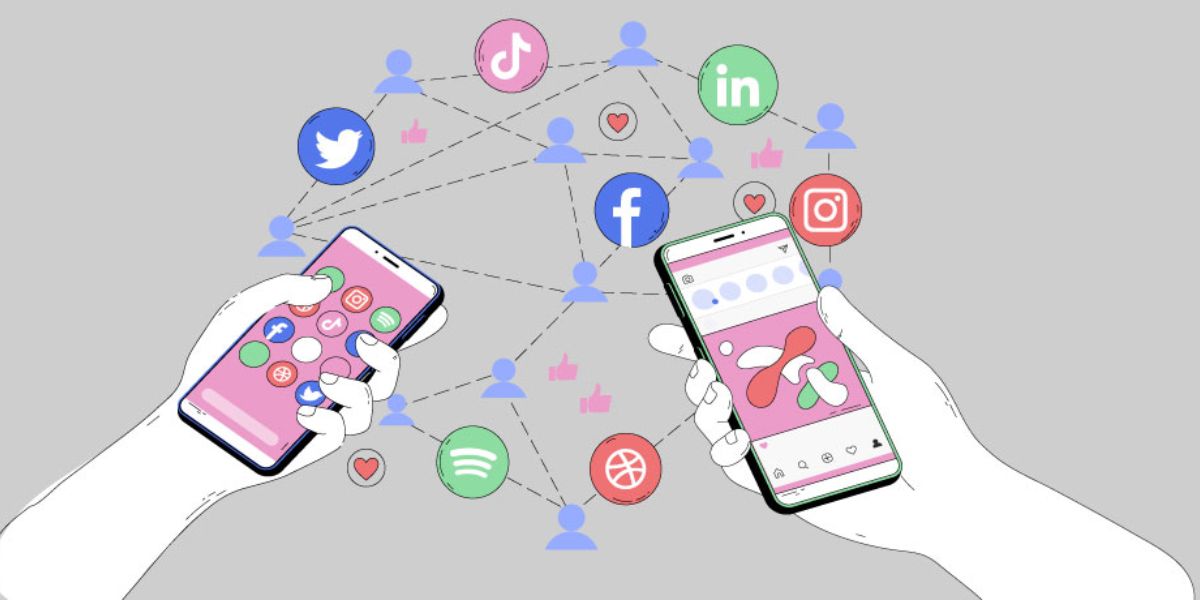
In the digital age, technology is becoming a vital bridge for community belonging. Apps like Nextdoor or local Facebook groups allow neighbors to share updates, recommendations, and emergency alerts. Virtual spaces also make it easier for newcomers to integrate into established communities.
When used responsibly, technology enhances local relationships, helps coordinate events, and ensures that residents stay informed about what’s happening in their neighborhoods.
Conclusion: Belonging Begins With Connection
A sense of belonging doesn’t just happen—it’s cultivated through consistent effort, empathy, and inclusivity. When residents feel connected to their communities, they’re more likely to contribute, volunteer, and take pride in their surroundings.
From hosting inclusive events to investing in communication and public spaces, small initiatives can have a lasting impact. As more U.S. cities adopt these approaches, they’re proving that when people feel like they belong, communities become stronger, safer, and more united.
Want to help strengthen your own community? Explore stories, resources, and local initiatives at PKCM.org and discover how you can make a difference where you live.