In today’s competitive job market, volunteering is no longer just about giving back—it’s also a powerful way to advance your career. Across the U.S., professionals are increasingly discovering how volunteer work can open doors to new skills, networks, and employment opportunities. From developing leadership qualities to building hands-on experience, volunteering can play a transformative role in shaping a person’s professional journey.
The Value of Volunteering in the Modern Workforce
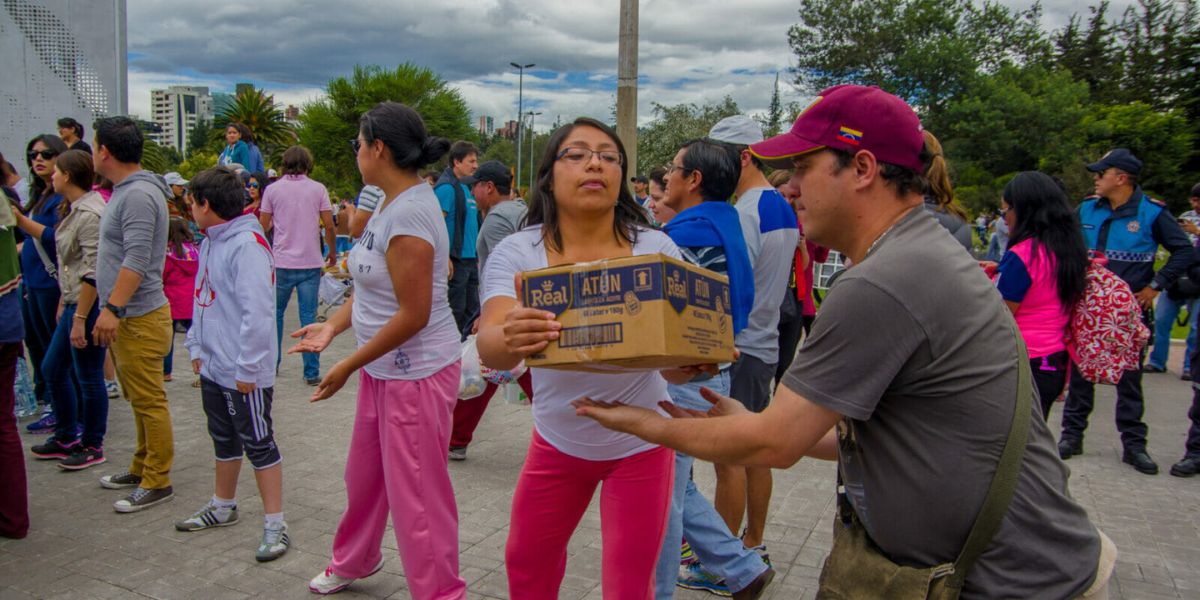
Volunteering allows individuals to gain real-world experience while contributing to meaningful causes. Many U.S. organizations, from nonprofits to government initiatives, rely heavily on volunteers to support their missions. For participants, this involvement offers more than just goodwill—it provides a chance to learn, grow, and demonstrate abilities in a real setting.
Table of Contents
Employers across the United States often look for candidates with initiative, teamwork, and leadership qualities—all of which can be developed through volunteer work. Whether it’s managing an event, helping with community outreach, or supporting digital campaigns, volunteers build skills that are highly transferable to paid positions.
Building Transferable Skills Through Volunteering
Volunteering provides an opportunity to gain hands-on experience in areas that are valuable in most industries. Some of the most common transferable skills developed through volunteering include:
- Leadership: Organizing events or coordinating teams teaches how to lead, motivate, and manage people effectively.
- Communication: Interacting with diverse groups enhances one’s ability to communicate clearly and empathetically.
- Problem-solving: Volunteers often face unexpected challenges that require quick thinking and adaptability.
- Project management: Many roles involve planning, budgeting, and executing community projects.
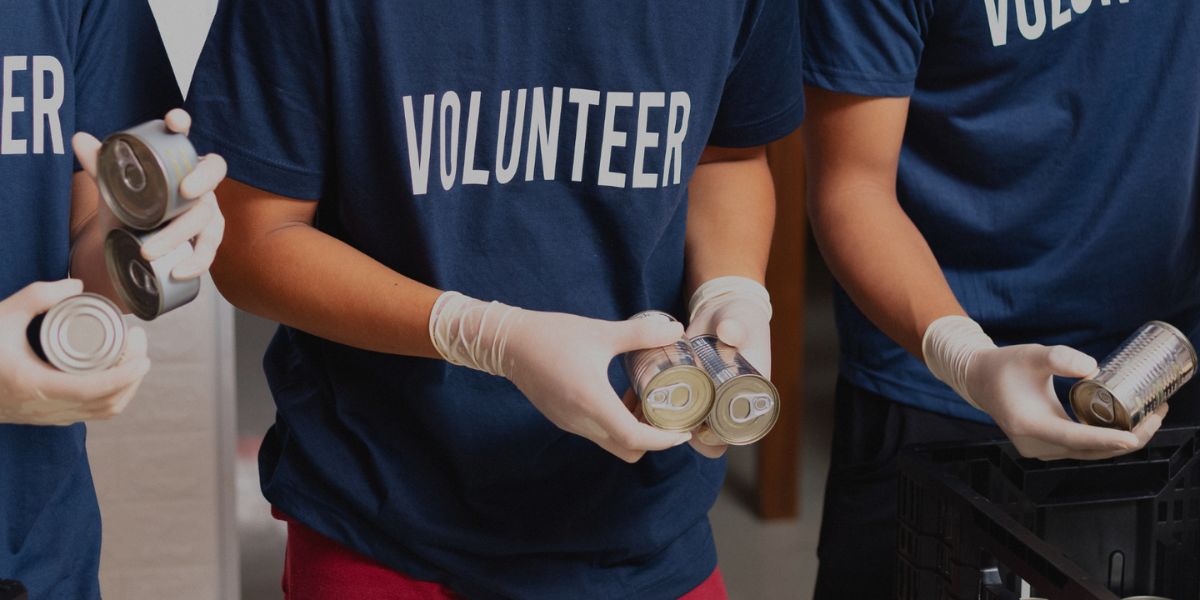
For example, someone volunteering as a coordinator at a food bank gains organizational and logistics experience, while a volunteer in a literacy program develops teaching and mentoring abilities. These skills can directly align with roles in management, education, or nonprofit sectors.
Networking and Professional Exposure
One of the biggest benefits of volunteering is the networking opportunities it provides. Volunteers often work alongside professionals, leaders, and organizations that can influence their career paths. These connections can lead to mentorships, references, or even direct job offers.
In many cases, organizations hire their most dedicated volunteers when paid positions become available. By showing commitment and initiative, volunteers can stand out as strong candidates who already understand the organization’s mission and values.
Cities like Seattle and Austin have thriving volunteer ecosystems where professionals from tech, education, and healthcare often connect through community initiatives. Many people have transitioned from volunteer positions into full-time careers thanks to these local connections.
Gaining Industry Experience and Insight
Volunteering can also be a stepping stone into new industries. For those considering a career change, volunteering offers a risk-free way to explore a field and gain insight into its daily operations. For instance:
- Volunteering at a local clinic or public health campaign can provide exposure to healthcare.
- Supporting environmental organizations helps develop sustainability and advocacy skills.
- Contributing to nonprofit marketing campaigns builds digital and communications experience.
These opportunities allow individuals to build credibility in a new field before applying for professional roles, giving them an edge in competitive industries.
Enhancing Your Resume with Volunteer Experience
According to a study by LinkedIn and Deloitte, over 40% of hiring managers consider volunteer experience equally valuable as paid work. Listing volunteer roles on your resume demonstrates initiative, community involvement, and the ability to balance multiple responsibilities.
For example, stating that you “led a team of 20 volunteers to organize a regional fundraising event that raised $50,000” shows measurable impact—something employers find impressive. Including volunteer experience also communicates character and a strong sense of purpose, traits that employers appreciate in long-term employees.
How Students and Recent Graduates Benefit
For students and recent graduates, volunteering can serve as a practical training ground. It offers opportunities to gain experience before entering the job market, build a professional network, and discover personal strengths. Many American universities now encourage students to complete volunteer hours as part of their career development programs.
For instance, students studying business or communication can volunteer at nonprofit organizations to practice marketing, event planning, or data management. This real-world exposure can make their resumes stand out among peers with only classroom experience.
From Volunteering to Employment: Real Success Stories
Across the U.S., countless individuals have turned their volunteer experiences into fulfilling careers. A volunteer who started as a social media manager for a charity may later transition into a digital marketing role. Others who volunteered at shelters or hospitals have gone on to become social workers or healthcare professionals.
One notable example is from Habitat for Humanity, where several long-time volunteers have joined as project coordinators or site managers after years of unpaid service. Their experience, commitment, and firsthand understanding of the organization’s goals made them ideal candidates.
Conclusion: Turning Volunteer Work into a Career Path
Volunteering is not just an act of service—it’s a strategic investment in one’s personal and professional future. By developing skills, building networks, and gaining meaningful experience, volunteers can open doors to new career paths across industries in the U.S.
Whether you’re a student exploring your passions or a professional seeking growth, volunteering offers a pathway to both purpose and opportunity.
Ready to make an impact and grow your career? Explore meaningful volunteer opportunities and community programs today at PKCM.org.