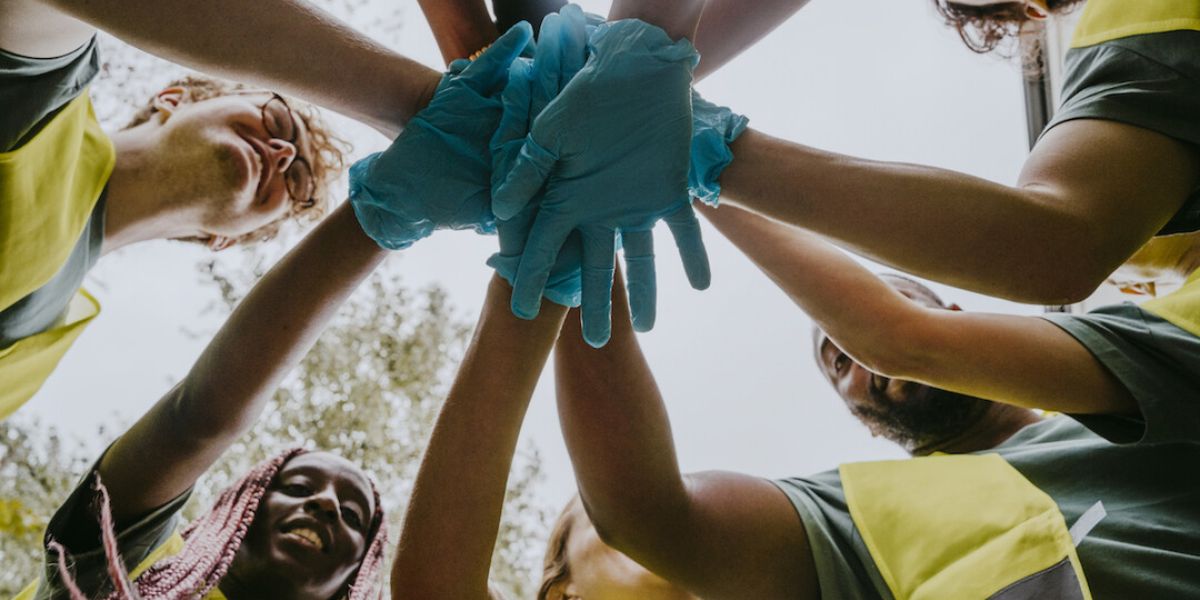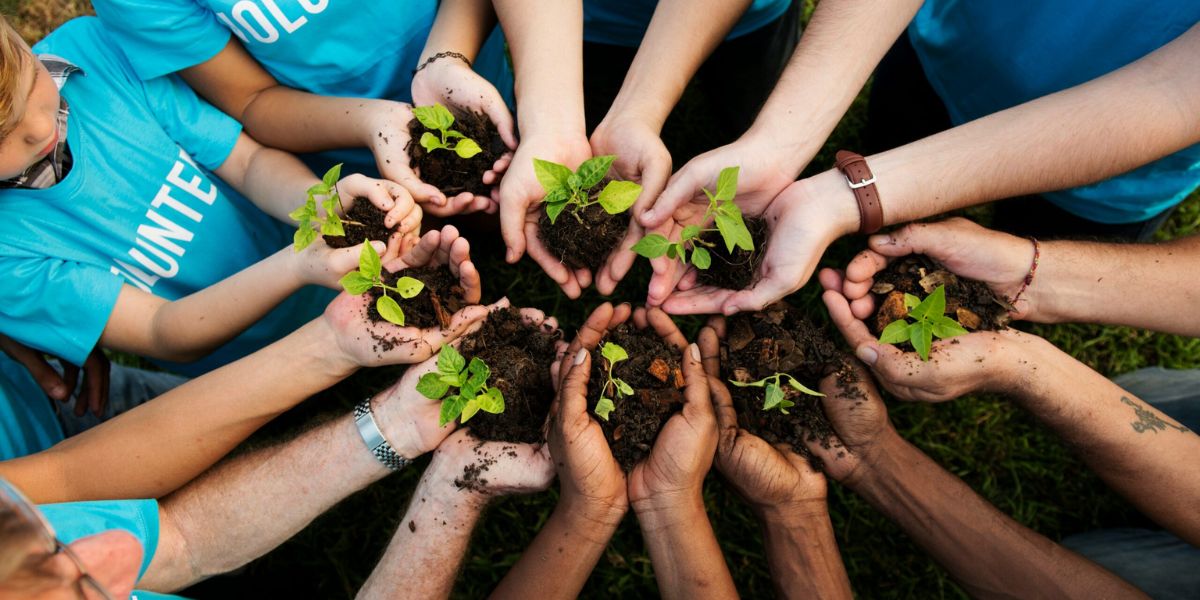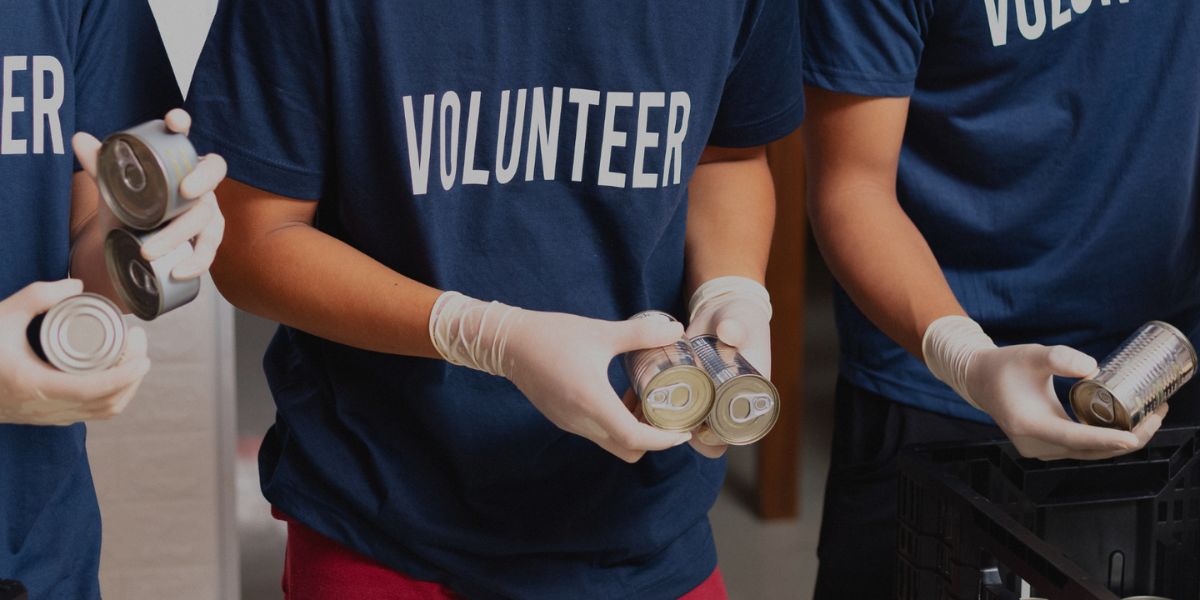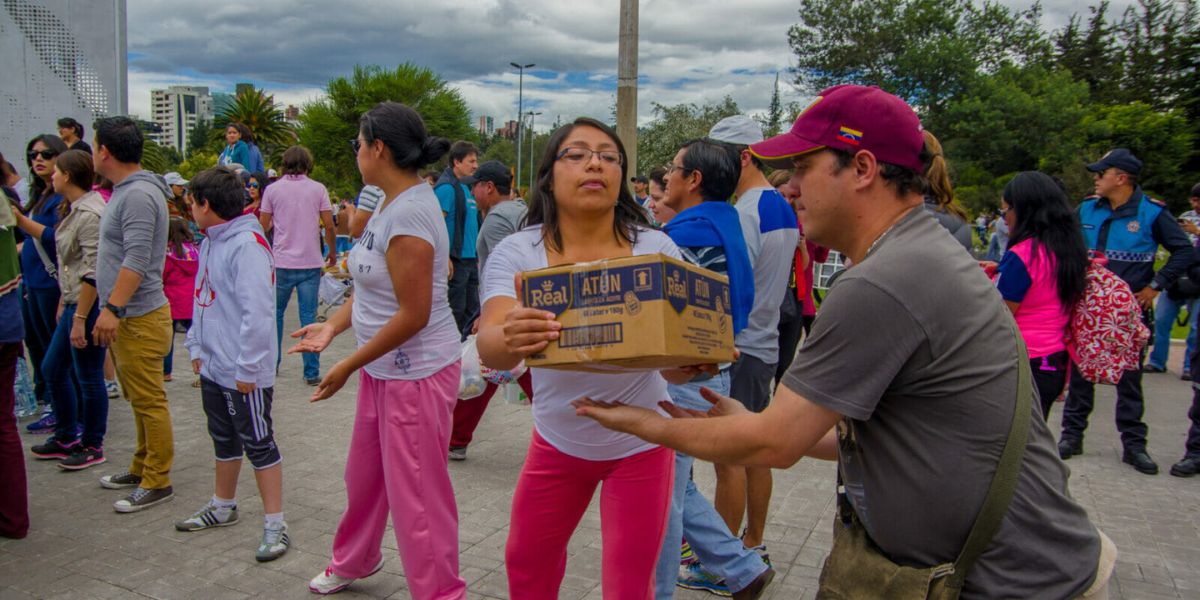
Volunteering has long been recognized as a powerful way to give back to society, but research increasingly shows it also provides meaningful mental health benefits. Across U.S. communities, people of all ages are discovering that acts of service not only support others but also improve their own emotional well-being, confidence, and sense of purpose. This article explores how volunteering contributes to mental health and how communities nationwide are leveraging volunteer programs to promote resilience and connection.
Understanding the Link Between Volunteering and Mental Well-being
Volunteering offers a unique balance between altruism and personal growth. When individuals volunteer, they often experience what psychologists call a “helper’s high”—a rush of positive feelings that results from doing something meaningful for others. According to studies from the National Institute on Aging, consistent volunteer work can lower stress, reduce depression, and even lead to longer life expectancy.
Table of Contents
Helping others also gives people a sense of control and purpose, particularly important during times of uncertainty. Whether serving meals at a shelter, mentoring youth, or assisting in disaster recovery efforts, volunteers gain fulfillment that enhances emotional resilience and reduces anxiety.
Social Connection: The Foundation of Emotional Strength
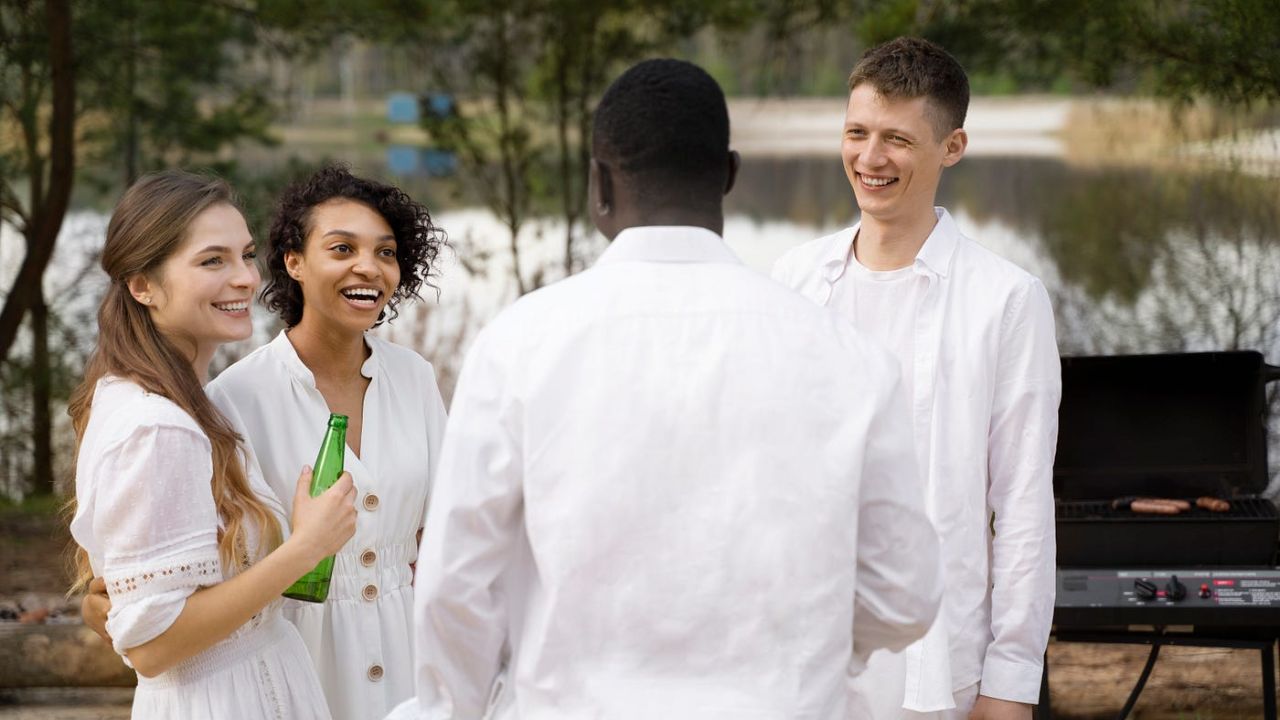
One of the strongest benefits of volunteering lies in its ability to build social connections. Loneliness and social isolation are increasingly recognized as major public health issues in the U.S., particularly among seniors and young adults. Volunteer work naturally fosters social interaction, helping people form friendships and networks grounded in shared purpose.
In cities like Austin, Texas, and Minneapolis, Minnesota, community-driven volunteer programs have become vital tools for combating isolation. By creating inclusive spaces where people collaborate for a cause, these programs provide emotional support systems that improve overall happiness and reduce the risk of mental health struggles.
How Volunteering Reduces Stress and Improves Emotional Balance
Engaging in volunteer work can act as a natural stress reliever. Studies show that focusing on helping others diverts attention from personal stressors and promotes mindfulness—a mental state associated with reduced anxiety and improved mood. Activities such as organizing food drives or community clean-ups can encourage physical activity and outdoor exposure, both of which boost endorphin levels.
Organizations like Habitat for Humanity and Meals on Wheels America demonstrate how structured volunteer programs can promote relaxation and mental rejuvenation. Volunteers often report sleeping better, feeling more energetic, and coping more effectively with everyday challenges.
Building Self-Esteem and a Sense of Purpose Through Service
Volunteering allows individuals to use their skills in meaningful ways, which enhances self-worth. When people see the tangible results of their efforts—whether it’s a cleaned-up park, a family housed, or a child mentored—they develop pride and purpose. This sense of accomplishment builds confidence and resilience, especially among those facing personal difficulties.
For example, U.S. veterans participating in service programs like The Mission Continues often report that volunteering helps them transition to civilian life by rebuilding their identity and purpose. The experience of being needed and valued can profoundly improve mental health.
Youth Volunteering: Early Lessons in Emotional Resilience
Introducing young people to volunteering can shape their mental well-being from an early age. Schools and community organizations across the U.S. have integrated service-learning programs that encourage empathy, teamwork, and self-awareness. Young volunteers learn the importance of responsibility and compassion while forming emotional intelligence that supports lifelong mental health.
Programs like AmeriCorps and local community centers help youth develop leadership skills while reinforcing positive coping mechanisms. The lesson here is that volunteering doesn’t just benefit adults—it lays the foundation for emotionally healthy, socially responsible citizens
Volunteering as a Tool in Mental Health Recovery
In addition to prevention, volunteering can also play a role in recovery for individuals facing mental health challenges. Many U.S. mental health organizations, such as NAMI (National Alliance on Mental Illness), include peer-support volunteer roles that empower those in recovery to help others facing similar struggles. This peer-based model fosters empathy and creates a strong sense of belonging that traditional therapy alone may not provide.
By serving others, individuals in recovery find purpose beyond their diagnosis, reducing stigma and building confidence in their ability to make a difference. It’s a powerful reminder that helping others can be a pathway to healing oneself.
Conclusion: A Healthier Nation Through Acts of Service
Volunteering has evolved into more than just community service—it’s a cornerstone of personal wellness and national unity. The emotional benefits it brings, from reduced stress and loneliness to improved confidence and happiness, are invaluable in today’s fast-paced society.
As U.S. communities continue to prioritize mental health, volunteer programs stand out as one of the most accessible and effective solutions. By encouraging acts of service at every level, America can nurture both stronger communities and healthier minds.
Looking to make a difference? Explore volunteer opportunities in your area and learn how you can help strengthen your community at PKCM.org.