Across the United States, schools are recognizing the critical importance of group support networks in promoting student well-being, academic success, and emotional resilience. These networks—ranging from peer mentoring programs to mental health support groups—are becoming essential tools for helping students navigate the pressures of modern education. As school environments grow increasingly diverse and complex, understanding how to build and sustain effective group support systems has never been more important.
The Growing Importance of Group Support in Schools
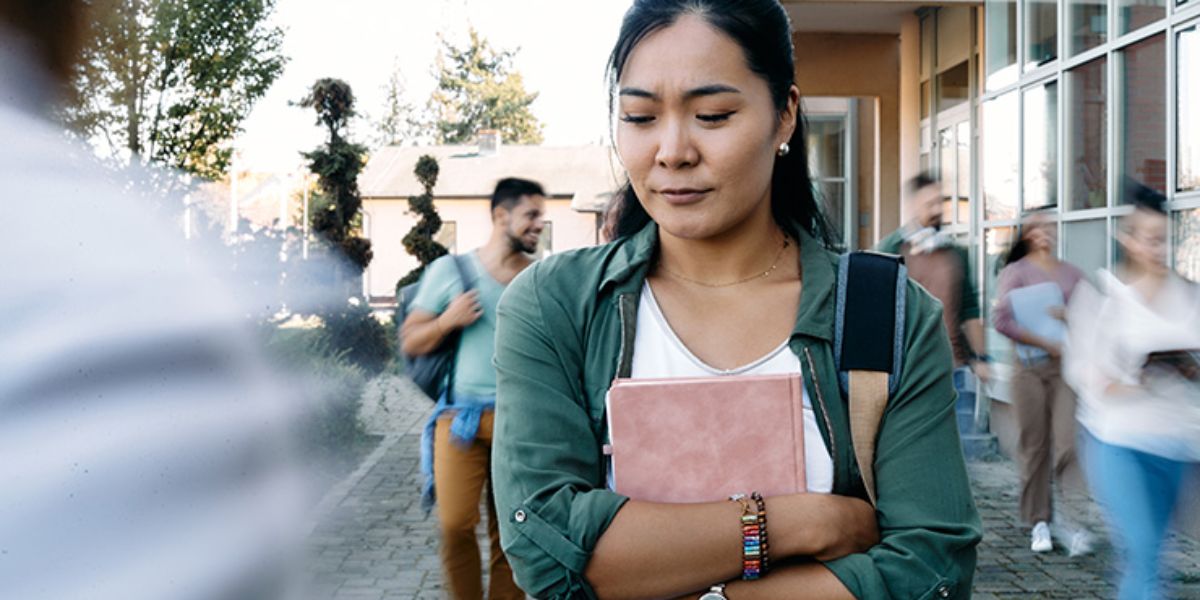
The challenges faced by students today go far beyond academics. Rising mental health concerns, social isolation, bullying, and the aftermath of the COVID-19 pandemic have highlighted the need for stronger emotional and social support structures in schools. In response, many U.S. schools are shifting focus toward collaborative well-being models, where students help one another through organized support networks.
Table of Contents
Research from the American Psychological Association shows that students who feel connected to peers and staff are more likely to excel academically and less likely to experience depression or disengagement. This connection is precisely what group support networks aim to cultivate—a sense of belonging and shared responsibility within the school community.
Peer Mentorship: Building Confidence and Connection
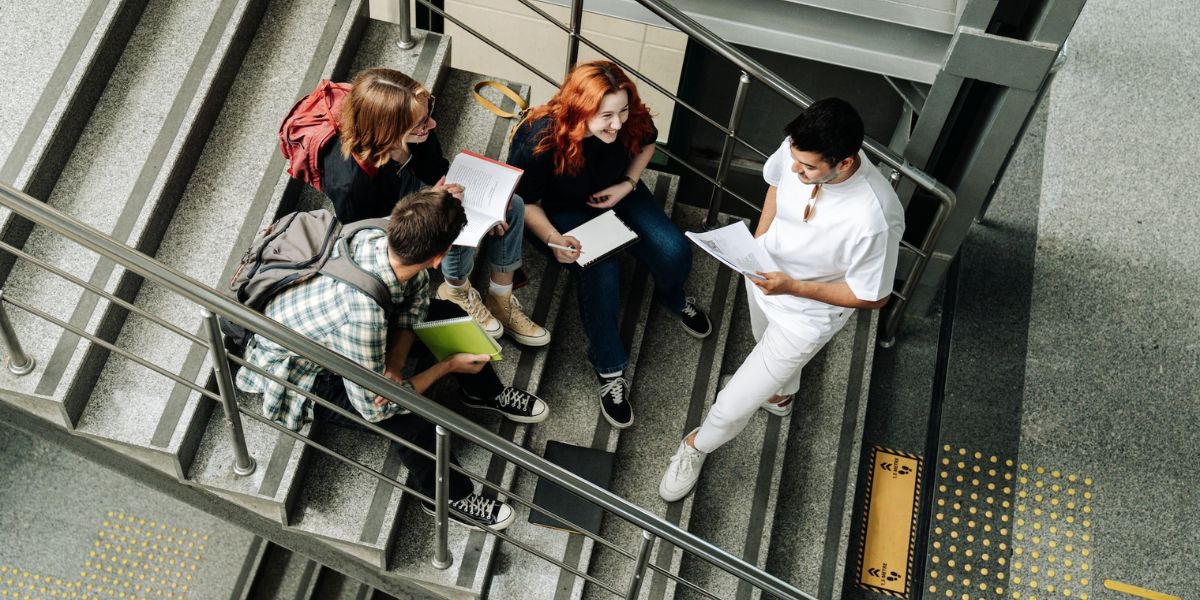
One of the most effective approaches to group support in schools is peer mentorship. Programs pairing older students with younger ones help bridge social gaps and foster mutual trust. In states like California and New York, mentorship initiatives have proven successful in easing transitions for new students, improving academic performance, and reducing feelings of loneliness.
Peer mentors often act as role models, offering advice, empathy, and a listening ear—something students may be hesitant to seek from adults. These programs not only empower the mentees but also teach leadership and empathy to the mentors themselves. The result is a self-sustaining cycle of support that strengthens the entire student body.
Integrating Mental Health Support Networks
Mental health remains one of the most urgent areas for school support. Schools in Massachusetts, Texas, and Oregon have begun integrating mental health groups and emotional wellness circles into their support systems. These safe spaces allow students to share personal challenges, learn coping strategies, and feel less alone in their struggles.
Professional counselors, teachers, and even trained student leaders often facilitate these groups. According to the National Alliance on Mental Illness (NAMI), schools that include structured emotional support groups report lower absenteeism and disciplinary issues and a noticeable boost in academic engagement.
Collaboration Between Teachers, Parents, and Students
Group support networks thrive when teachers, parents, and students work together. Open communication between home and school ensures that students receive consistent encouragement and care in every environment.
Some U.S. districts, such as those in Illinois and Washington, have introduced family partnership committees and community advisory groups to connect parents with teachers and counselors. These collaborative efforts make it easier to identify early signs of academic or emotional struggles and intervene before they escalate.
The key lesson: inclusivity and communication are vital. When all stakeholders participate, support networks become stronger and more responsive to students’ evolving needs.
Technology and Virtual Support Communities
As digital learning becomes more common, technology is playing an expanding role in group support. Online platforms like Google Classroom and Remind have evolved from academic tools into virtual communities where students can collaborate, share experiences, and access help discreetly.
Some schools are even using secure apps to connect students with peer counselors or support forums moderated by trained staff. These tools allow students who may feel uncomfortable seeking help in person to access emotional and academic support remotely.
By embracing technology, schools ensure that support systems remain accessible, even beyond the physical classroom.
Encouraging Diversity and Inclusion in Support Networks
For a group support system to succeed, it must reflect the diversity of the student body. U.S. schools are increasingly emphasizing cultural sensitivity and inclusion within their support networks.
Programs that include multilingual peer leaders, LGBTQ+ support groups, and clubs focused on cultural exchange have shown positive results in promoting equity and understanding. The goal is not just to help students in need but to create environments where everyone feels seen and valued.
As one Chicago-based counselor put it,
“Inclusion isn’t just about being in the same classroom—it’s about being heard, respected, and understood.”
Conclusion: A Blueprint for Stronger School Communities
The future of education depends on more than test scores—it relies on nurturing environments where students can grow emotionally, socially, and academically. By building strong group support networks, schools across the U.S. are laying the foundation for healthier, more resilient generations.
These initiatives remind us that education is not only about knowledge but also about connection. Schools that prioritize support and inclusivity are shaping communities that extend well beyond the classroom.
Want to learn how community-driven initiatives can strengthen education in your area? Explore more inspiring stories and resources at PKCM.org.