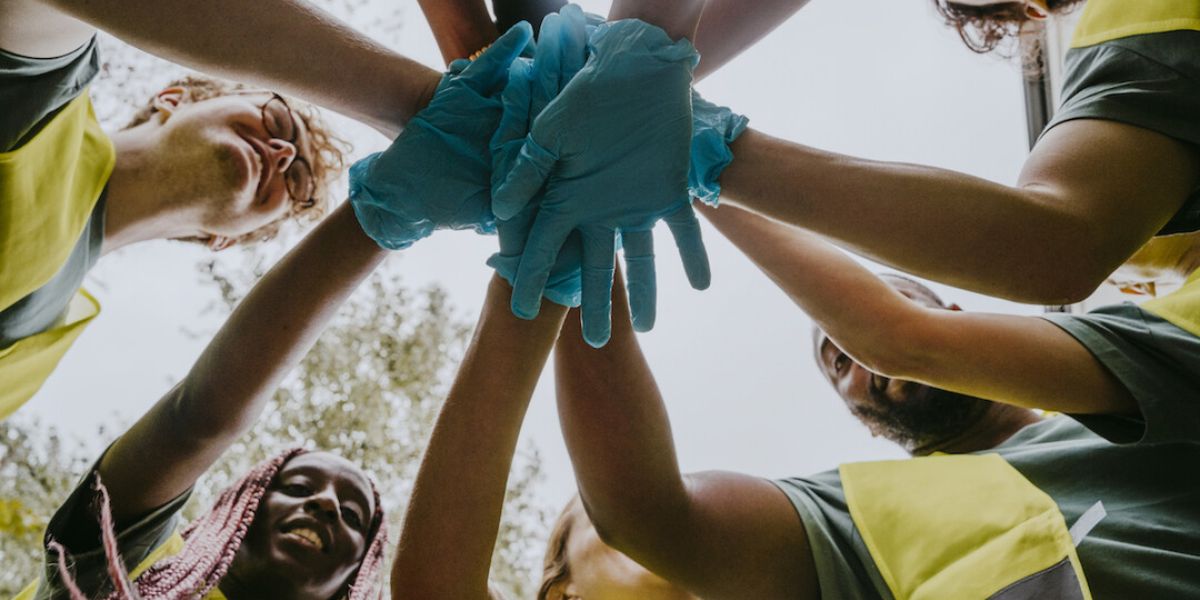
Volunteering has long been a cornerstone of community life in the United States, but its role in strengthening the social fabric of cities has become even more significant in recent years. As urban areas continue to grow and face new social, economic, and cultural challenges, volunteers are stepping in to bridge gaps, support vulnerable populations, and foster deeper connections among residents. This article explores how volunteer efforts are transforming U.S. cities and the valuable lessons they offer for building more resilient, connected communities.
The Growing Importance of Volunteerism in Urban America
Cities across the U.S. are dealing with rapidly shifting demographics, rising economic inequality, and an increased need for social support systems. In this environment, volunteerism has emerged as a powerful force for good. Volunteers contribute their time and skills to address local needs, support nonprofits, assist underserved communities, and strengthen neighborhood bonds.
Table of Contents
Volunteering benefits not only the recipients of support but also the volunteers themselves. Studies consistently show that volunteering improves mental health, reduces stress, enhances social well-being, and provides a strong sense of purpose. When individuals give their time, they contribute to a culture of shared responsibility—something every city needs to thrive.
Supporting Vulnerable Populations Through Community Action
One of the most direct ways volunteering strengthens cities is through assistance to vulnerable and underserved groups. From food banks and homeless shelters to after-school programmes and elder support services, volunteers form the backbone of countless essential initiatives.
Key Areas Where Volunteers Make an Impact
- Homeless outreach and transitional housing support
- Mentorship programmes for youth and students
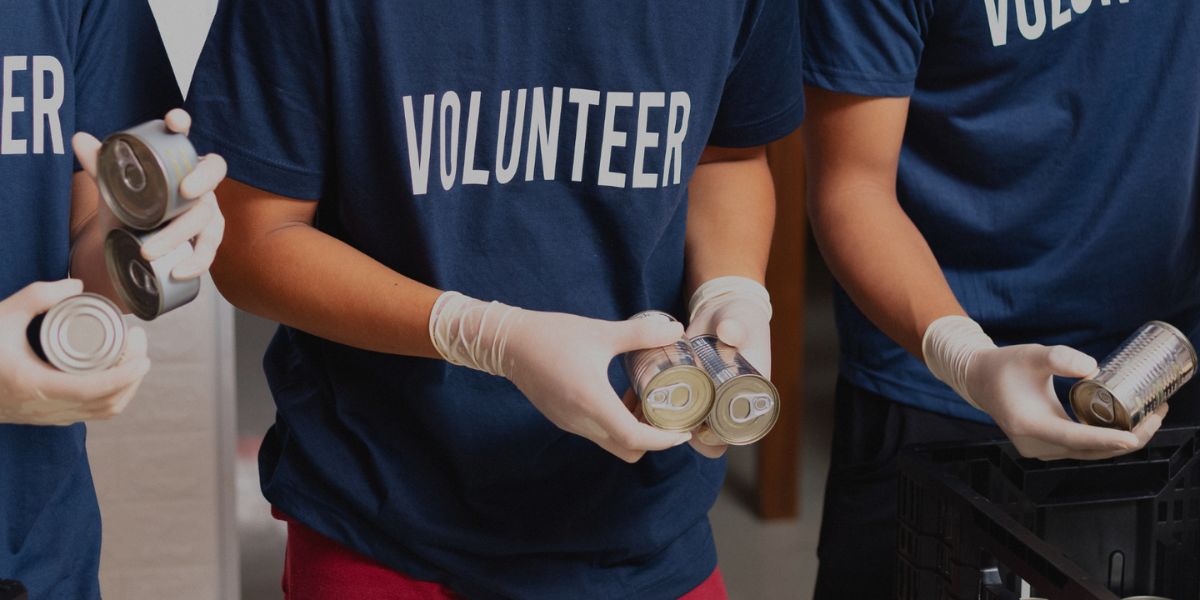
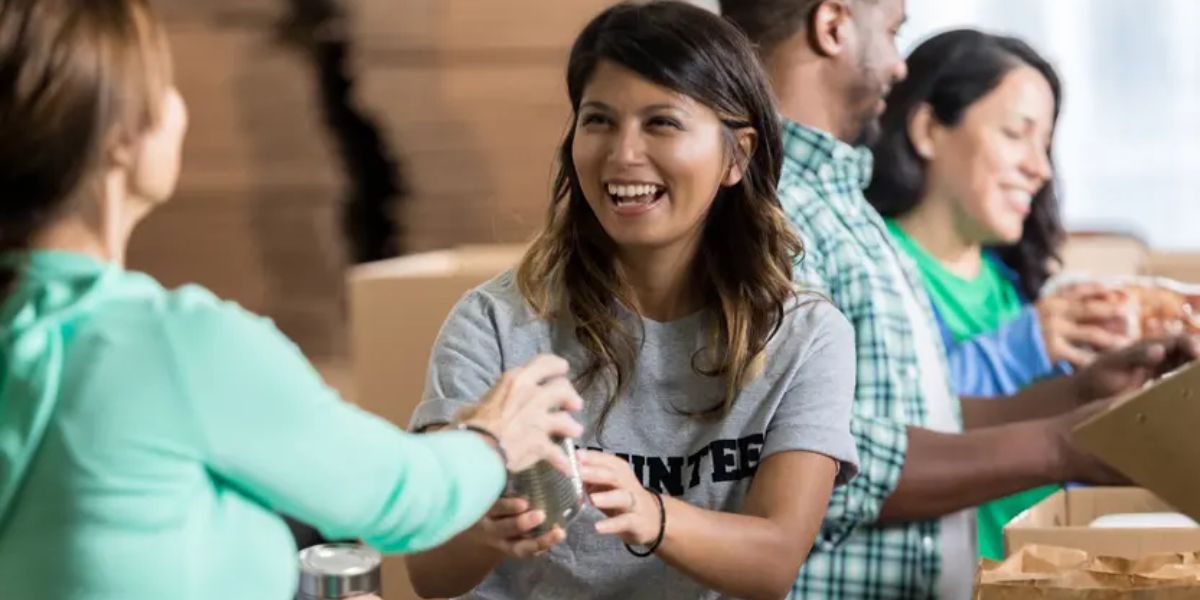
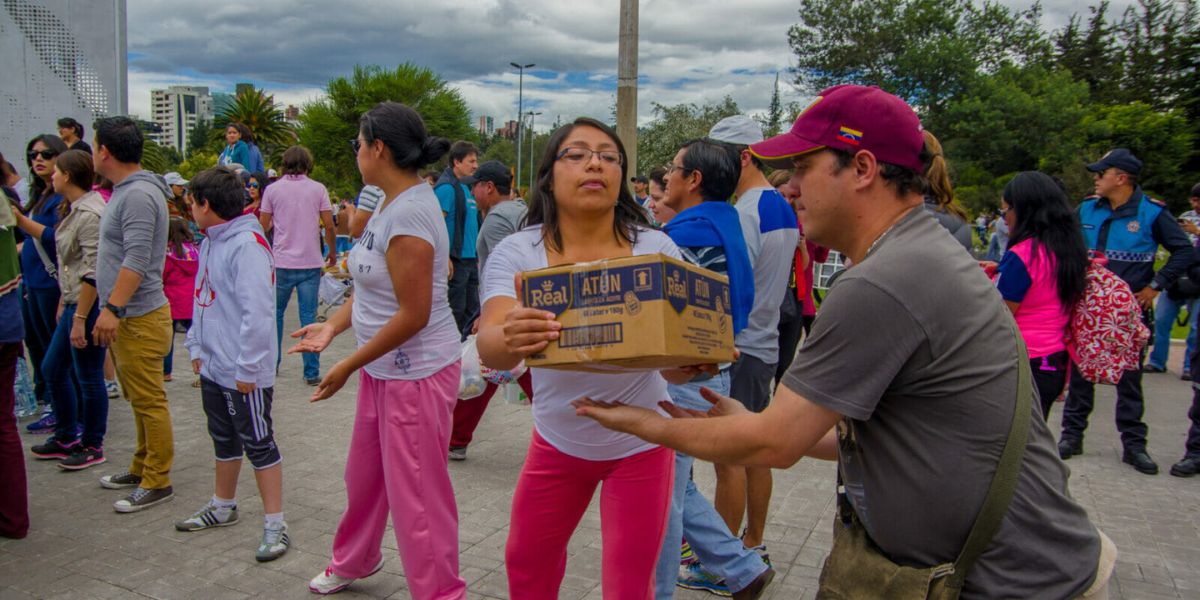
- Food distribution and community kitchen services
- Mental health support groups and crisis hotlines
These efforts fill critical service gaps and create safety nets that government systems alone cannot always provide. The more volunteers engage with vulnerable groups, the stronger the city’s collective resilience becomes.
Strengthening Neighbourhood Connections and Reducing Isolation
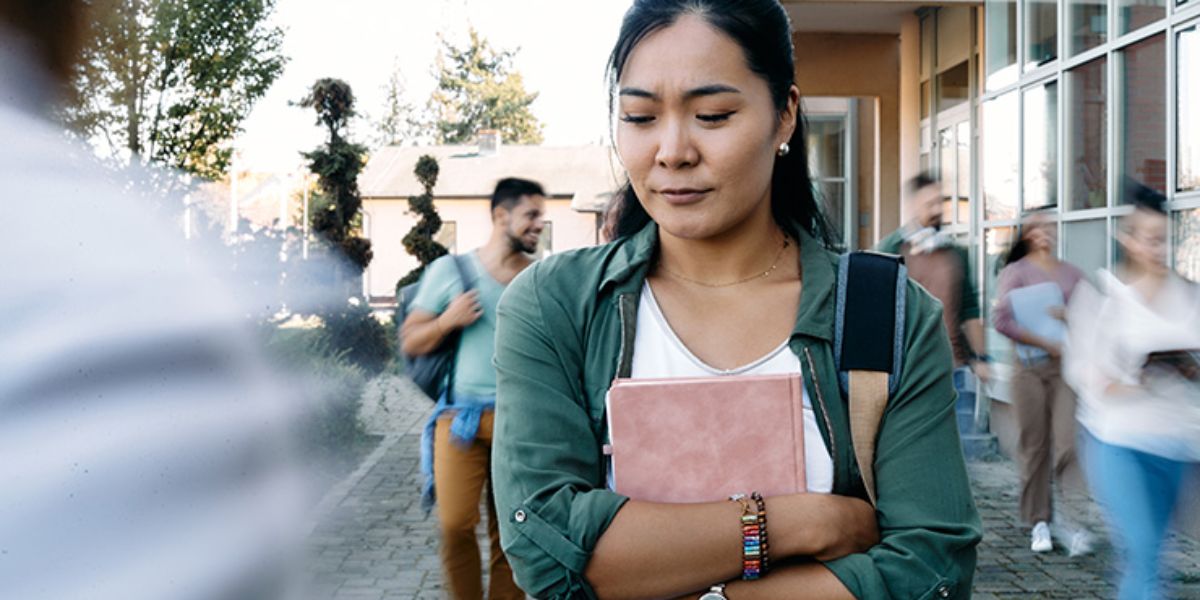
Urban environments can often feel isolating, especially for older adults, immigrants, or those living in high-stress areas. Volunteering helps break down these barriers by creating opportunities for meaningful human connection.
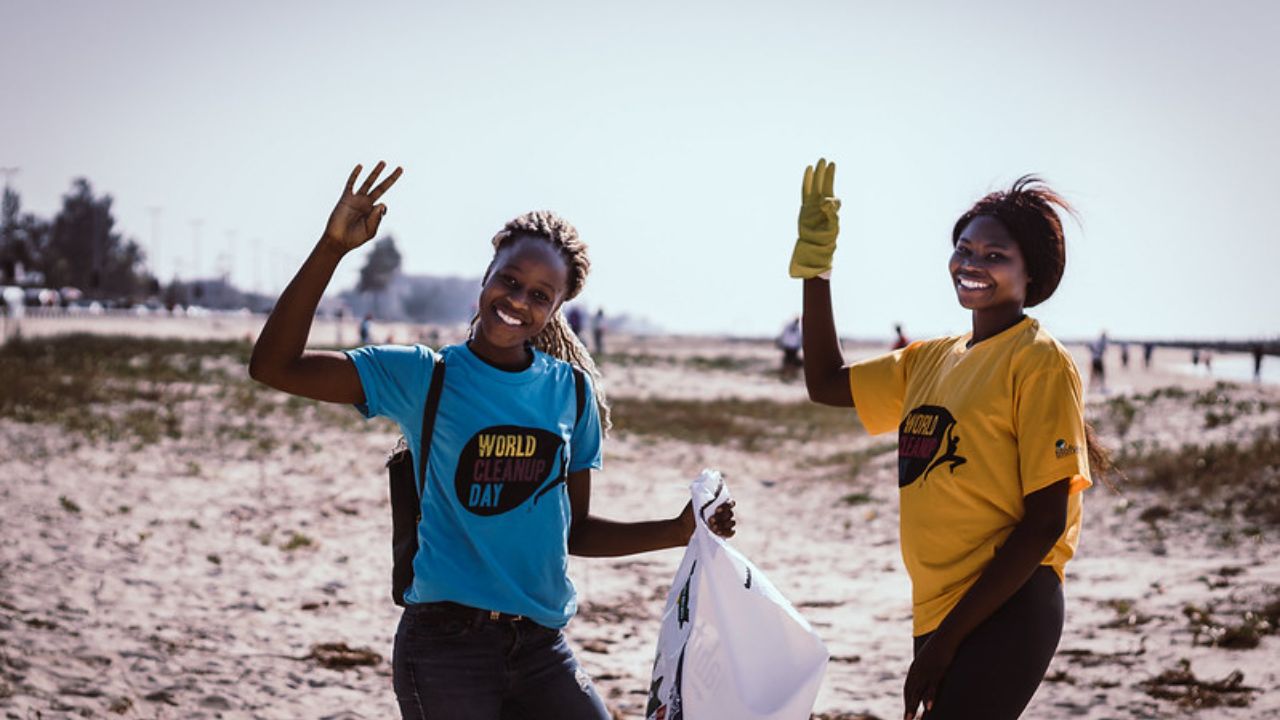
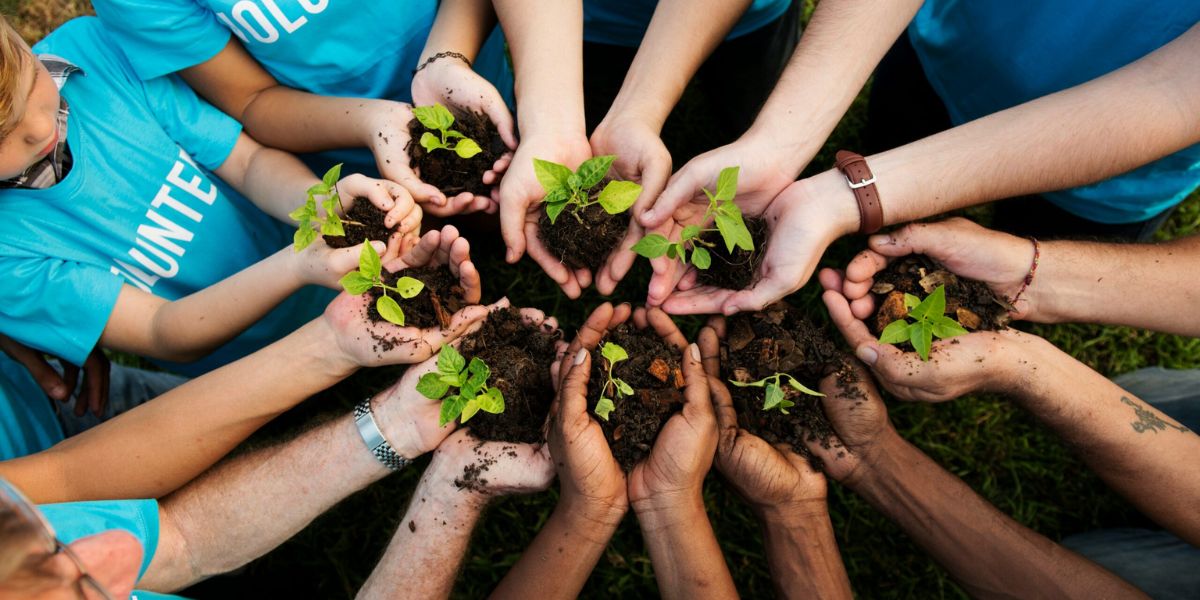
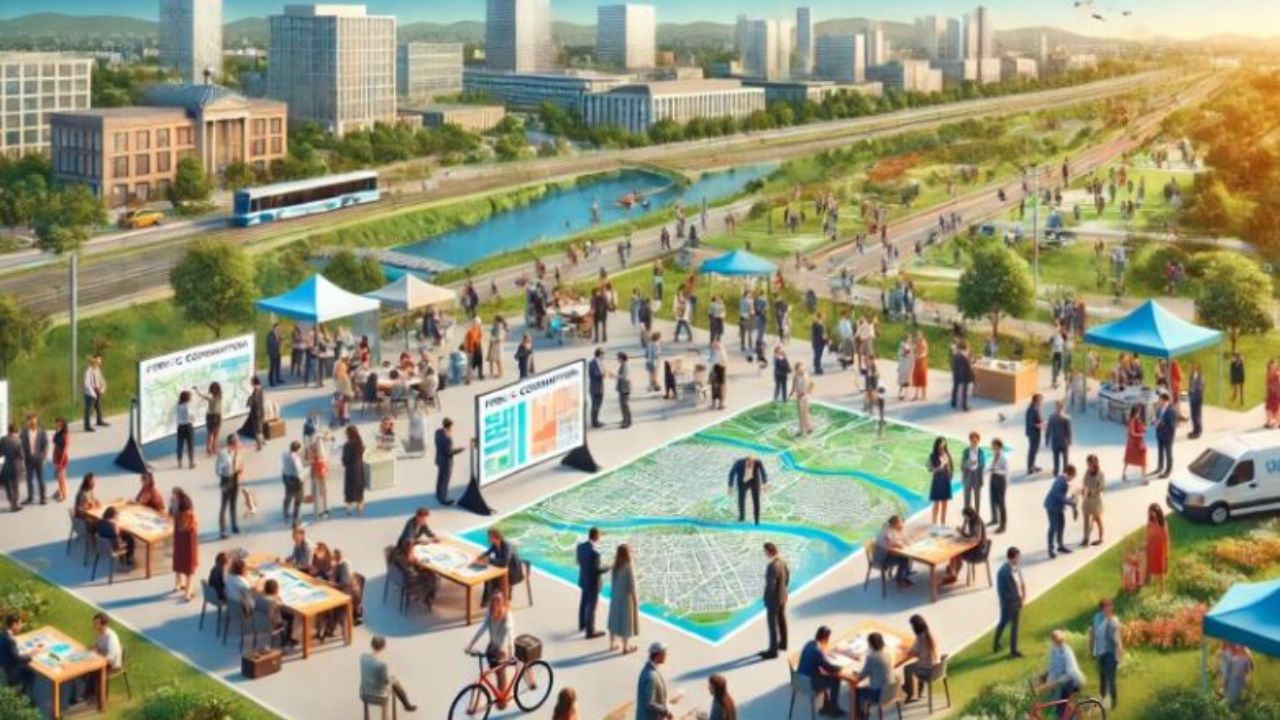
Cities such as Seattle and Minneapolis have launched community-based volunteering programmes that pair residents to work together on local projects. Whether cleaning up parks, planting community gardens, or organising block gatherings, these acts build trust and foster unity.
Why Neighbourhood Volunteering Matters
- Encourages regular interaction among residents
- Helps reduce crime by building stronger community ties
- Promotes a greater sense of safety and belonging
- Strengthens neighbourhood identity and pride
When people know and support one another, they create a more inclusive and cooperative environment—something every urban community needs.
Empowering Youth Through Civic Engagement
Youth volunteer programmes have shown remarkable success in shaping future community leaders. Cities are increasingly recognising the value of involving young people in service projects, leadership initiatives, and civic engagement opportunities.
Volunteering helps young people:
- Build leadership and communication skills
- Develop empathy and social awareness
- Gain experience for future careers
- Form healthy networks and friendships
Cities like Denver and Austin have implemented structured youth volunteer programmes that partner high school and college students with nonprofits, community centres, and local government projects. This not only helps the community today but cultivates responsible citizens for tomorrow.
Boosting Local Organisations and Enhancing City Resources
Many nonprofits and community organisations rely heavily on volunteer support. Without volunteers, a significant number of U.S. city services—especially those addressing social issues—would be severely limited.
Volunteers strengthen organisations by:
- Expanding their capacity to serve more people
- Providing specialised skills such as teaching, mentoring, legal advice, or tech support
- Helping reduce operating costs so more resources go directly to community programmes
Cities that encourage volunteer participation bolster their nonprofit sector and build a stronger network of community resources.
How Volunteering Builds Unity in Diverse Cities
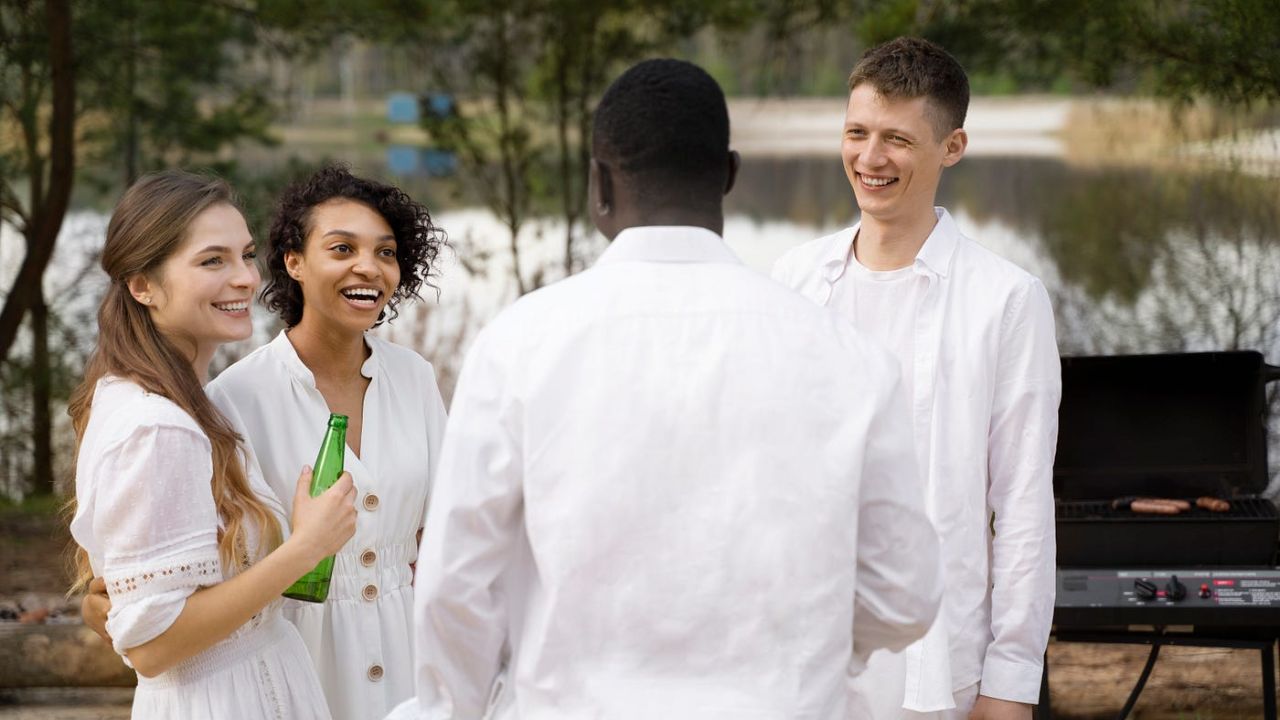
U.S. cities are some of the most diverse in the world, and this diversity can be a major strength when supported through intentional community-building. Volunteering brings people from different backgrounds together to work toward shared goals, reducing cultural barriers and fostering mutual understanding.
Multicultural volunteer initiatives—like community festivals, cultural education programmes, and immigrant-support networks—help bridge divides and create a more inclusive urban environment. The more people interact, collaborate, and support one another, the stronger and more united the community becomes.
A Path Forward for More Connected U.S. Cities
The future of strong American cities depends on people stepping up to support their communities. Volunteering provides a practical, meaningful way for individuals to make a difference while cultivating stronger social ties. Whether through neighbourhood improvement projects, youth mentorship, or support for nonprofits, volunteers remain a powerful force in shaping vibrant, resilient cities.
Call to Action
If you’re inspired to strengthen your community and help build a more connected society, explore meaningful opportunities and resources at PKCM.org. Your time, effort, and compassion can make a lasting difference—one volunteer act at a time.