Urban communities across the United States are facing rising challenges related to mental health, social isolation, economic instability, and family pressures. As these issues grow more complex, the need for strong, reliable group support systems has never been greater. From community organisations to neighbourhood-led initiatives, U.S. cities are uncovering effective ways to strengthen group support networks and create resilient, connected communities. This article explores how these systems are evolving and what lessons can be learned from successful programs nationwide.
Understanding the Growing Need for Group Support in Urban Areas
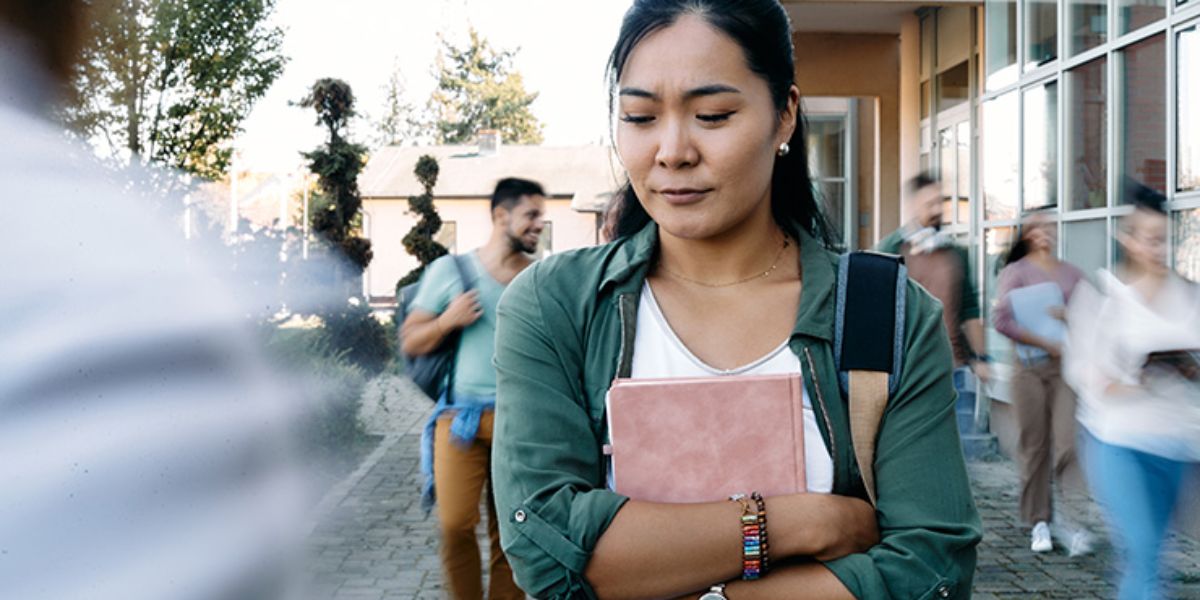
Large U.S. cities like Chicago, Los Angeles, and New York are home to diverse populations with varied needs. While urban areas offer opportunities, they also bring challenges such as high living costs, stress, and limited access to personalised care. Many residents face feelings of loneliness or disconnection despite living in densely populated environments.
Table of Contents
Group support systems help fill these gaps by creating a sense of belonging and providing shared solutions. Whether it’s mental health groups, parenting circles, addiction recovery communities, or neighbourhood wellness teams, these supports strengthen social ties and improve overall wellbeing. The need is clear: strong group support equals stronger communities.
Community Organisations Leading the Way
Community-based organisations have long played a critical role in offering support to vulnerable populations. Cities like Seattle and Denver have invested in community hubs that host counselling sessions, workshops, youth programs, and peer-support meetings. These centres focus on empowering residents through shared experiences, emotional support, and resource access.
A major lesson is that community organisations thrive when they reflect the needs and culture of the neighbourhood. Culturally competent programs—those that consider language, traditions, and local values—tend to be the most effective. These organisations also help bridge the gap between government services and individuals who might struggle to access them.
Mental Health Support Groups in Urban Settings
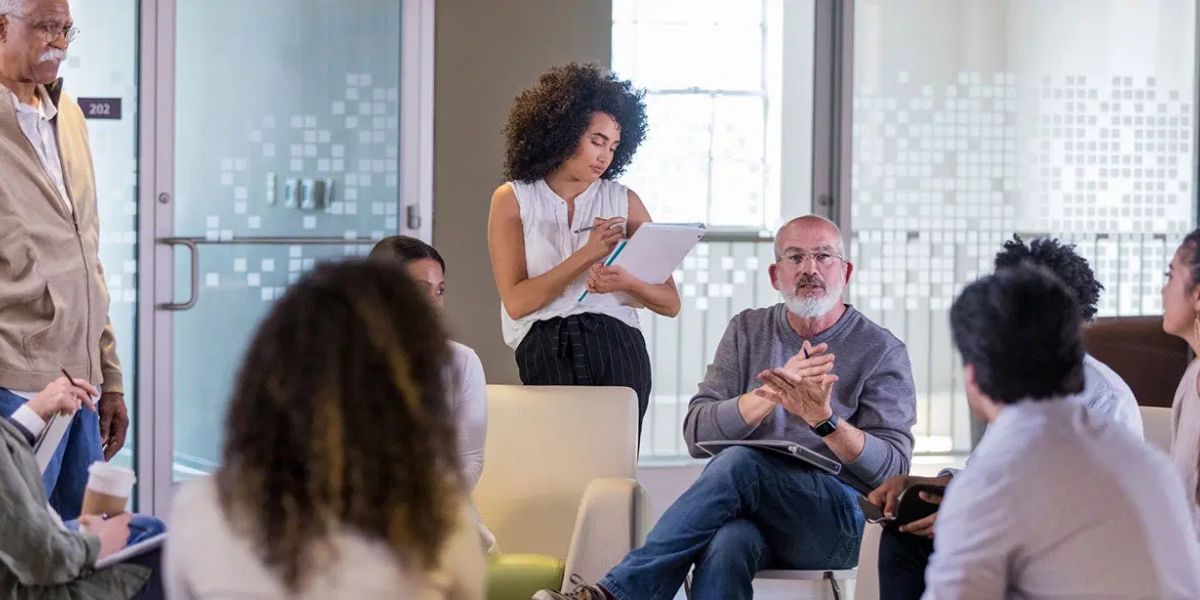
Mental health concerns continue to rise nationwide, especially in urban environments where stressors are high. Group support has become a powerful tool for addressing these issues. Cities like San Francisco and Washington, D.C. have created open-access mental health circles where people can talk openly without stigma.
These groups offer:
- Peer-led discussions for shared experiences
- Stress management and coping strategies
- Emotional support during difficult times
Research shows that individuals who participate in group therapy or peer support often recover faster and feel more understood than those who go through challenges alone. The lesson here is that mental health support must be accessible, affordable, and culturally inclusive.
Faith-Based and Nonprofit Group Support Systems
Faith-based organisations have historically been pillars of support in urban American communities. Churches, mosques, and community ministries regularly host support groups for addiction recovery, grief, family struggles, and financial hardship.
Cities like Atlanta and Houston highlight how faith-based groups can reach residents who may not engage with government or healthcare services. These organisations offer safe spaces, emotional guidance, and long-term support through community bonds.
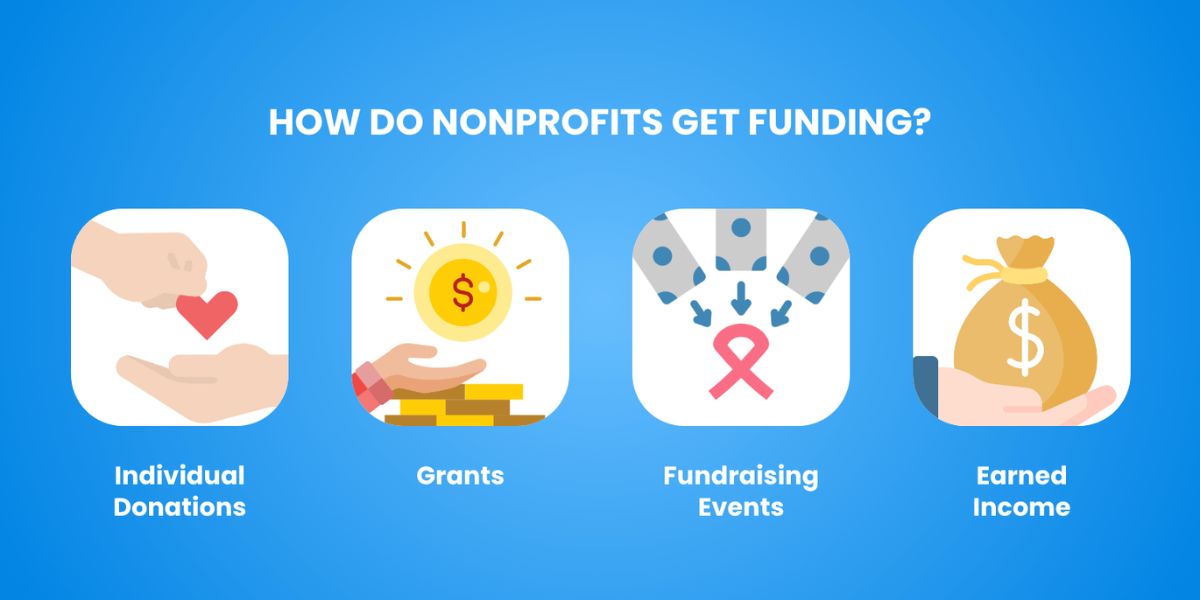
Nonprofits also play a crucial role by providing specialised support services, especially in low-income neighbourhoods. Programs for single mothers, immigrants, seniors, and youth help address unique challenges and strengthen community networks.
Technology as a Tool for Expanding Group Support
Technology has transformed the way group support works. The rise of virtual meetings has allowed people from different parts of a city to participate in support groups without transportation barriers. Cities like Miami and Austin have developed digital community platforms where residents can join support circles, access resources, and participate in workshops.
Virtual support groups have become especially important for:
- Busy urban workers
- People with limited mobility
- Residents in underserved neighbourhoods
The lesson is that technology, when used well, expands the reach of community support far beyond physical limitations.
Youth and Family Support Programs
Urban youth face unique pressures, from academic stress to exposure to violence or unstable environments. Cities like Detroit and Baltimore have invested in youth mentorship programs and family-strengthening workshops to tackle these issues.
Group support for families includes:
- Parenting guidance
- Conflict resolution sessions
- School readiness workshops
- Teen peer-mentoring circles
These programs help reduce behavioural challenges, promote emotional resilience, and improve communication within families. The takeaway is that strong family support systems create long-term community stability.
How Urban Communities Can Strengthen Support Systems Further
To build even stronger support networks, U.S. cities must continue focusing on:
- Increasing funding for community organisations
- Improving access to public mental health services
- Developing culturally specific programs
- Expanding digital platforms for remote participation
- Encouraging neighbourhood-driven initiatives
The future of group support in urban America depends on collaboration between residents, local governments, nonprofits, and community leaders.
Conclusion
Strengthening group support systems in urban U.S. areas is essential for building resilient, connected, and healthy communities. From mental health circles and faith-based support to digital networks and youth mentorship programs, cities are finding innovative ways to meet the diverse needs of their residents. The core lesson is simple: when people come together, communities grow stronger.
Want more articles on community support, growth, and outreach? Visit PKCM.org and stay connected with our mission. What do you think about group support in your city? Share your thoughts in the comments below.