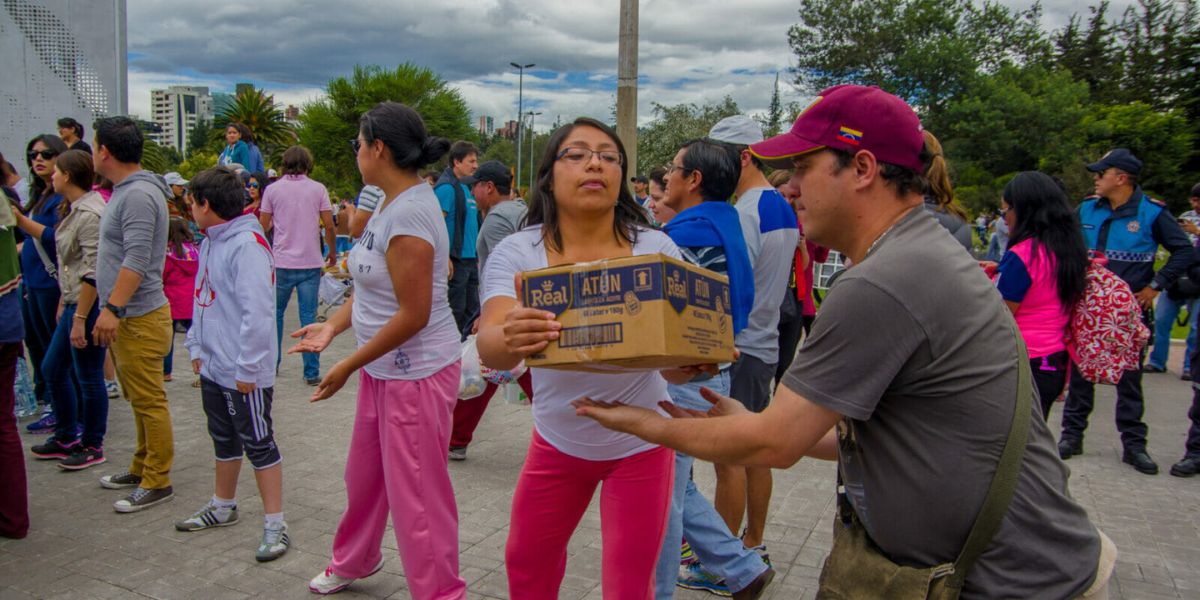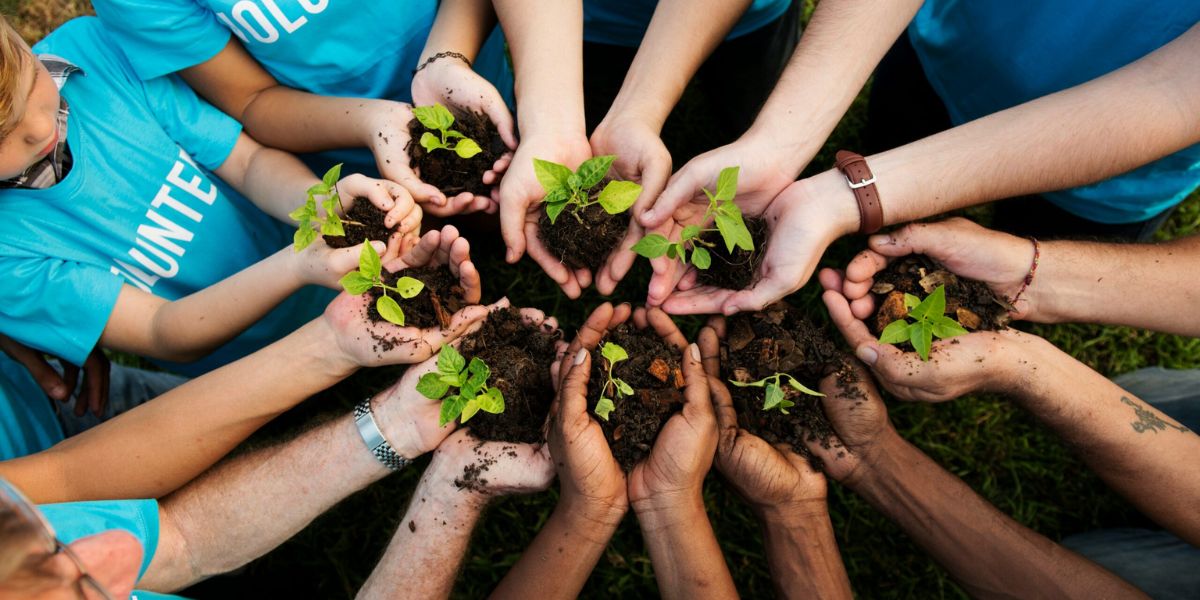
Across the country, thousands of people are taking action to protect the planet by joining environmental volunteer movements. From cleaning up local parks to restoring wildlife habitats and advocating for climate change awareness, these efforts are helping shape a greener, more sustainable America. But how can everyday citizens get involved? This article explores the growing movement of environmental volunteering across the U.S. and how you can play a role in driving meaningful change.
The Rise of Environmental Volunteering in America
Over the past decade, environmental volunteering has grown rapidly as more Americans recognize the urgent need to protect natural resources. Organizations such as The Nature Conservancy, Sierra Club, and EarthCorps have expanded nationwide initiatives to engage communities in hands-on projects—from reforestation efforts to urban garden development.
Table of Contents
This surge in participation highlights a broader cultural shift: people are no longer waiting for policymakers alone to take action. They’re stepping up locally to make immediate, tangible impacts. Whether it’s planting trees in urban spaces or helping remove plastic waste from coastlines, volunteers are proving that small efforts, when multiplied, create major results.
Ways to Participate in Environmental Volunteer Programs
Getting involved in environmental volunteering doesn’t require specialized skills—just a willingness to help. Opportunities exist in almost every state and can fit nearly any schedule or interest.
Popular volunteer options include:
- Community cleanups: Many local organizations host monthly or seasonal cleanups in parks, beaches, and rivers. These events typically welcome all ages.
- Tree planting initiatives: Cities like Denver, Austin, and Seattle often organize tree-planting drives to increase canopy cover and reduce pollution.
- Wildlife conservation projects: Volunteers can support rehabilitation centers, bird-monitoring programs, or national park conservation activities.
- Recycling and waste management programs: Municipalities frequently partner with nonprofits to promote recycling awareness and reduce landfill waste.
You can find opportunities through platforms like VolunteerMatch, AmeriCorps, or directly via city sustainability offices. Many states also maintain their own environmental departments that list active community projects.
The Benefits of Volunteering for the Environment
Beyond the ecological impact, environmental volunteering offers deep personal and community rewards.
Participants often report improved mental health, a greater sense of purpose, and a strengthened connection to nature. Volunteering outdoors promotes physical activity, fosters friendships, and creates a shared sense of achievement.
On a community level, environmental volunteer work builds stronger local networks and encourages sustainable behaviors. When individuals see their neighbors actively working to preserve shared spaces, it inspires broader civic participation and environmental awareness.
How Businesses and Schools Are Joining the Effort
Many businesses and educational institutions across the U.S. are recognizing the value of environmental engagement. Corporations are increasingly launching employee volunteer programs that contribute labor hours to local sustainability projects. Schools and universities have also integrated service-learning programs where students earn credit by contributing to conservation and clean energy projects.
These partnerships strengthen the link between civic responsibility and environmental stewardship, ensuring that future generations continue to prioritize the planet’s wellbeing.
Supporting Environmental Nonprofits and Advocacy
If you can’t volunteer in person, there are still impactful ways to contribute. Donating to trusted environmental organizations helps fund conservation efforts, research, and climate advocacy. Groups like the National Audubon Society, Ocean Conservancy, and American Forests rely on donations and volunteers alike to expand their programs.
Additionally, spreading awareness through social media or attending local sustainability workshops can amplify environmental causes and encourage others to get involved.
As climate change continues to challenge ecosystems nationwide, even small contributions—like sharing educational resources—help drive long-term change.
Using Technology to Support Green Efforts
Technology is playing a growing role in modern volunteerism. Apps and websites allow volunteers to track cleanup efforts, report pollution, and even participate virtually. For instance, platforms like Litterati encourage people to log and map litter they collect, while iNaturalist enables citizen scientists to record wildlife observations for research.
These tools make environmental volunteering more accessible and data-driven, showing that digital innovation can complement traditional on-ground action.
A Greener Future Starts Locally
Every action counts—whether it’s picking up litter during a walk, joining a weekend cleanup, or advocating for stronger environmental policies. The collective energy of volunteers across the U.S. is transforming local ecosystems and inspiring future generations to care for their surroundings.
Environmental volunteerism isn’t just about protecting nature—it’s about building resilient, connected communities that care about the planet’s future.
What’s stopping you from getting involved? Take the first step toward sustainability today by joining a volunteer initiative near you. Explore more inspiring stories and community opportunities at PKCM.org.