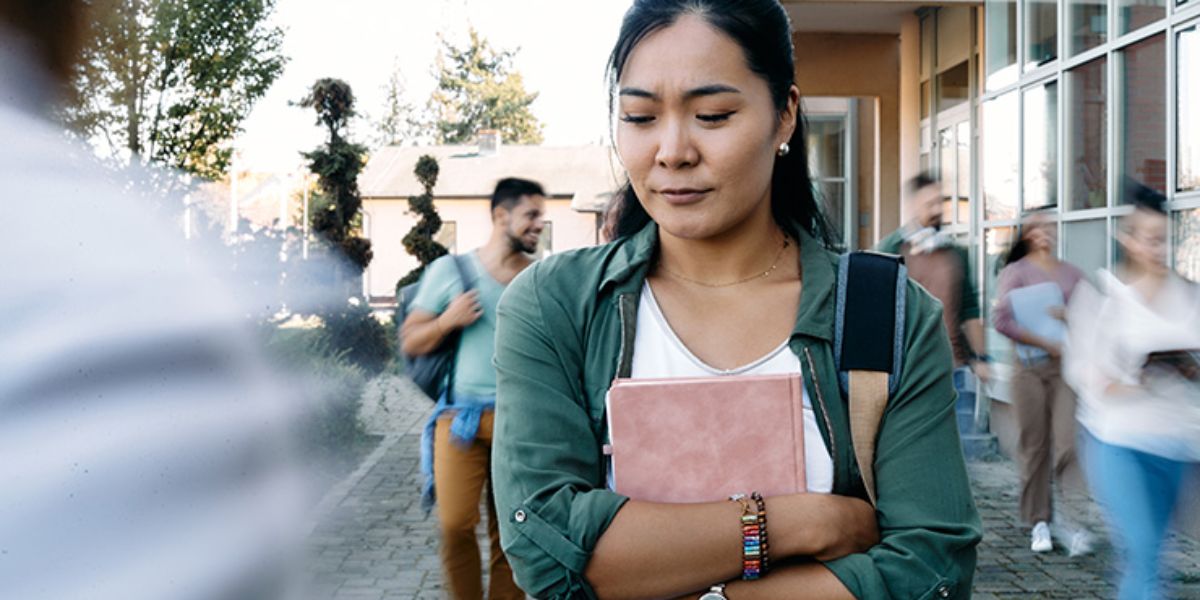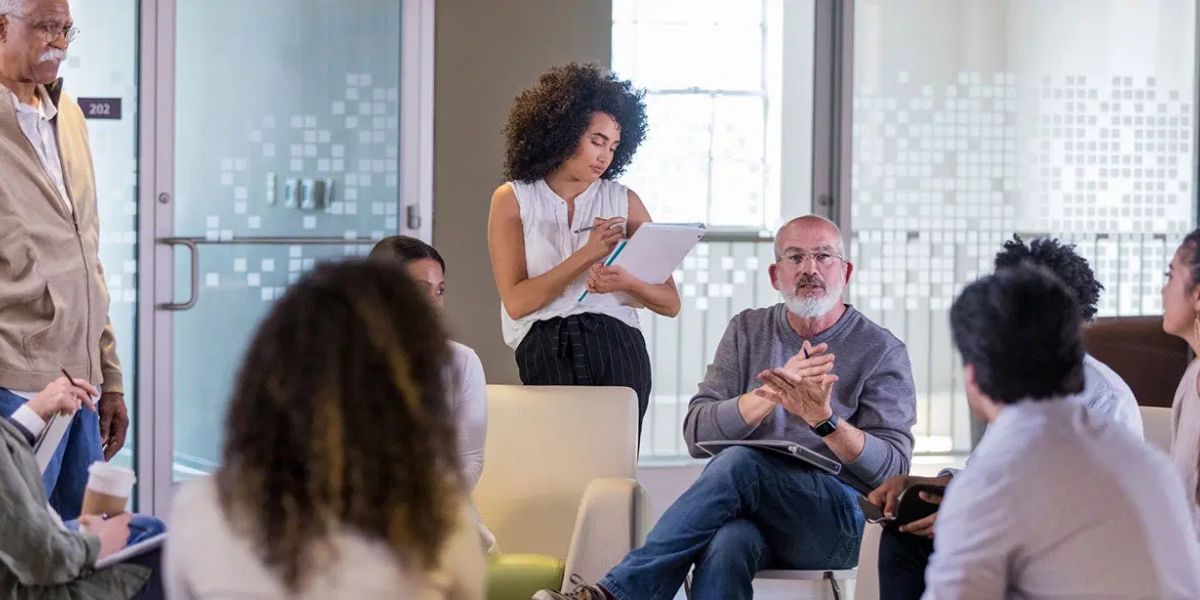
As America’s population ages, one growing concern stands out—social isolation among seniors. Across the country, millions of older adults face loneliness, often due to the loss of loved ones, health limitations, or reduced mobility. But while the challenge is serious, communities nationwide are finding hope through group support networks that help older Americans reconnect, rebuild confidence, and restore a sense of belonging.
Understanding the Impact of Isolation on Older Adults
Social isolation doesn’t just affect emotional well-being—it can have measurable impacts on health. According to research from the Centers for Disease Control and Prevention (CDC), loneliness among older adults has been linked to increased risks of heart disease, dementia, depression, and even premature death. The lack of regular social contact can lead to cognitive decline, sleep problems, and reduced physical activity.
Table of Contents
Many seniors experience isolation after retirement or the loss of a spouse, while others face barriers such as limited transportation, mobility issues, or fear of burdening family members. Recognizing this, communities across the United States are working to ensure older adults have consistent access to group-based social and emotional support.
The Role of Group Support Networks
Group support networks—ranging from in-person community gatherings to virtual peer circles—are becoming essential lifelines for America’s aging population. These groups provide a structured way for seniors to engage, share experiences, and build meaningful relationships.
Faith-based organizations, senior centers, and nonprofits are leading the charge. For example, programs like Senior Companions and AARP’s Connect2Affect initiative encourage seniors to volunteer or participate in regular community discussions. These settings help reduce feelings of isolation by fostering purpose and friendship among participants.
The lesson here is simple but profound: connection heals. Older adults who engage in group activities are more likely to maintain mental sharpness, emotional resilience, and an improved sense of well-being.
How Technology Is Expanding Access
In an increasingly digital world, technology has become a bridge between isolated seniors and their communities. Video chat platforms like Zoom and Google Meet have made it easier for older adults to join virtual support groups, attend online workshops, or simply talk with friends across the country.
Organizations such as Senior Planet provide training that helps older adults learn digital tools for communication and participation. This digital inclusion allows seniors—especially those in rural areas or living alone—to access companionship and guidance from the comfort of their homes.
However, for technology-based support to be effective, digital literacy remains crucial. Communities that pair virtual engagement with tech education are helping ensure that no senior is left behind in today’s connected world.
The Emotional Benefits of Shared Experiences
Group support networks do more than facilitate conversations—they create shared spaces of understanding. Seniors dealing with grief, chronic illness, or life transitions often find comfort in knowing others face similar challenges.
“When I joined my local senior circle, I realized I wasn’t alone,” shared one participant in a Washington-based aging support group. “Now, I have people who check in on me, share laughs, and make every week something to look forward to.”
These emotional connections foster self-worth and purpose, which are essential for combating isolation and depression among older adults.
Community-Based Programs Making a Difference
Cities across the U.S. are building inclusive programs tailored to seniors’ needs. In Chicago, local libraries host weekly social clubs for retirees. In Portland, community centers combine exercise, art classes, and mental health discussions for aging residents. Faith-based and civic groups are also partnering with healthcare providers to identify isolated seniors and connect them with nearby support networks.
The takeaway from these initiatives is that combating loneliness requires a community-wide approach—combining compassion, structure, and consistent outreach.
Encouraging Intergenerational Connections
Some of the most effective support programs integrate multiple generations. Intergenerational mentoring and shared learning activities—such as tutoring, cooking, or storytelling—allow seniors to exchange wisdom while benefiting from youthful energy and companionship.
These efforts help bridge generational divides and remind older adults that their experience and contributions remain deeply valued in today’s society.
Conclusion: Strengthening the Circle of Care
The growing awareness of senior isolation in America has inspired communities to rethink how they care for older adults. From neighborhood circles to nationwide virtual support programs, the expansion of group support networks has become a cornerstone of healthy aging.
By promoting empathy, engagement, and access to resources, these networks do more than fight loneliness—they restore connection and dignity. As more communities adopt these approaches, the path toward a more inclusive and supportive environment for aging Americans becomes clearer.
Looking to strengthen community support for seniors in your area? Explore more stories, programs, and resources at PKCM.org to learn how you can make a difference.