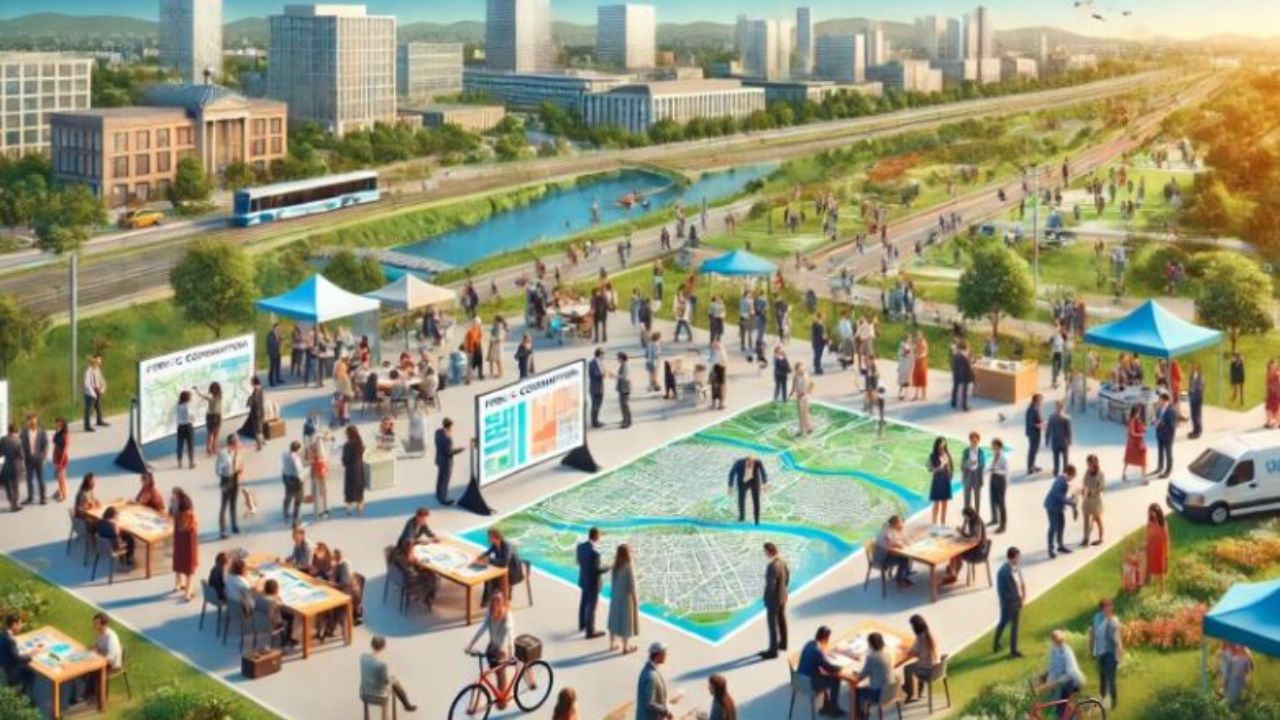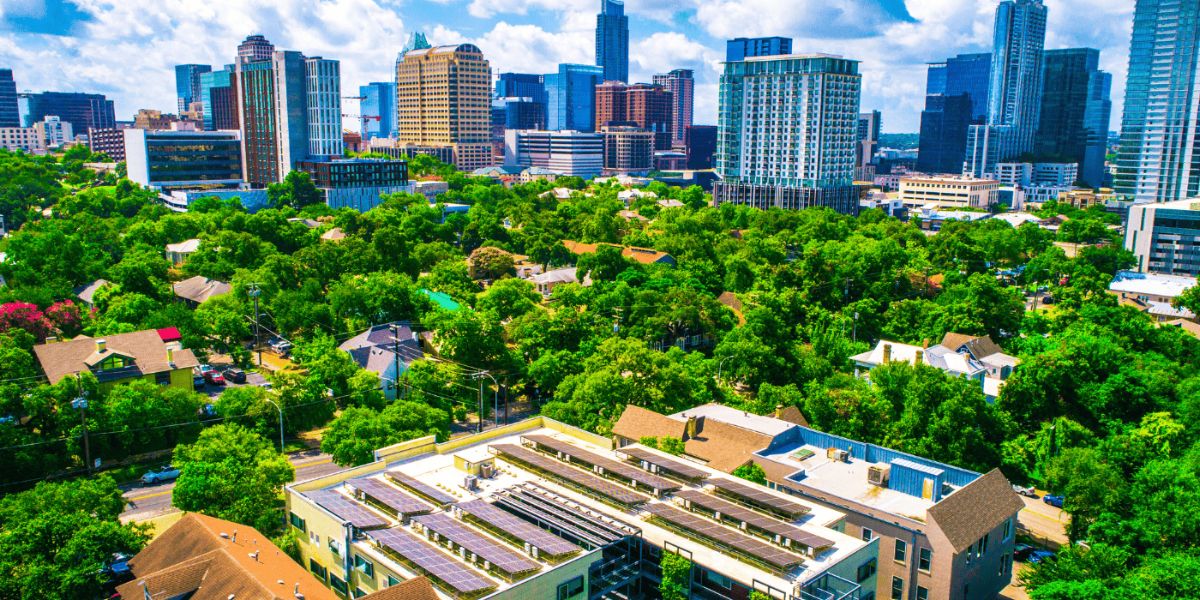
Community growth in the 21st century is about more than economic expansion — it’s about resilience, equity, and shared prosperity. Cities like Portland, Oregon, and Austin, Texas, have demonstrated that environmentally responsible practices can fuel vibrant communities without compromising quality of life.
When cities invest in sustainability, they create cleaner air, safer neighborhoods, and stronger economies. Moreover, communities that prioritize sustainable practices attract businesses and residents who value long-term well-being over short-term gains. This connection between sustainability and growth highlights the importance of integrating environmental, social, and economic goals into city planning.
Table of Contents
Promoting Green Infrastructure in Urban Areas
One major lesson from U.S. cities is the role of green infrastructure in fostering sustainable community growth. Green roofs, rain gardens, and tree-lined streets not only beautify neighborhoods but also help manage stormwater, reduce urban heat, and improve air quality.
Cities such as Philadelphia have led the way with programs like Green City, Clean Waters, which integrates sustainable landscaping to reduce stormwater runoff. Similarly, Los Angeles is transforming vacant lots into green community spaces to improve environmental health and neighborhood connectivity.
These efforts demonstrate that urban sustainability begins with thoughtful infrastructure design that benefits both people and the planet.
Encouraging Renewable Energy and Energy Efficiency
The transition to renewable energy is another cornerstone of sustainable community growth. Cities like Denver, Colorado, and San Diego, California, have adopted ambitious goals to achieve 100% renewable energy within the next two decades.
Community solar programs, local wind initiatives, and city-sponsored energy-efficiency rebates encourage residents and businesses to participate directly in sustainability efforts. By lowering energy costs and reducing dependency on fossil fuels, renewable energy programs not only protect the environment but also empower local economies and create jobs.
The key takeaway: when communities invest in clean energy, they invest in their own long-term prosperity.
Supporting Local Food Systems and Sustainable Agriculture
Food sustainability plays a crucial role in community health and economic stability. Across U.S. cities, urban farming and community gardens are becoming powerful tools for both sustainability and social inclusion.
For instance, Detroit’s urban agriculture movement has transformed vacant land into thriving farms that provide fresh produce and employment for local residents. Similarly, farmers’ markets in Seattle and Minneapolis promote local food consumption and strengthen community bonds.
By supporting sustainable agriculture, cities can reduce their carbon footprint, improve food security, and promote healthier lifestyles among residents.
Building Sustainable Transportation Systems
Transportation is another area where sustainable practices drive community growth. U.S. cities are increasingly investing in public transit, bike-sharing programs, and pedestrian-friendly urban design.
New York City’s Vision Zero initiative, for example, has focused on reducing traffic accidents while encouraging more walkable neighborhoods. Denver’s electric bus network and San Francisco’s BART expansion also reflect how cities are prioritizing accessibility and reducing vehicle emissions.
A strong transportation network not only connects residents but also creates economic opportunities, reduces congestion, and improves overall quality of life.
Community Education and Engagement for Sustainability
Sustainability thrives when residents are informed and engaged. Successful U.S. cities understand that community participation is critical for long-term environmental progress. Programs that teach recycling, energy conservation, and sustainable living habits have been instrumental in changing behavior at the local level.
For example, Boulder, Colorado’s Eco-Cycle initiative educates citizens on waste reduction and composting. Similarly, San Francisco’s sustainability programs involve residents in neighborhood clean-up drives, renewable energy awareness, and climate adaptation planning.
These educational efforts show that when citizens understand the value of sustainability, they become active partners in driving community change.
Integrating Equity into Sustainability Efforts
Sustainability is not just about protecting the environment—it’s about ensuring that all community members benefit from progress. Many cities are now focusing on environmental justice, addressing how pollution and resource inequality disproportionately affect low-income and minority neighborhoods.
Programs in cities like Atlanta and Oakland are tackling this issue by integrating affordable housing with green design and ensuring that sustainability programs include job opportunities for marginalized groups.
This inclusive approach ensures that sustainability and equity grow together, creating communities that are both just and resilient.
Conclusion: The Future of Sustainable Communities in America
Sustainability is no longer optional—it’s essential for community growth in the United States. The lessons learned from forward-thinking cities show that environmental responsibility, social equity, and economic vitality are interconnected.
As more communities adopt sustainable practices—whether through clean energy, green infrastructure, or inclusive planning—they lay the foundation for a healthier, more connected future.
What do you think? How is your community working toward sustainability? Share your insights in the comments below and explore more ideas on PKCM.org to see how sustainable practices can inspire positive change in your city.