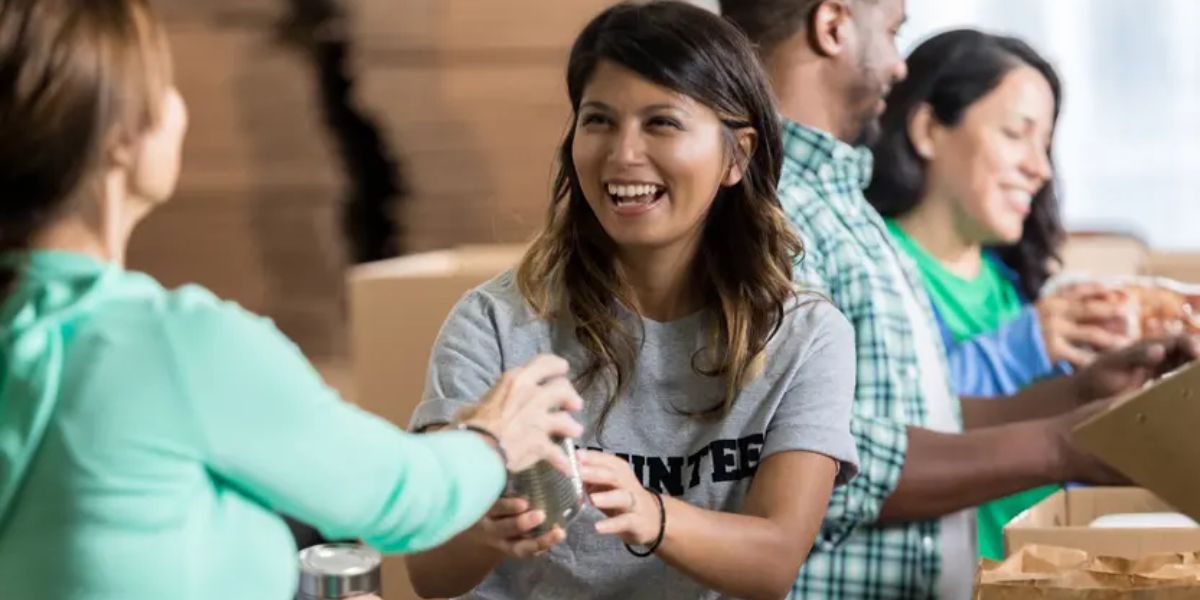
In an age where many Americans feel disconnected and overwhelmed by economic and social challenges, volunteering has re-emerged as one of the most powerful ways to rebuild community bonds. From disaster recovery and food drives to mentoring youth and supporting local shelters, volunteers form the backbone of thriving neighborhoods across the country. As the U.S. navigates complex issues—from public health crises to housing insecurity—community service is more vital than ever.
The Evolving Role of Volunteers in America
Over the past few decades, volunteering in the U.S. has transformed from a weekend activity into an essential part of civic life. Traditionally, volunteer work was associated with churches, schools, and local charities. Today, it extends to digital platforms, corporate volunteer days, environmental projects, and mutual aid networks that respond to emergencies in real time.
Table of Contents
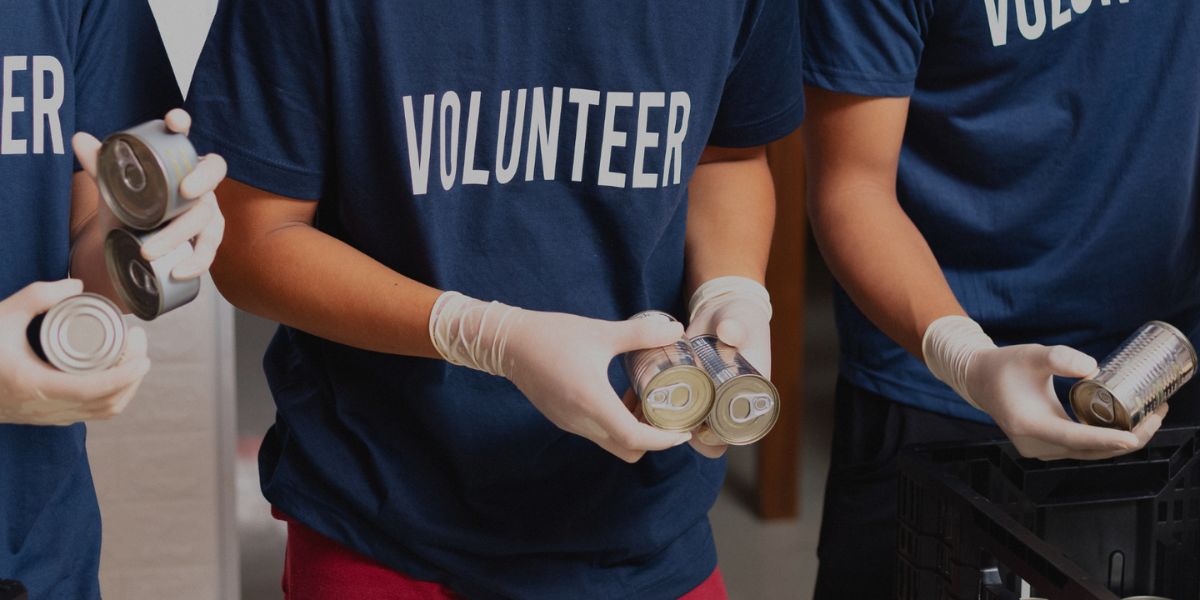
For instance, during the COVID-19 pandemic, volunteers distributed food, helped seniors access telemedicine, and supported children’s virtual learning. These efforts highlighted how community-led action can fill critical gaps where government or private systems fall short. The lesson is clear: volunteers don’t just support communities—they sustain them.
Why Volunteering Matters More in 2025
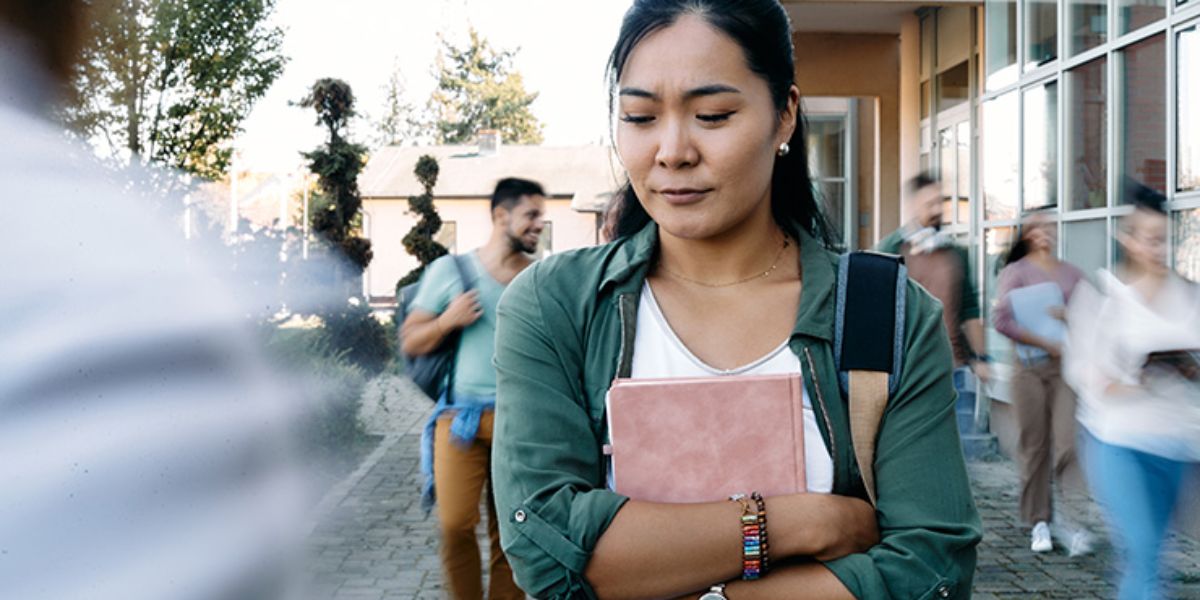
In 2025, many U.S. communities are dealing with rising living costs, housing shortages, and increasing isolation. Social trust has declined in several parts of the country, but volunteering remains a bridge—connecting people across backgrounds and fostering shared purpose.
Volunteering provides tangible benefits for individuals and communities alike:
- Emotional wellbeing: Studies show that volunteering reduces stress and improves happiness.
- Skill development: Volunteers often gain leadership, teamwork, and communication experience.
- Stronger communities: Local projects—from park cleanups to mentoring youth—directly enhance neighborhood safety and connection.
As one volunteer in Detroit put it,
“When you help your neighbors, you’re not just fixing a problem—you’re rebuilding trust.”
Community Programs Making a Difference
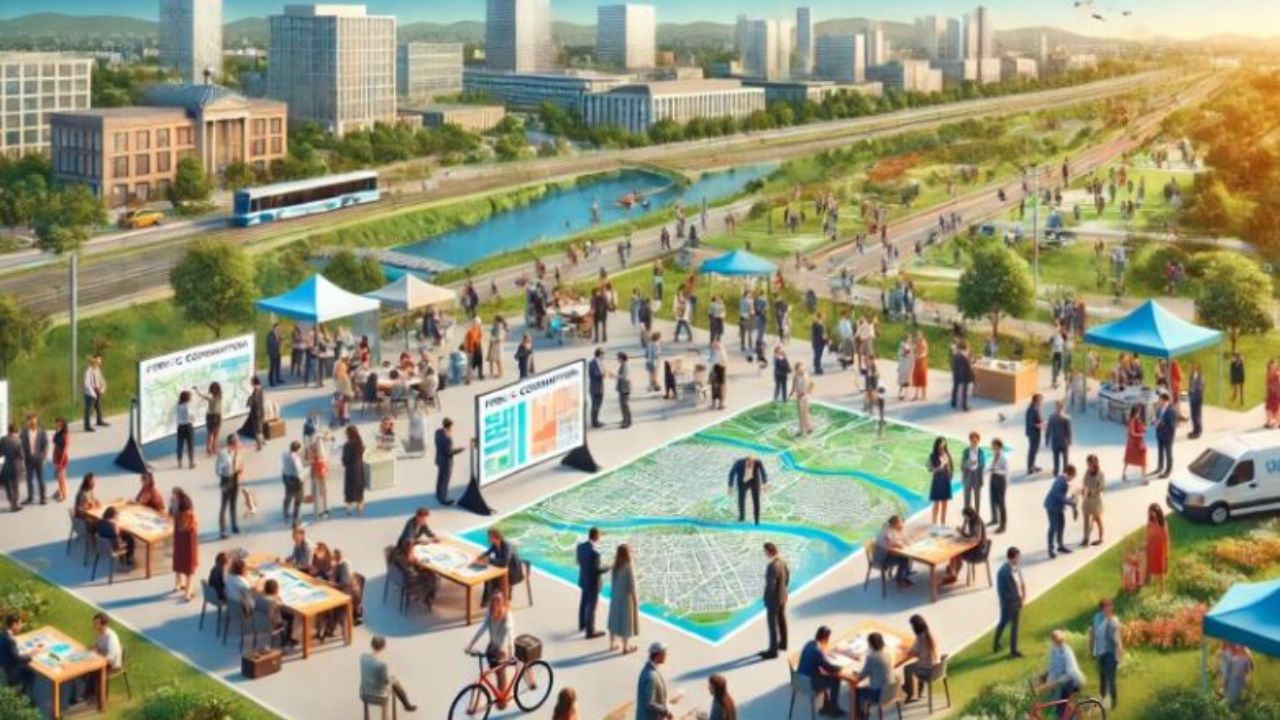
Cities across the United States are proving how impactful volunteer initiatives can be when properly organized and supported.
- Los Angeles: Nonprofits like L.A. Works mobilize thousands of volunteers annually for education, homelessness, and environmental causes.
- Chicago: Local “Adopt-a-Block” programs empower residents to take ownership of their neighborhoods, promoting cleanliness and community pride.
- New Orleans: Volunteer-led rebuilding projects after hurricanes have shown how collective action speeds up recovery and fosters resilience.
These examples remind us that every act of service—big or small—creates ripples of positive change across cities and towns.
Corporate Volunteering and the New Era of Social Responsibility
More U.S. companies are recognizing that corporate volunteering isn’t just good PR—it’s good for people and business. Organizations like Salesforce and Google now give employees paid volunteer days, encouraging them to engage with their local communities.
This movement represents a new era of corporate citizenship, where businesses play an active role in social wellbeing. Employees report feeling more fulfilled and connected when their workplaces support giving back. It’s a win-win that strengthens both morale and the community.
How to Get Involved in Your Local Community
Volunteering opportunities are everywhere—you just need to know where to look.
Here are some ways to get started:
- Local Nonprofits: Check with community centers, food banks, and shelters.
- Schools and Libraries: Offer tutoring or literacy support for students.
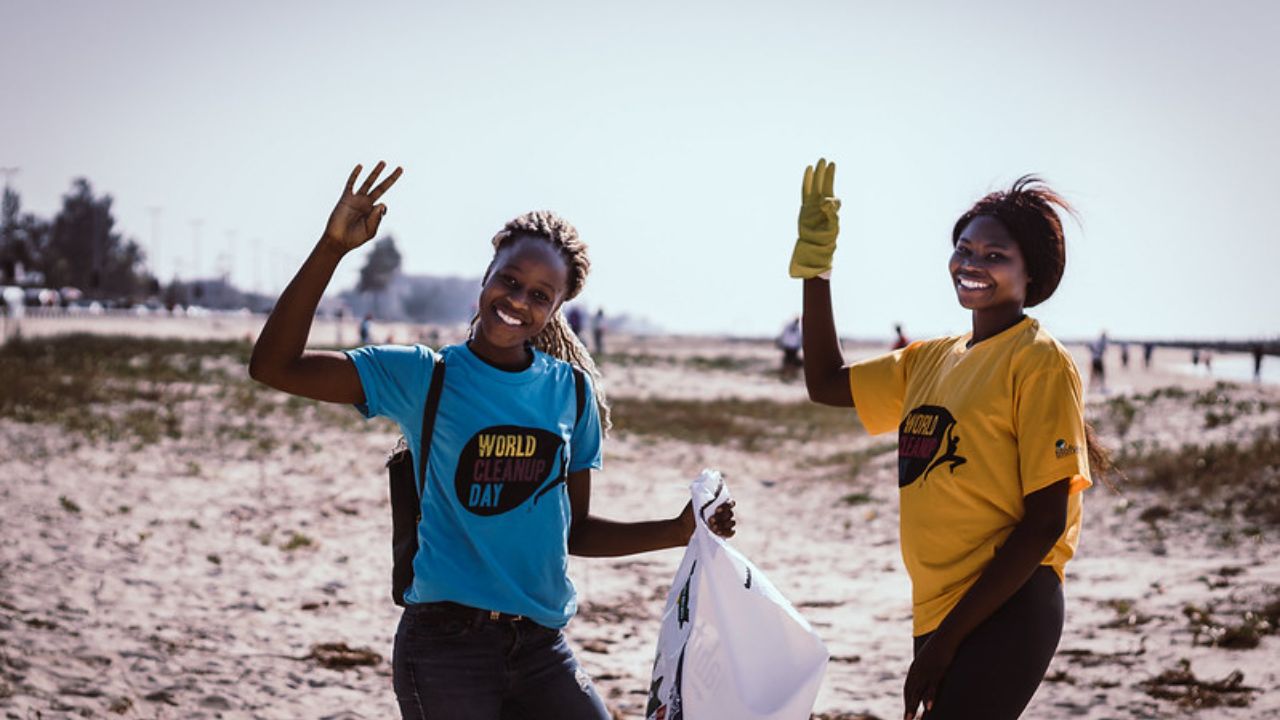
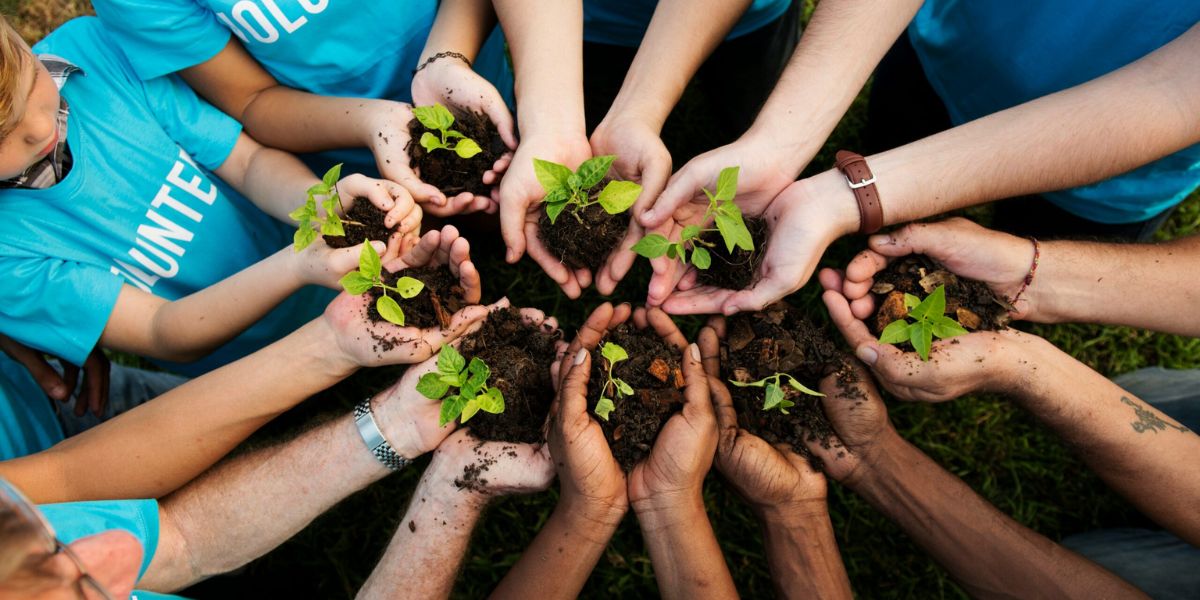
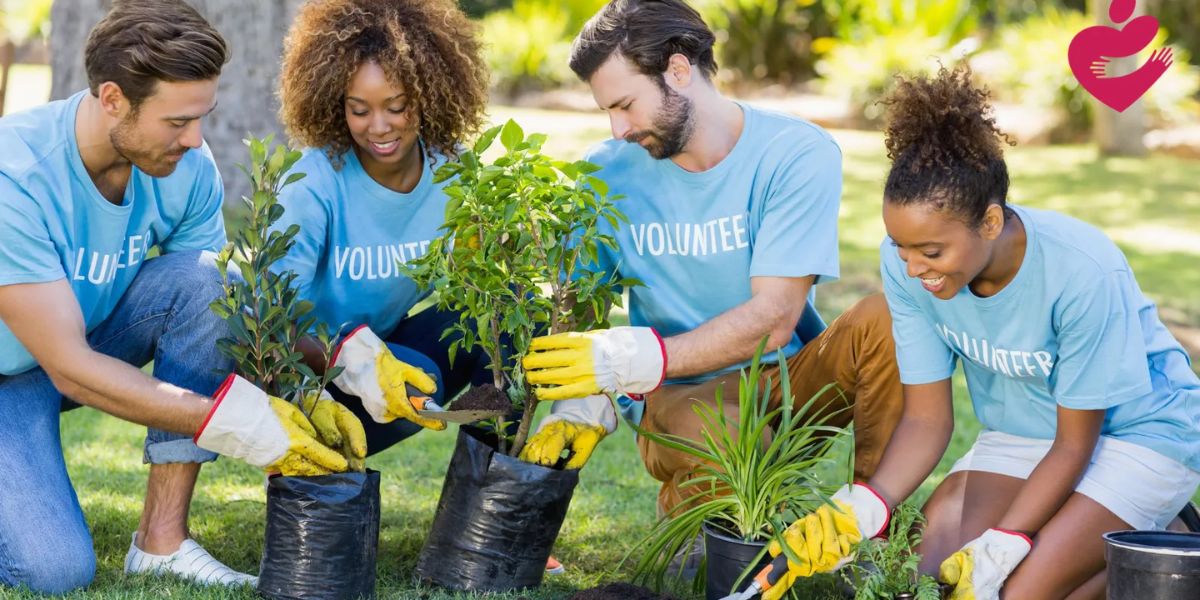
- Environmental Groups: Join clean-up drives or tree-planting events.
- Faith-Based Organizations: Participate in outreach or mentorship programs.
- Online Platforms: Sites like VolunteerMatch or AmeriCorps list projects based on location and interests.
Remember, you don’t need to commit hundreds of hours—even one day a month can make a lasting impact.
The Ripple Effect of Kindness
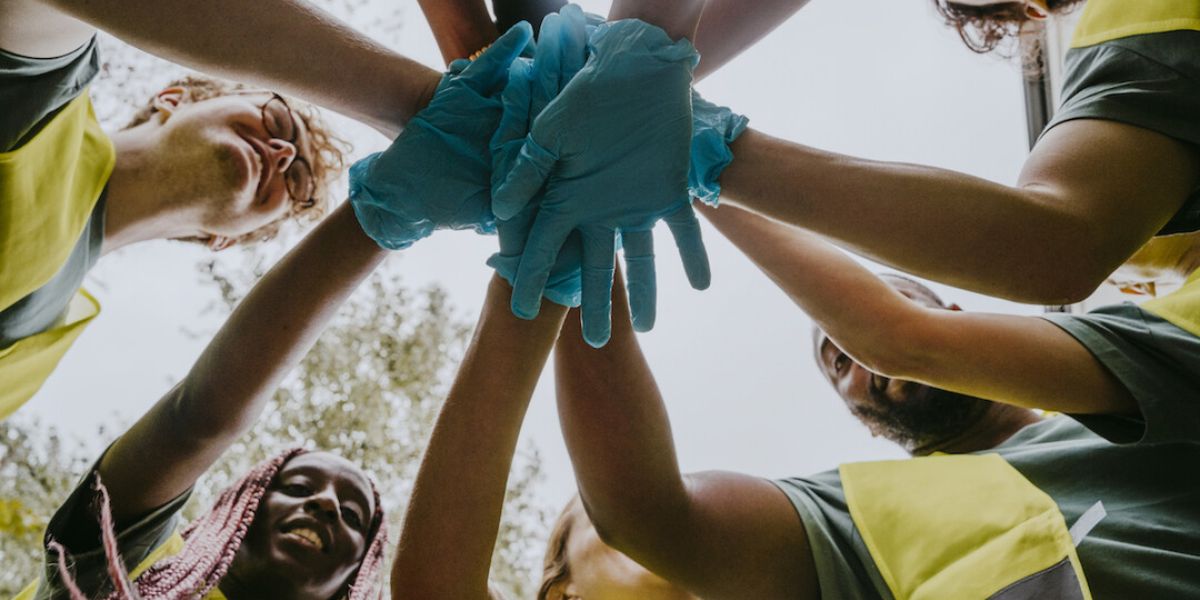
Volunteering does more than address immediate needs—it builds stronger human connections. When people work side by side for a shared cause, barriers fade, and empathy grows. From small towns to big cities, this human connection is what keeps communities resilient during challenging times.
“The best way to find yourself is to lose yourself in the service of others.” – Mahatma Gandhi
In today’s divided world, that message feels more relevant than ever.
Conclusion: The Future of Volunteering in America
The call to serve has never been more urgent—or more meaningful. Volunteering is not only about helping others; it’s about restoring a sense of belonging and hope. As America faces the future, community service stands as one of the strongest tools for unity and progress.
Every volunteer hour counts. Whether you’re mentoring a student, supporting veterans, or helping rebuild after a storm, you are contributing to something far greater than yourself.
Want to make a difference? Explore local opportunities and learn how you can support your community today at PKCM.org. Together, we can build stronger, kinder, and more connected communities across the nation.