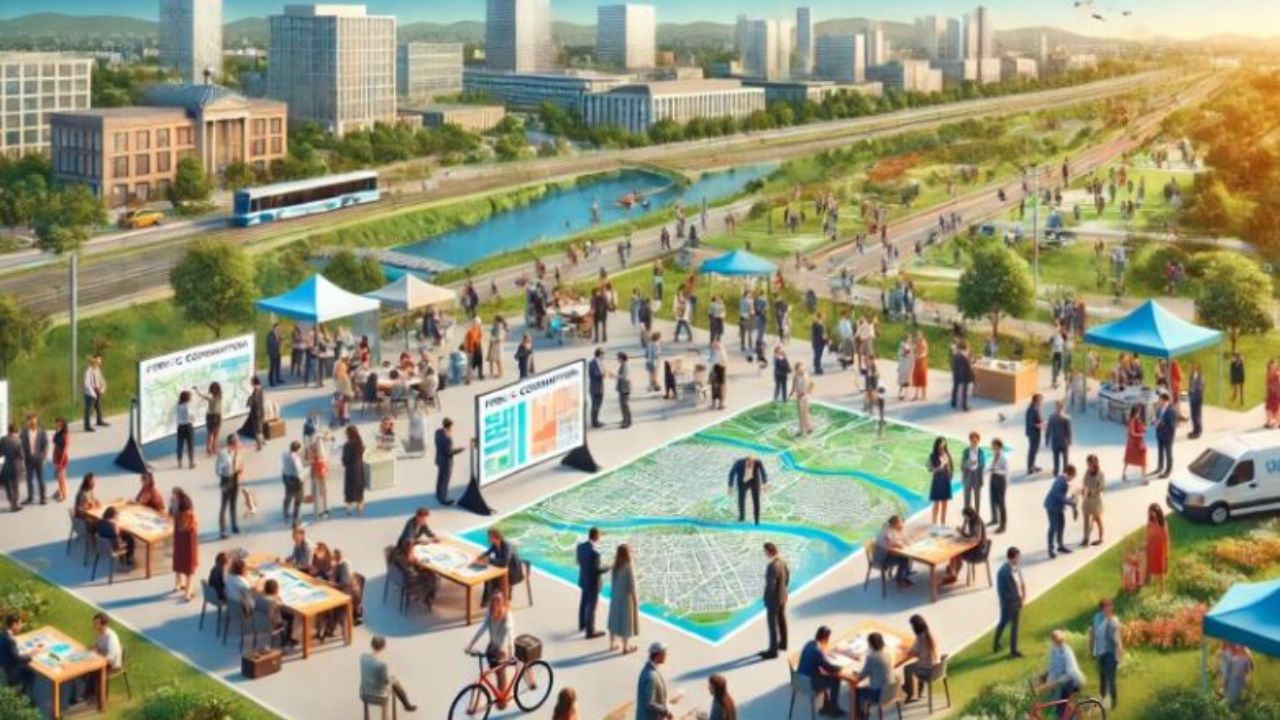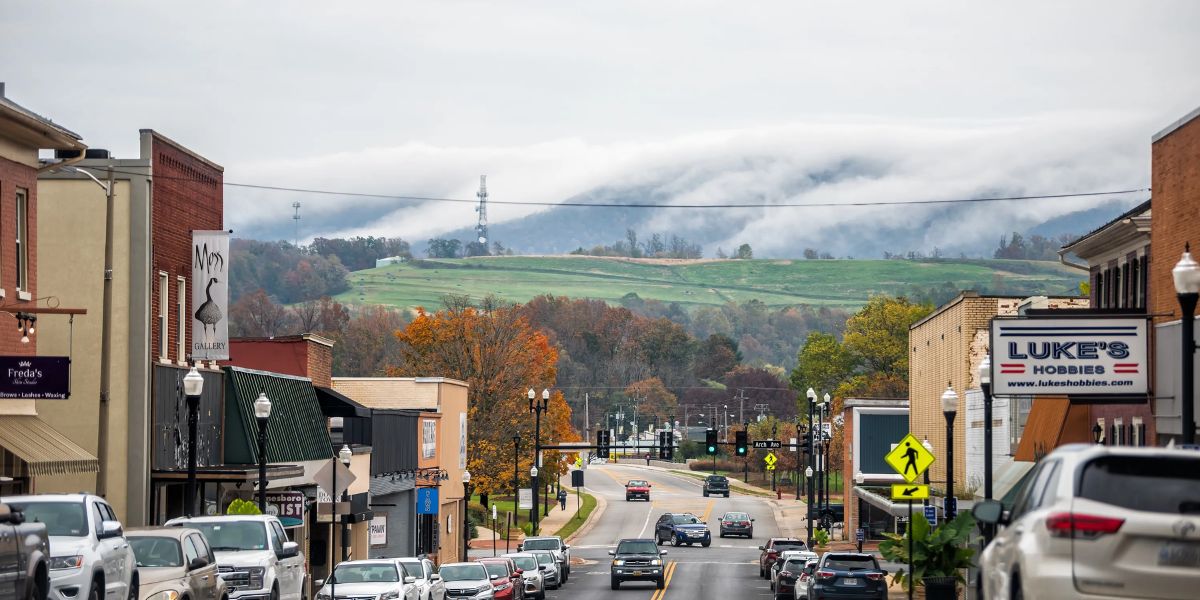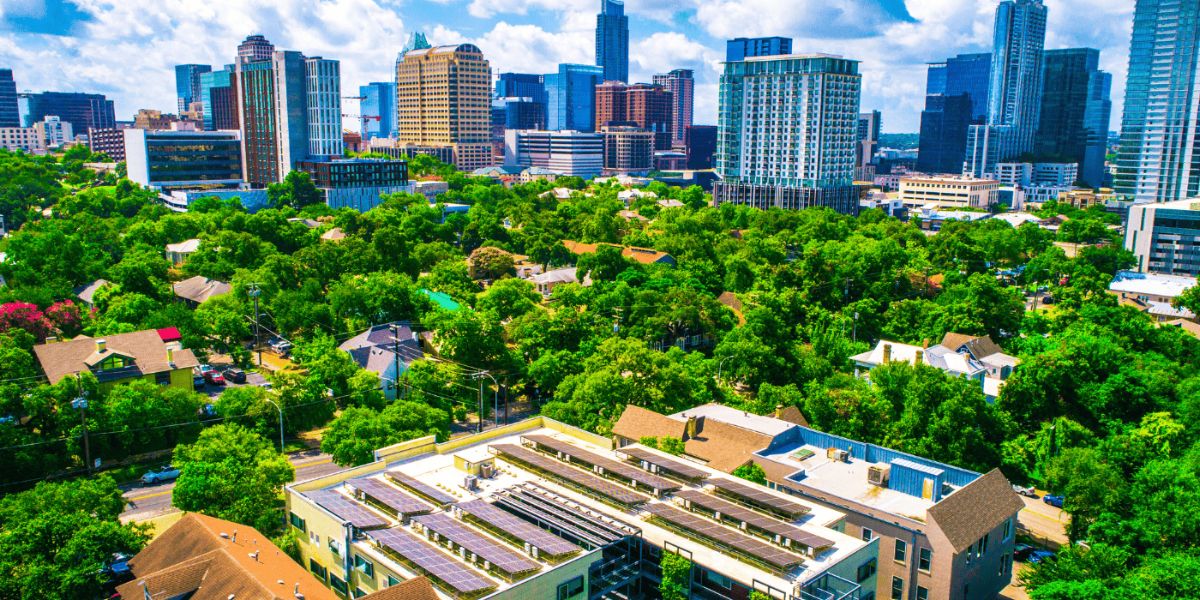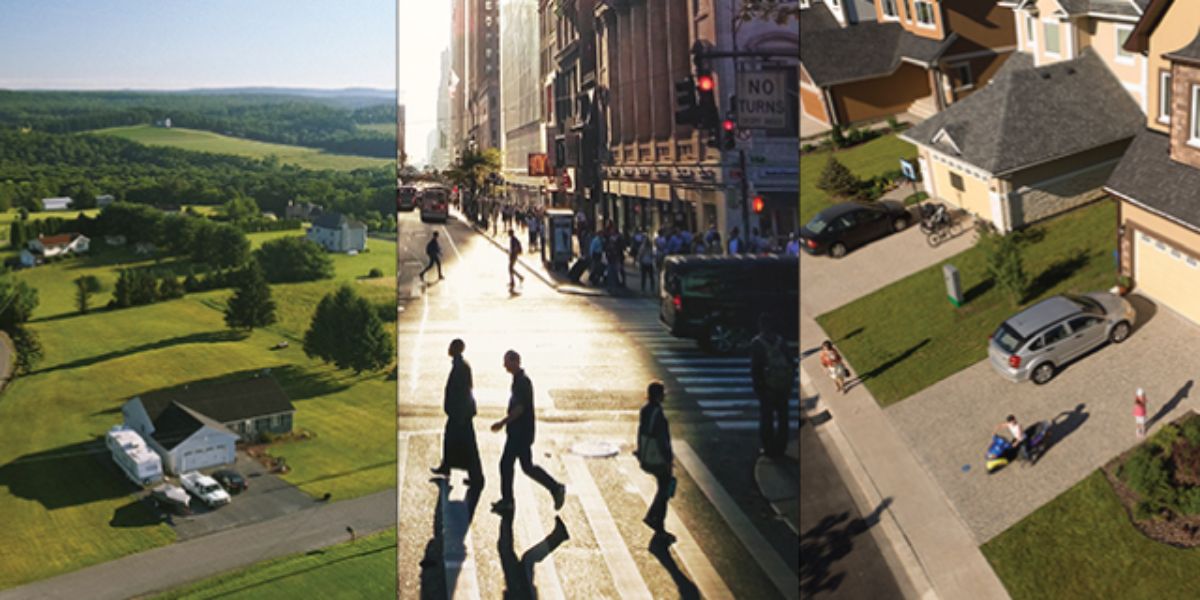
The growth of communities in America looks very different depending on whether you’re in an urban or rural setting. Cities are experiencing rapid development, technological integration, and diverse populations, while rural areas face unique challenges related to resources, infrastructure, and migration. Both settings, however, offer opportunities to create thriving, resilient communities. Let’s explore the challenges and opportunities in urban and rural community growth across the United States.
Understanding the Dynamics of Urban Community Growth
Opportunities in U.S. Cities
Urban communities are hubs of innovation and diversity. With strong infrastructure, access to healthcare, education, and employment opportunities, cities are attractive to individuals and families looking for upward mobility. Cities like New York, Chicago, and Los Angeles have long been centers of cultural exchange, economic growth, and technological advancement.
Table of Contents
Urban communities also benefit from strong social networks and nonprofit support organizations that help address community challenges. These ecosystems create opportunities for partnerships and sustainable growth.
Challenges Facing Urban Growth
However, urban growth comes with challenges such as overcrowding, rising housing costs, and increasing income inequality. Cities like San Francisco and Seattle struggle with gentrification, where long-term residents are priced out of their neighborhoods. Infrastructure strain—such as traffic congestion and pollution—is another significant challenge.
The key lesson here is that while cities provide opportunities for growth and inclusivity, they must prioritize affordable housing, sustainable development, and equity-focused policies.
The Unique Realities of Rural Community Growth
Opportunities in Rural America
Rural communities offer opportunities often overlooked in discussions of community development. With lower living costs, strong family ties, and a sense of belonging, rural areas provide an environment where individuals can build close-knit, supportive communities. Rural America also plays a crucial role in agriculture, renewable energy development, and small-scale entrepreneurship.
Additionally, rural communities are increasingly adopting digital technology to connect with larger markets, expand education access, and improve healthcare delivery through telemedicine.
Challenges in Rural Development
Despite these opportunities, rural communities face unique challenges. Outmigration of younger populations to cities, limited access to healthcare, and lack of infrastructure are common issues. In states like West Virginia and Kentucky, communities often struggle with economic decline due to reduced job opportunities in industries like coal mining.
Another major challenge is connectivity. Many rural areas still lack reliable broadband internet, limiting access to remote jobs, online education, and digital resources that are essential in today’s economy.
Bridging the Urban-Rural Divide
Shared Challenges, Shared Solutions
While urban and rural communities may appear vastly different, both face challenges of affordability, equity, and sustainability. Both settings require intentional investments in housing, healthcare, education, and technology to ensure long-term growth.
For example, urban areas can learn from rural communities about fostering close-knit social connections, while rural areas can adapt urban strategies for economic diversification and innovation. Federal and state governments also play an important role in bridging the divide by investing in rural infrastructure and supporting urban affordable housing initiatives.
Technology as a Bridge
Technology is one of the most powerful tools in bridging the urban-rural divide. Expanding broadband access in rural areas can open doors to remote work, telehealth, and e-learning, while urban areas can use technology to improve traffic systems, housing planning, and public safety. Both urban and rural communities can benefit from digital inclusion initiatives that make technology accessible for all.
Building Inclusive Growth Across America
To ensure sustainable community growth, inclusivity must remain a priority. In urban areas, this means addressing housing affordability and preventing displacement. In rural communities, it means creating pathways for youth to remain and thrive while ensuring equitable access to services.
Collaboration between local governments, nonprofits, and community leaders is key. When urban and rural communities work together—sharing resources, knowledge, and innovation—they can collectively overcome barriers to growth.
Conclusion: The Future of Urban and Rural Community Growth
Urban and rural America each bring unique strengths to the nation’s development. Cities thrive on diversity, innovation, and economic power, while rural areas preserve strong traditions, provide vital resources, and maintain close community bonds.
The future of community growth lies in recognizing these strengths while addressing the challenges that hold communities back. By focusing on affordable housing, equitable access to technology, sustainable infrastructure, and inclusive policies, America can ensure both urban and rural communities grow together, creating a stronger, more resilient nation.
Want to explore more about building strong communities? Visit PKCM.org for resources, insights, and opportunities to get involved in community growth and outreach initiatives.