Across the nation, churches in the U.S. have long played a crucial role in supporting communities through local outreach programs. From food drives to youth mentorship and disaster relief, faith-based organizations have proven to be powerful agents of change. Their work often bridges the gap between government services and the needs of the people, especially in underserved areas. Let’s explore how U.S. churches have shaped, supported, and strengthened local outreach programs across the country.
Faith as a Foundation for Service
The foundation of most outreach programs begins with faith-based compassion. Churches see community service not just as charity but as a core expression of faith — a way to live out the message of love, hope, and service. This faith-driven motivation ensures that outreach programs remain consistent, personal, and community-centered.
Table of Contents
Churches have been known to provide a sense of belonging to those who feel isolated. Whether it’s a hot meal for the hungry, counseling for struggling families, or assistance for the unemployed, their service extends beyond religion — it touches humanity. The lesson here is simple: when service is rooted in faith, it carries lasting impact.
Building Community Through Local Partnerships
A key strength of church-led outreach lies in collaboration. Many churches work hand-in-hand with local nonprofits, schools, and small businesses to deliver resources more effectively. For example, churches in cities like Atlanta and Houston have partnered with food banks and health clinics to address hunger and healthcare disparities.
By combining faith-based compassion with the operational reach of community organizations, these partnerships achieve what neither group could accomplish alone. The success of such programs demonstrates that community transformation is strongest when different sectors work together.
Addressing Homelessness and Hunger
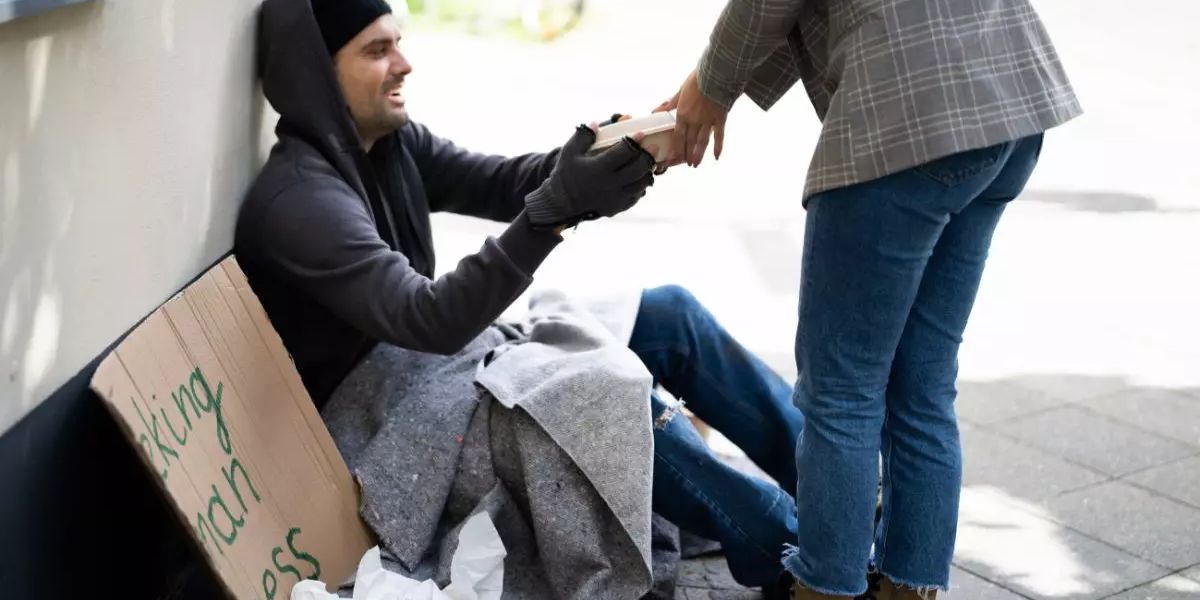
One of the most visible contributions of U.S. churches is in the fight against homelessness and hunger. Across states like California and Florida, church-led shelters and soup kitchens serve thousands daily. Programs such as Room in the Inn and Catholic Charities have become lifelines for families experiencing homelessness, offering not only food and shelter but also guidance, job support, and long-term recovery plans.
These ministries have evolved beyond providing temporary relief—they focus on restoring dignity and stability. Their long-standing presence in communities gives them a unique understanding of local needs, helping them respond with compassion and efficiency.
Supporting Youth and Families
Churches are also at the forefront of youth and family outreach. In many U.S. cities, churches operate after-school programs, mentoring sessions, and youth leadership workshops that keep young people engaged in positive activities. Programs like these not only help reduce crime and dropout rates but also promote community unity.
For families, churches often provide counseling, financial assistance, and workshops on parenting, health, and education. These programs are particularly vital in lower-income neighborhoods where such resources may be limited. The consistent presence of church volunteers and mentors helps build trust and long-term stability within the community.
Emergency Relief and Disaster Response
When disasters strike—whether hurricanes, wildfires, or floods—churches are often among the first responders. Their local roots and organized volunteer networks make them uniquely equipped to mobilize quickly. In areas hit by natural disasters, such as the Gulf Coast or Midwest, churches often serve as shelters, supply centers, and emotional support hubs.
Faith-based networks like Samaritan’s Purse and the Southern Baptist Disaster Relief teams provide large-scale assistance across states. Their commitment reflects the power of faith communities to act with speed, empathy, and coordination during times of crisis.
Promoting Health and Wellness
In recent years, U.S. churches have also stepped up to promote community health and wellness. Many have established free medical clinics, blood drives, and vaccination campaigns, especially in underserved areas. For example, churches in Mississippi and Louisiana have launched health initiatives addressing chronic diseases like diabetes and hypertension, working closely with local healthcare providers.
By combining spiritual and physical care, these churches embody a holistic approach to well-being, addressing both the body and the soul. Their programs show that true outreach involves nurturing every aspect of human life.
Fostering Racial and Social Reconciliation
Beyond material aid, churches have been instrumental in healing divisions within communities. Many congregations across the U.S. host dialogue circles, peace walks, and diversity workshops to address racial injustice and social inequality. These efforts are not only spiritually meaningful but socially transformative, helping bridge divides that policies alone cannot fix.
Through open conversations and shared service projects, faith leaders help foster empathy, understanding, and mutual respect — values that are essential to lasting social harmony.
Conclusion: Churches as Cornerstones of Community Outreach
The impact of U.S. churches on local outreach programs goes far beyond sermons or Sunday services. Their efforts demonstrate that faith can be a force for unity and healing, addressing practical needs while nurturing spiritual strength. From feeding the hungry to rebuilding after disasters, churches remain steadfast pillars of hope in American communities.
Their work reminds us that true outreach is not just about giving — it’s about building lasting relationships and empowering people to rise together. As cities continue to evolve, the faith-driven mission of U.S. churches will remain vital in shaping compassionate, connected, and resilient communities.
Want to get involved in faith-based community outreach near you? Visit PKCM.org to discover programs, volunteer opportunities, and inspiring stories of service making a real difference across the nation.