Urban communities across the U.S. are constantly evolving, facing unique challenges related to mental health, housing, employment, and social integration. One of the most effective ways to address these issues is through group support systems, which create networks of shared experience, resources, and resilience. From mental health peer groups to neighborhood coalitions, these systems play a crucial role in strengthening the fabric of city life.
Understanding the Role of Group Support in Cities
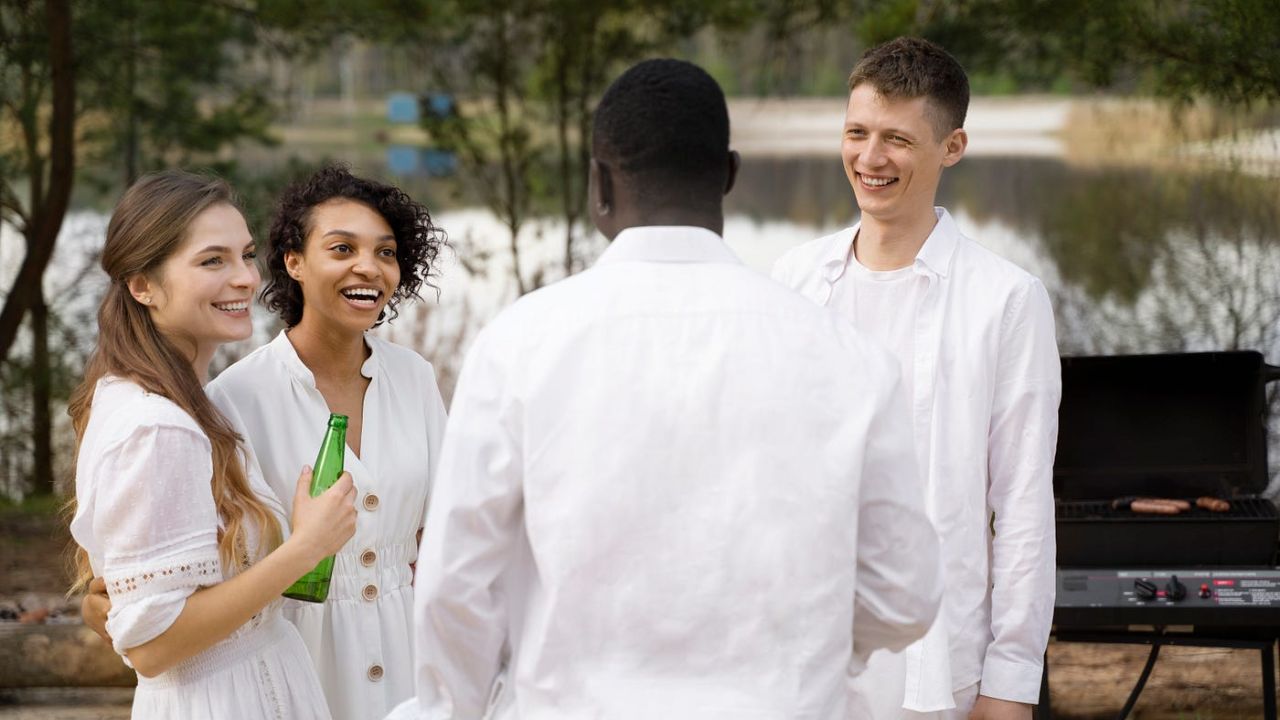
Group support systems are designed to bring people together around shared needs or goals. In urban areas, where populations are dense and diverse, these systems are vital for building social cohesion. Whether it’s a peer support group for addiction recovery, a community-based parenting circle, or housing assistance programs, these initiatives help individuals feel less isolated while addressing broader community issues.
Table of Contents
The lesson from many U.S. cities is clear: strong group support networks don’t just benefit individuals—they also create healthier, more resilient communities.
Community-Based Mental Health Support
Peer-to-Peer Groups
Mental health remains one of the most pressing issues in U.S. cities. Urban life often brings higher stress levels, and access to professional mental health care can be limited. Cities like New York and Los Angeles have seen the rise of peer-to-peer support groups that give residents a safe space to share experiences and coping strategies.
Faith-Based and Nonprofit Programs
Churches, nonprofits, and local organizations have also stepped in to fill gaps, offering counseling and support circles. These programs have been especially impactful in underserved urban neighborhoods, where professional services may be scarce or unaffordable.
Housing and Homelessness Support Systems
Community Housing Networks
Affordable housing is one of the biggest challenges in U.S. urban areas. Group support systems such as tenant unions and community land trusts allow residents to come together, advocate for fair housing, and share resources.
Homeless Outreach Programs
Cities like Seattle and San Francisco have implemented outreach initiatives where volunteers and nonprofits form networks to connect the homeless population with essential services. These group-driven efforts often succeed because they combine advocacy with compassion, ensuring people feel supported rather than marginalized.
Educational and Youth Support Systems
School-Based Support Groups
In cities such as Chicago and Philadelphia, schools have established peer mentoring programs and after-school support groups. These initiatives provide safe spaces for students to share their challenges, whether related to academics, bullying, or mental health.
Community Youth Programs
Urban youth are also supported by nonprofit organizations that focus on mentorship, job readiness, and life skills. These group systems help guide young people away from cycles of poverty or violence and toward positive futures.
Health and Wellness Group Support
Group-based wellness programs are another growing area of support. Cities like Denver have launched community fitness groups, nutrition workshops, and chronic illness management circles, where individuals facing similar health conditions can share strategies and encouragement.
By focusing on shared accountability and knowledge, these wellness groups often achieve better long-term health outcomes than individual efforts alone.
Leveraging Technology for Urban Group Support
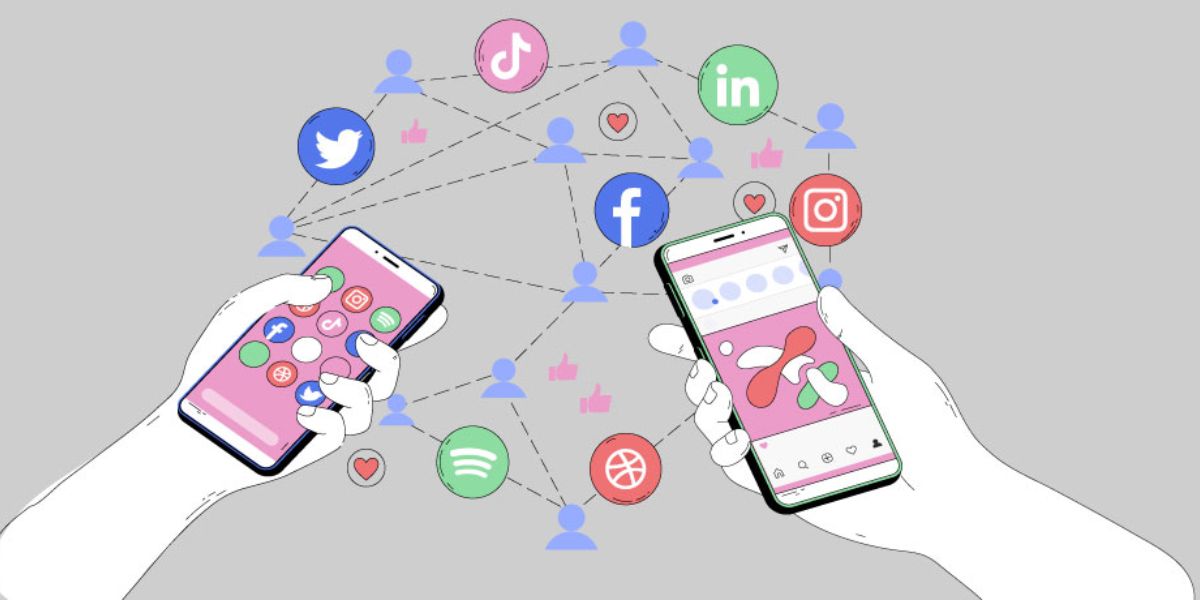
In the digital age, group support systems are no longer limited to physical meetings. Platforms like Zoom and community-based apps are helping urban residents form virtual support groups. Cities such as Boston have partnered with tech nonprofits to create digital hubs for connecting people to online peer support and resources.
Technology not only expands access but also provides anonymity for those who may be hesitant to join in-person groups, such as individuals struggling with addiction or trauma.
Challenges in Building Stronger Support Systems
While group support systems are effective, they face challenges such as:
- Funding limitations for nonprofits and grassroots organizations.
- Stigma around joining support groups, particularly for mental health.
- Accessibility barriers, especially for non-English speakers and marginalized communities.
- High turnover in urban populations, which can disrupt continuity of support networks.
Addressing these issues requires policy support, sustainable funding, and efforts to normalize group participation as part of urban life.
Conclusion: Building Resilient Communities Through Support
The future of America’s urban communities lies in their ability to strengthen group support systems that meet the diverse needs of residents. From mental health to housing, education, and digital inclusion, these networks are the backbone of resilience in cities.
When individuals come together to share experiences and resources, they not only overcome personal struggles but also contribute to stronger, more connected neighborhoods.
How is your city supporting group networks? Share your perspective in the comments below and explore more on building stronger communities at PKCM.org.