Building a strong sense of belonging within a community is essential for creating a supportive, inclusive, and thriving environment. Whether you live in a bustling urban city or a quieter suburban neighborhood, fostering belonging can help people feel connected, valued, and invested in the well-being of their local community. In this article, we explore practical strategies to help foster a deeper sense of belonging in your local U.S. community and the positive impact it can have on residents.
1. Cultivate Open and Inclusive Communication
One of the most effective ways to foster a sense of belonging is through open communication. People are more likely to feel they belong when they can express themselves, share their thoughts, and have a voice in decisions that affect them. To achieve this, communities should create platforms where all residents can engage in discussions, offer feedback, and share ideas.
Table of Contents
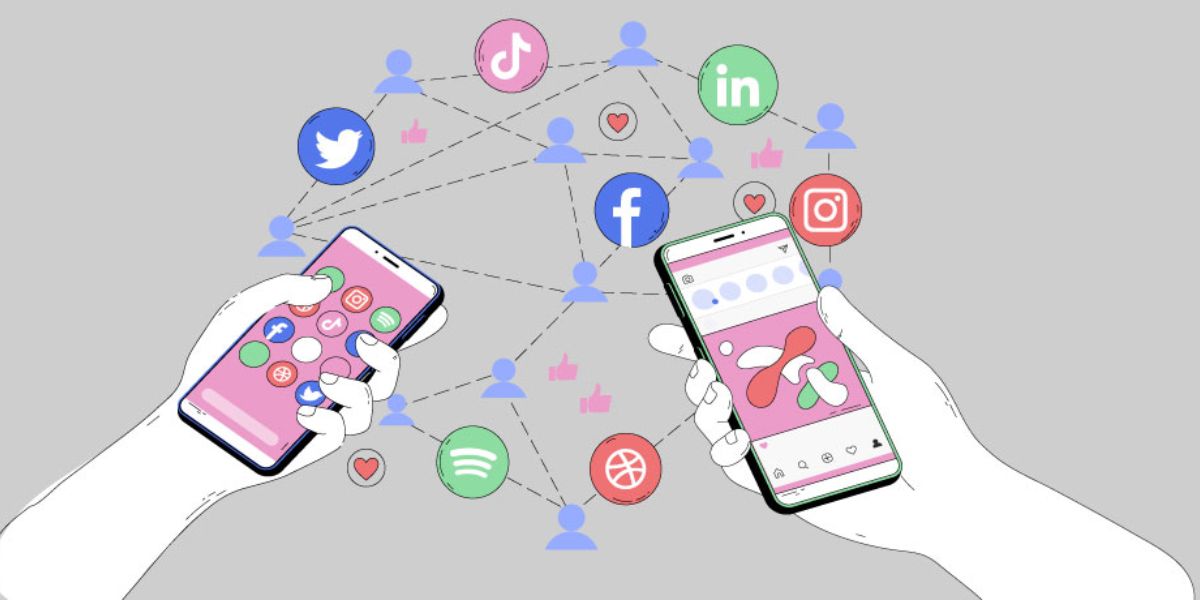
For example, many U.S. cities use town hall meetings, local newsletters, and community forums to facilitate communication between residents and local leaders. Additionally, social media groups and apps designed for neighborhood discussions can help people stay connected and informed. The lesson here is that creating open channels for communication makes residents feel heard and included, helping them build a connection to the community.
2. Celebrate Diversity and Cultural Differences
A sense of belonging is rooted in the acknowledgment and appreciation of diversity. U.S. cities, such as San Francisco and New York, are melting pots of cultures, traditions, and ethnicities. By celebrating this diversity, communities can foster an environment where everyone feels respected and valued for who they are.
Hosting cultural events, such as festivals, food markets, and heritage days, gives people the opportunity to showcase their unique identities and learn about others. This not only strengthens bonds but also reduces the fear or misunderstanding that may come from unfamiliar cultures. The lesson here is that a community that celebrates its diversity creates a richer, more inclusive environment for all its members.
3. Encourage Volunteerism and Community Involvement
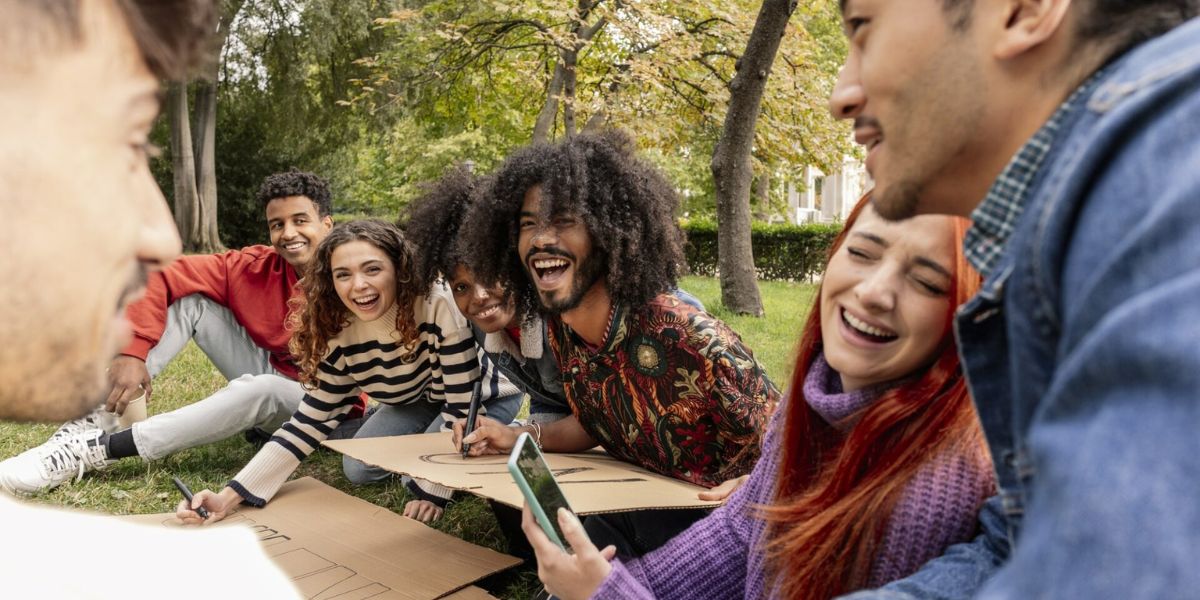
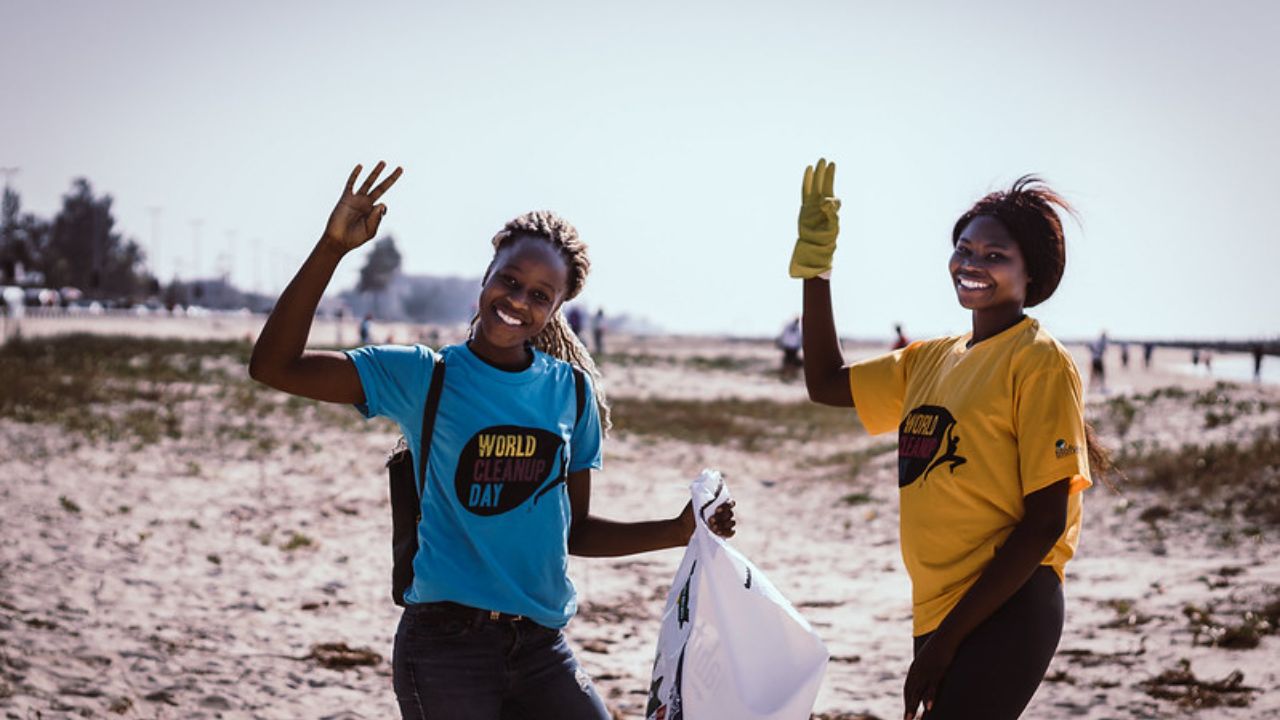
Another powerful way to foster belonging is through volunteer opportunities. When people give their time and effort to their community, it helps them feel a deeper connection to the area and to other residents. Volunteering also strengthens social ties and creates shared experiences that build community pride.
Communities can create initiatives that encourage volunteerism, whether through local nonprofits, schools, or public services. Projects like neighborhood cleanups, food banks, and charity events are great ways to bring people together for a common cause. By working together, residents develop a stronger sense of ownership and pride in their community. The lesson here is that when people come together to help others, they also create lasting bonds that reinforce their sense of belonging.
4. Create Welcoming Spaces for Everyone
Physical spaces have a significant impact on how people feel about their community. Parks, community centers, libraries, and public spaces should be designed to be inclusive and accessible for all. Creating spaces where people of different ages, backgrounds, and abilities can come together fosters an environment of belonging.
For instance, accessible parks with playgrounds for children, seating areas for elderly residents, and spaces for public art can help make all members of the community feel welcome. Communities should also focus on improving the safety and comfort of these spaces, ensuring they are well-lit, clean, and inviting. The lesson here is that public spaces should reflect the values of inclusion, providing everyone with a place to connect, share, and feel part of the whole.
5. Foster Relationships Through Social Activities
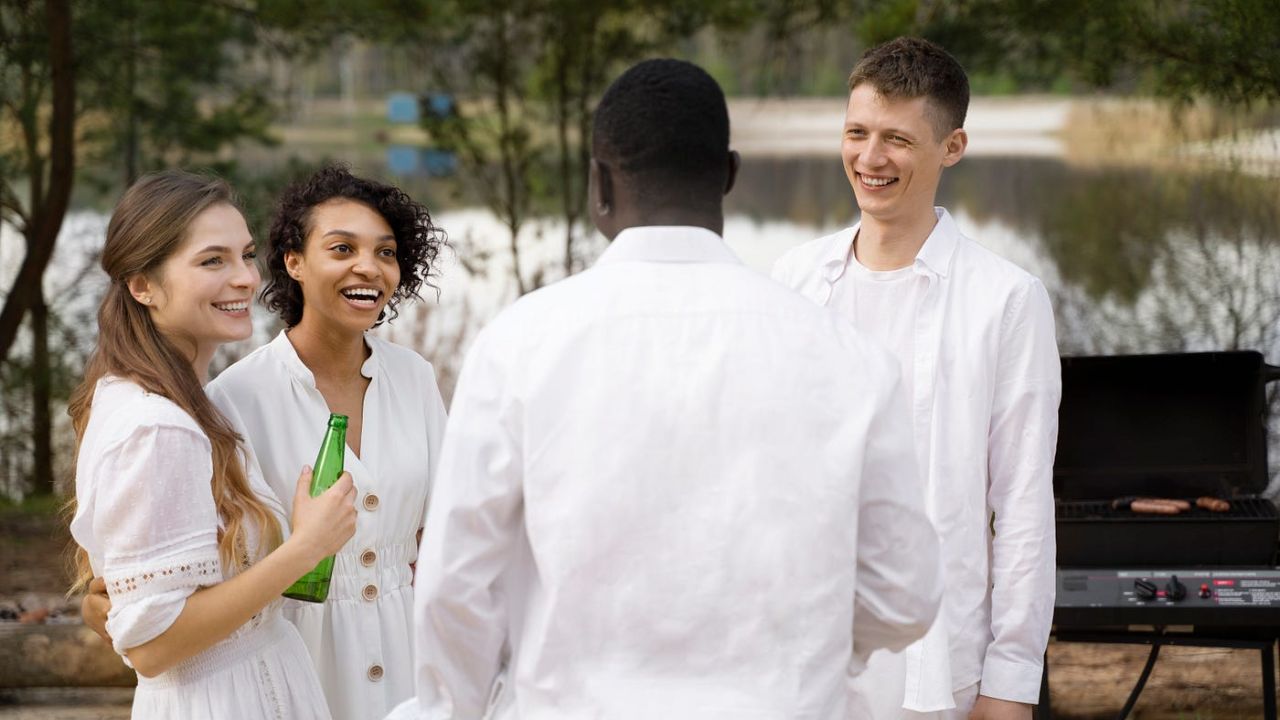
Hosting regular social activities is another effective way to encourage people to connect with one another and build relationships. From local sports leagues and fitness groups to potlucks and book clubs, social activities give residents the chance to bond over shared interests and hobbies. These interactions allow people to form meaningful connections that help them feel more rooted in their community.
Additionally, offering spaces for informal gatherings—such as coffee hours or outdoor movie nights—creates opportunities for neighbors to get to know each other outside of formal settings. The lesson here is that social activities play a vital role in breaking down barriers, encouraging people to meet new faces, and helping them feel a sense of belonging.
6. Build Local Support Systems and Networks
Support systems are crucial for fostering a sense of belonging, especially for individuals who may be new to the area or experiencing life challenges. Establishing local networks where residents can find help—whether it’s emotional, financial, or practical—helps people feel that they are not alone and that their community cares for them.
Many U.S. communities have set up local resource hubs where individuals can access services like job training, healthcare, or financial support. Additionally, mentorship programs and community support groups provide people with the guidance and connection they need during difficult times. The lesson here is that when communities support one another, they become stronger and more unified.
7. Focus on Youth and Family Engagement
The younger generation plays a pivotal role in shaping the future of communities. Engaging children and teenagers in community-building activities, such as youth sports leagues, arts programs, and volunteer projects, helps them feel part of the community from an early age. Additionally, family-oriented activities, such as family movie nights or picnics, encourage bonding across generations and make families feel welcome in the community.
By focusing on youth and families, communities can foster a sense of continuity and a shared vision for the future. The lesson here is that by investing in the younger generation and their families, communities can ensure that the sense of belonging is passed down to future generations.
Conclusion
Fostering a sense of belonging in your local U.S. community takes time and effort, but the rewards are invaluable. A community that prioritizes communication, celebrates diversity, encourages volunteerism, provides welcoming spaces, and offers opportunities for social engagement creates an environment where people feel valued, connected, and empowered.
By working together and investing in these strategies, we can create communities that not only thrive but also stand as examples of inclusion and belonging. The key takeaway is that belonging is a collective effort that requires active participation from every resident.
How does your community foster a sense of belonging? Share your thoughts and experiences in the comments below. If you’re interested in community-building ideas and resources, visit PKCM.org to explore more ways to make a difference!