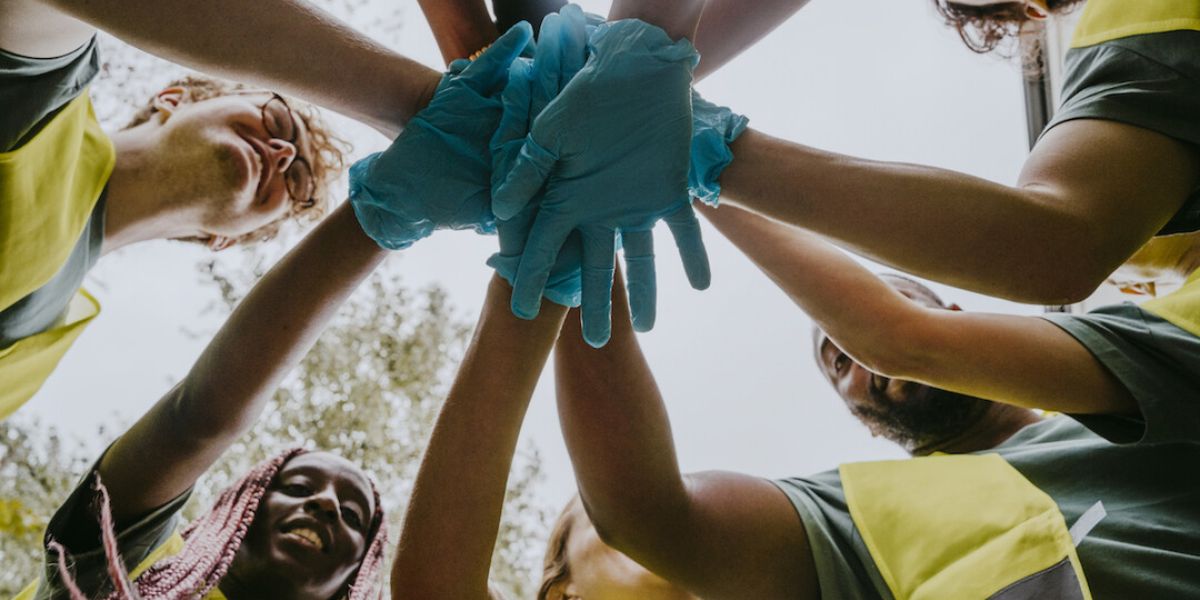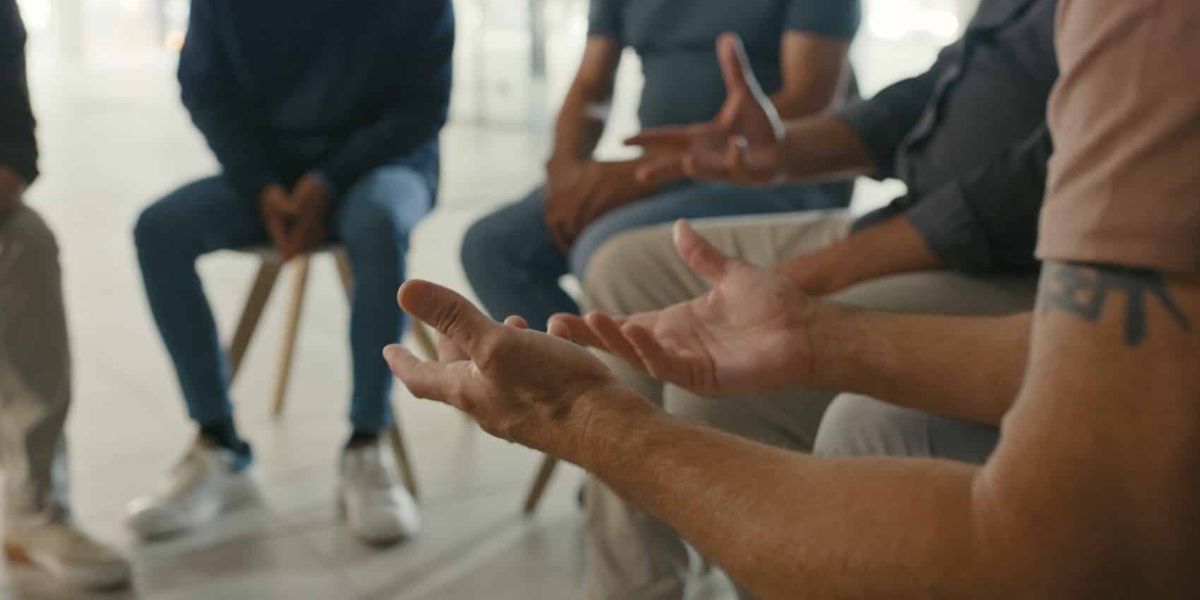
Across the United States, support groups have emerged as a powerful force in reshaping how communities approach mental health. From small in-person meetings to online peer communities, these groups provide a safe space where individuals can share experiences, access resources, and rebuild confidence. As the nation continues to confront rising rates of anxiety, depression, and trauma, support groups are offering something traditional clinical models often can’t—human connection, empathy, and shared understanding.
The Growing Role of Support Groups in Mental Health Care
In recent years, the conversation around mental health has become more open and inclusive. Yet, millions of Americans still struggle to access affordable and consistent care. According to the National Alliance on Mental Illness (NAMI), one in five adults in the U.S. experiences a mental health condition each year, but many never seek professional help due to cost, stigma, or lack of access.
Table of Contents
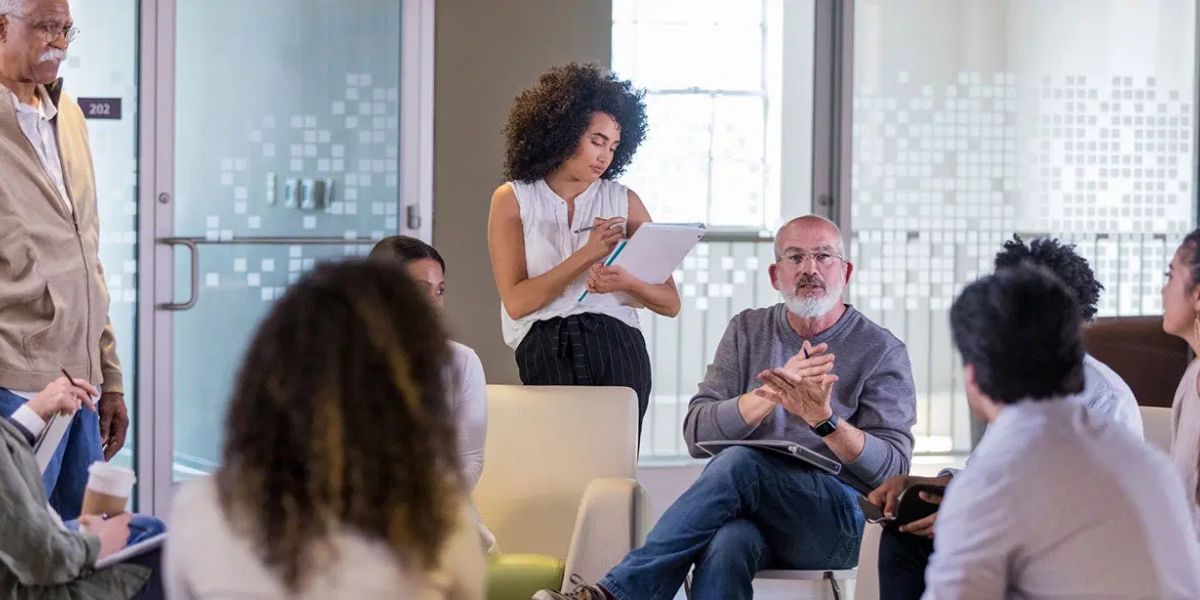
This is where support groups have stepped in to fill the gap. Across the country, community-based and online peer support networks—like NAMI Connection Recovery Support Groups and Alcoholics Anonymous (AA)—are providing safe, nonjudgmental environments where participants can share their stories and coping strategies. These settings foster a sense of belonging that can significantly improve overall mental well-being.
The Science Behind Peer Support and Healing
Research increasingly shows that peer-to-peer support can lead to measurable improvements in mental health outcomes. Studies published in the Journal of Mental Health reveal that individuals who participate in peer-led groups often experience reduced symptoms of depression and anxiety, improved social functioning, and better treatment adherence.
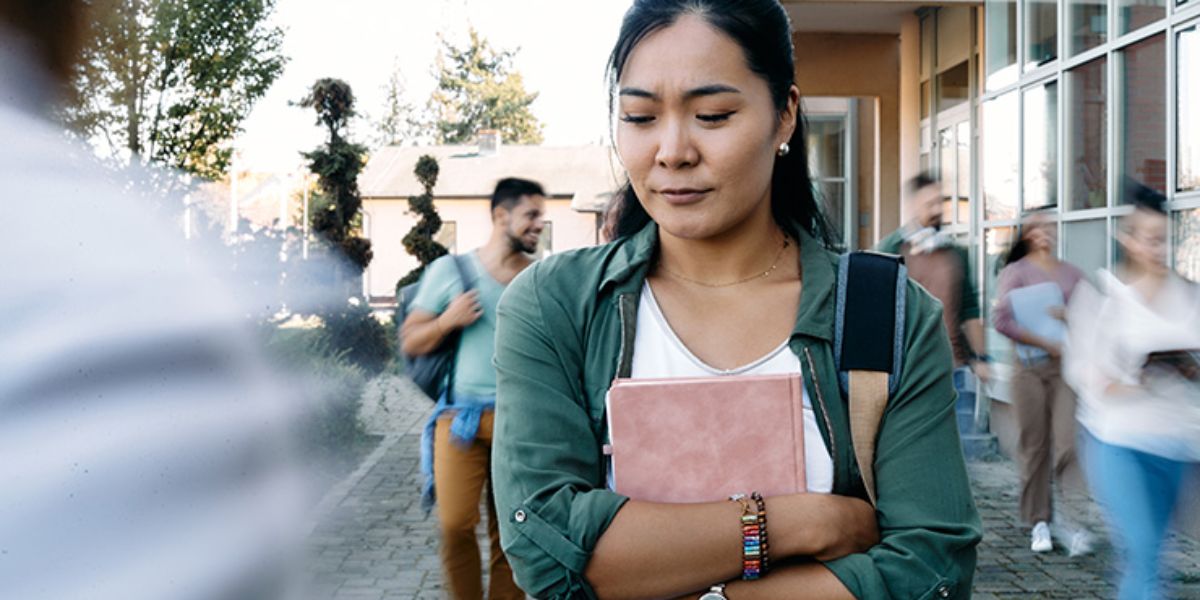
The key factor is shared experience. When people connect with others who have lived through similar struggles—whether it’s grief, addiction, or chronic stress—they feel validated. This sense of mutual understanding reduces isolation and shame, two emotions that often exacerbate mental illness.
As one mental health advocate noted,
“Sometimes, the most healing thing isn’t advice—it’s hearing someone say, ‘I’ve been there too.’”
Community-Driven Solutions for Mental Health Support
Many American communities are now integrating peer support into their local mental health programs. For example, Los Angeles County’s Department of Mental Health runs the Peer Resource Center, which employs trained peer specialists to guide people through recovery. In New York City, “NYC Well” offers a mix of digital and community-based support, connecting residents to both clinical and non-clinical options.
These initiatives demonstrate that mental health care doesn’t always have to begin in a clinic. It can start at a community center, church, or library—any place where people can come together and talk openly. Cities that have embraced these grassroots approaches have seen significant increases in early intervention and reductions in crisis-level mental health emergencies.
Breaking the Stigma Around Mental Illness
One of the most powerful impacts of support groups is their ability to break the stigma surrounding mental health. For decades, fear and misunderstanding kept people from discussing their struggles. Now, through local meetings, virtual forums, and community events, Americans are finding the courage to speak openly about depression, anxiety, PTSD, and addiction.
Faith-based and nonprofit organizations across the U.S. are also helping shift public perception. Churches, mosques, and community centers are hosting “mental health Sundays” and wellness workshops to normalize these discussions. The result? People are no longer defined by their diagnosis—they’re empowered by their recovery.
The Rise of Virtual Support Communities
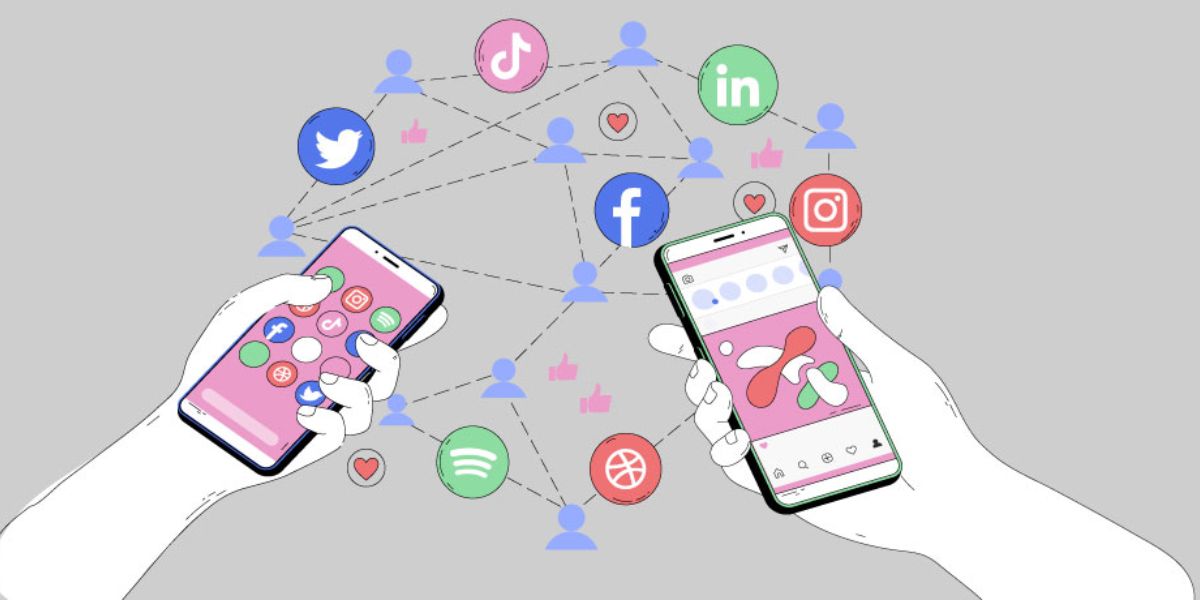
The COVID-19 pandemic accelerated the growth of online mental health support groups. Platforms like 7 Cups, BetterHelp Community Spaces, and Reddit forums have created new avenues for people to connect, especially in rural areas where access to care is limited. These online spaces allow anonymity, which can make it easier for individuals to open up about their struggles.
However, digital inclusion remains key. Ensuring everyone has access to reliable internet and digital literacy training is essential for maintaining these online mental health networks. When combined with local in-person support, virtual communities create a hybrid model that reaches more people than ever before.
Why Support Groups Complement Professional Care
Support groups are not a replacement for therapy or medication—but they enhance recovery. Many psychiatrists and counselors now recommend peer support as part of a holistic care plan. It bridges the gap between clinical treatment and everyday life, helping individuals apply coping skills, build accountability, and stay connected between therapy sessions.
This integrated approach aligns with the future of mental health care—one that recognizes the power of community alongside professional expertise. As Dr. Vivek Murthy, the U.S. Surgeon General, stated in a recent advisory, “Human connection is a critical part of health. We heal better together.”
Conclusion: Building a Culture of Support and Healing
Support groups are quietly transforming America’s mental health landscape. They remind us that healing isn’t just medical—it’s emotional, social, and deeply human. By creating spaces rooted in empathy and shared experience, these groups are breaking isolation, empowering recovery, and helping build a more compassionate nation.
The next step is ensuring that every community—urban or rural, online or offline—has access to the support networks they need. Because when people come together to share their struggles, they do more than heal themselves—they help heal society.
Want to get involved or start a mental health support group in your area? Visit PKCM.org to explore community resources, volunteer opportunities, and local initiatives that promote connection and wellness across the U.S.