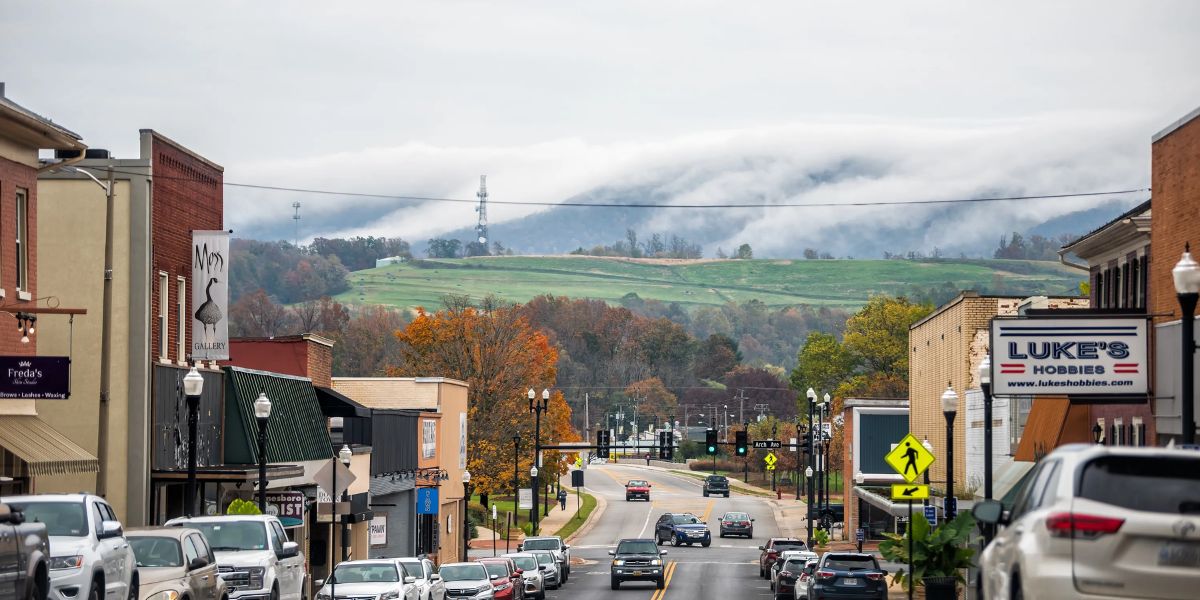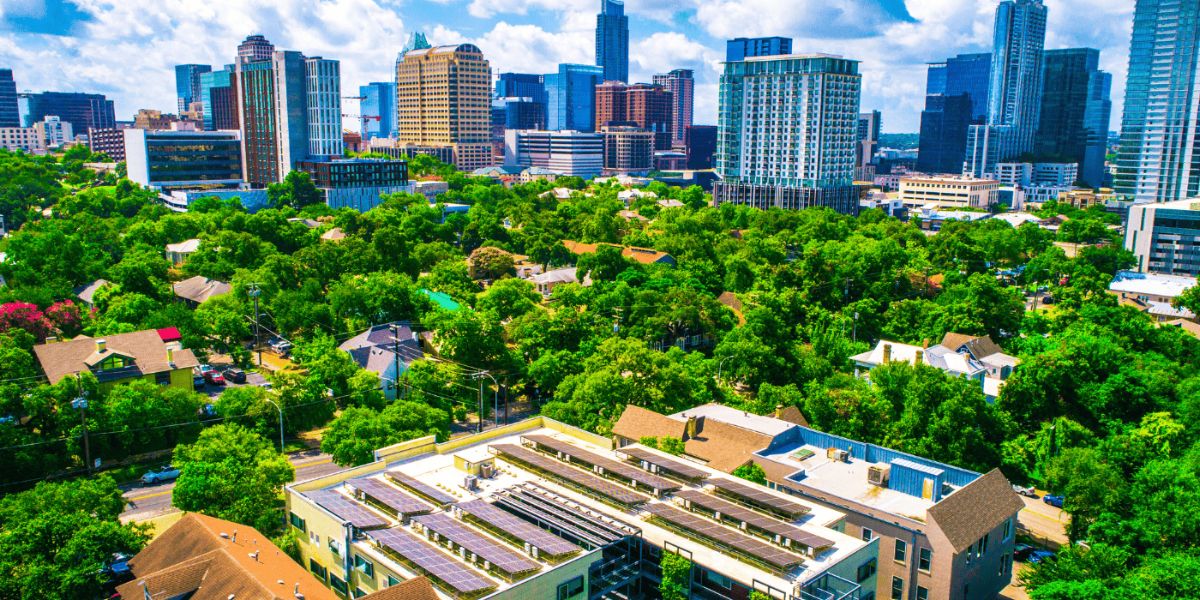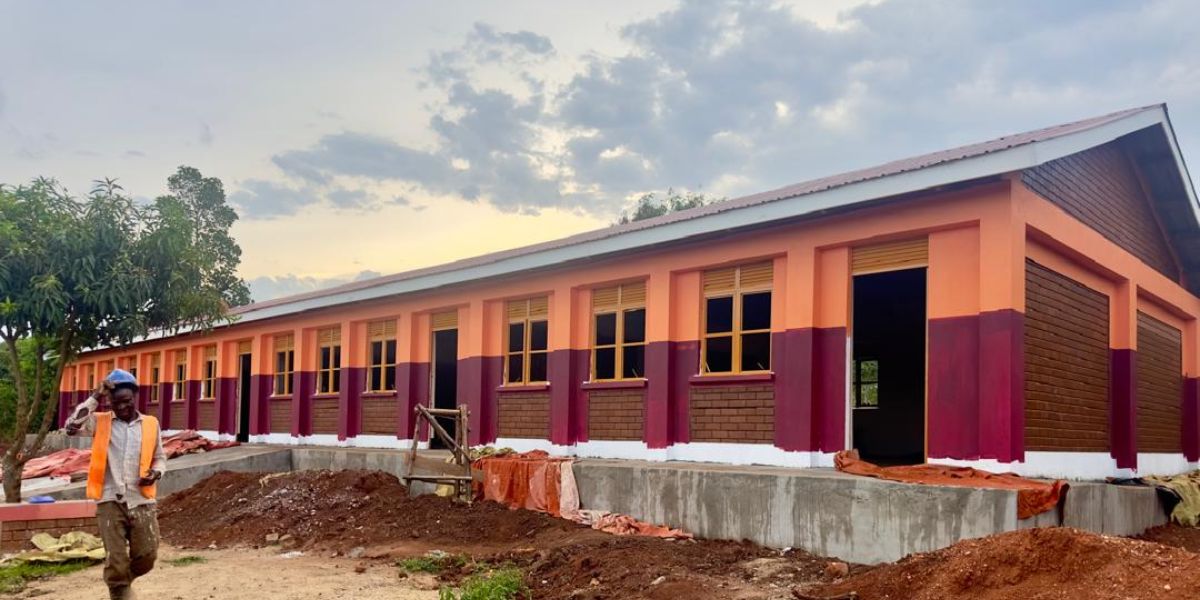
In the United States, education has always been a cornerstone of community development. Over the years, educational programs have evolved to play an even more vital role in addressing social issues, reducing inequalities, and empowering individuals to actively contribute to the growth of their communities. From addressing unemployment to promoting civic engagement, educational initiatives are transforming the landscape of community development across the nation. This article explores how educational programs are shaping the future of community development in the U.S. and the far-reaching impact they have on local communities.
1. Bridging the Skills Gap: Education as a Tool for Economic Empowerment
One of the key challenges facing many communities in the U.S. today is the growing skills gap. As the job market becomes more competitive and technology advances at a rapid pace, many individuals find themselves unprepared for the workforce. Educational programs, particularly those focusing on vocational and technical training, are helping bridge this gap by equipping people with the skills they need to succeed in high-demand industries.
Table of Contents
Programs like Code.org and Trade Schools provide individuals with specialized skills in fields such as coding, healthcare, and trades like plumbing and electrical work. These initiatives not only provide workers with the tools to secure better-paying jobs but also contribute to the local economy by producing a skilled workforce that meets the demands of various industries. The lesson here is clear: when communities invest in education that aligns with market needs, they pave the way for economic growth and stability.
2. Promoting Civic Engagement through Educational Initiatives
Educational programs are also crucial in fostering active civic engagement within communities. Schools, colleges, and local nonprofits are increasingly offering programs that teach individuals about their rights, responsibilities, and the importance of civic participation. Programs such as Youth Leadership Academies and Civics Education Initiatives aim to prepare young people to be active participants in the democratic process, from voting to running for public office.
By teaching citizens about governance, public policy, and social justice, these programs empower individuals to take an active role in shaping their communities. Whether through participating in local elections, attending town hall meetings, or organizing community events, education equips people with the knowledge and confidence to influence positive change. This focus on civic education plays a pivotal role in creating engaged communities that are invested in the future of their localities.
3. Addressing Social Inequality through Education
Education is one of the most effective tools for addressing social inequalities. Programs that focus on increasing access to education for underserved populations are making a significant impact on community development, particularly in low-income and minority communities. Initiatives like After-School Programs, Scholarships, and Mentorship Programs aim to provide young people from disadvantaged backgrounds with the opportunities and support they need to succeed academically and professionally.
For instance, programs such as Upward Bound and TRIO are designed to increase college access and retention for low-income students. By providing tutoring, college preparation, and mentorship, these programs help level the playing field, ensuring that everyone has the chance to succeed. The result is a more educated and empowered population, capable of breaking the cycle of poverty and contributing to the prosperity of their communities.
4. Strengthening Social Connections through Community Education
Community-based educational programs also serve as a platform for building social cohesion and strengthening relationships between residents. Workshops, community classes, and cultural exchanges provide people with the opportunity to interact, learn from one another, and collaborate on local projects. This interaction is especially important in diverse communities, where cultural differences can sometimes lead to division.
For example, programs such as Cultural Awareness Workshops and Language Exchange Programs help bridge the cultural gap by promoting understanding and fostering connections among people from different backgrounds. Additionally, educational initiatives aimed at promoting mental health awareness and conflict resolution skills help communities address and manage interpersonal issues more effectively. By creating spaces for dialogue and collaboration, these educational programs help strengthen social bonds and contribute to a more unified community.
5. Empowering Women and Marginalized Groups through Education
Another powerful way educational programs are shaping community development is by empowering marginalized groups, particularly women and minority populations. In many communities, women and marginalized groups face barriers to education and employment, limiting their opportunities for advancement. Educational programs specifically designed to address these barriers are helping these groups gain the skills, knowledge, and confidence they need to succeed.
Programs like Women’s Empowerment Initiatives, Adult Education, and Leadership Development Programs focus on providing women and marginalized communities with the tools to overcome societal barriers. These programs not only offer training in professional skills but also provide mentorship and support networks that help individuals thrive both personally and professionally. By empowering these groups, educational programs help create more diverse, equitable, and inclusive communities.
6. Promoting Sustainability and Environmental Awareness
As sustainability becomes an increasingly urgent issue, educational programs aimed at promoting environmental awareness are gaining traction. Across the U.S., schools, nonprofit organizations, and local governments are launching programs that educate residents about the importance of sustainability, climate change, and environmental conservation. From Community Gardening Programs to Green Energy Workshops, these initiatives encourage people to take responsibility for their environment and implement eco-friendly practices.
By teaching individuals how to conserve resources, reduce waste, and support local agriculture, these programs help build more sustainable communities. Not only do they protect the environment, but they also encourage collaboration and civic responsibility, creating communities that are both environmentally conscious and proactive in addressing the challenges posed by climate change.
7. The Role of Higher Education Institutions in Community Development
Universities and colleges are increasingly seen as integral partners in community development. Many institutions across the U.S. have launched outreach programs that collaborate with local communities to address issues such as economic development, education, and social justice. These programs often include research initiatives, internships, and volunteer opportunities that allow students to engage directly with community organizations and contribute to local projects.
The partnership between higher education and community development has proven to be mutually beneficial. Universities gain real-world experience and insight, while communities benefit from the innovative ideas, resources, and support provided by these institutions. The lesson here is that the collaboration between educational institutions and communities plays a critical role in fostering positive social change.
Conclusion: The Ongoing Impact of Education on Community Development
Educational programs in the U.S. are shaping the future of community development in profound ways. By providing individuals with the skills, knowledge, and opportunities to succeed, these programs empower people to contribute to the economic, social, and cultural growth of their communities. Whether it’s bridging the skills gap, promoting civic engagement, or empowering marginalized groups, education is the key to creating strong, resilient communities.
As we look to the future, the focus on educational programs will continue to be essential in building communities that are inclusive, equitable, and sustainable. Communities that invest in education are better equipped to tackle the challenges of tomorrow, creating environments where everyone can thrive.
What educational programs have had the most impact on your community? Share your thoughts in the comments below, and explore more resources on community development at PKCM.org!