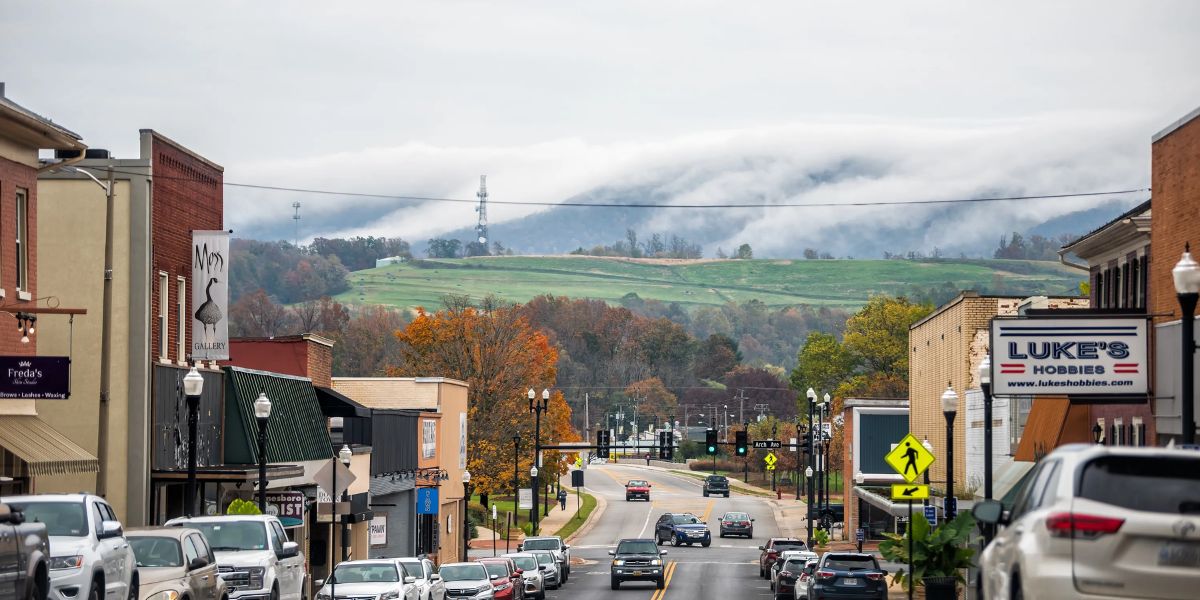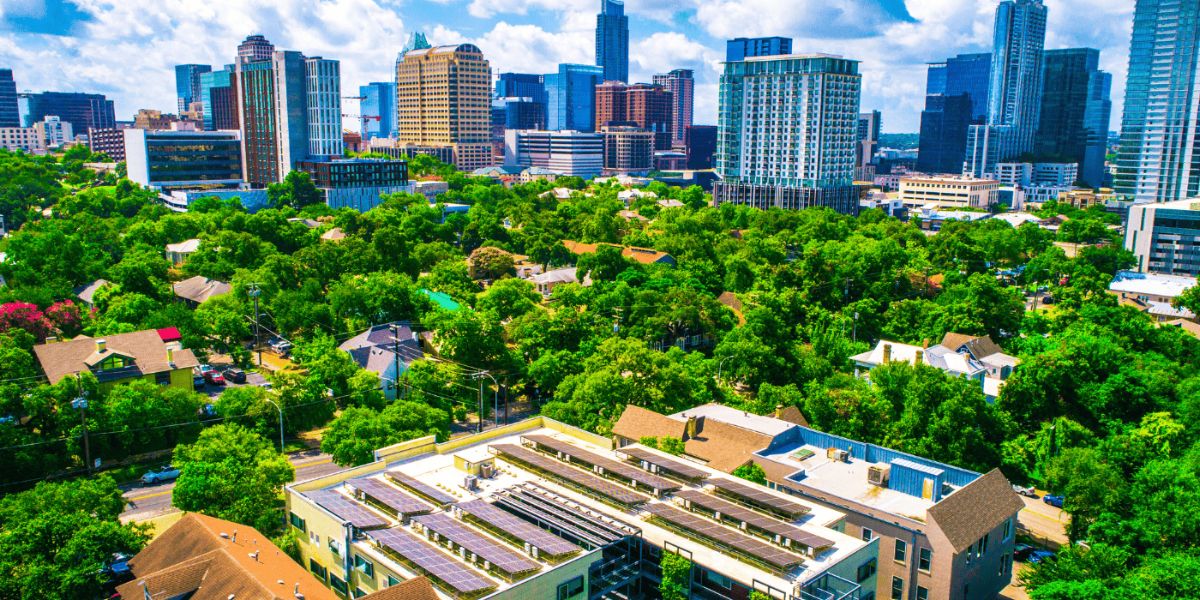
Across the United States, grassroots movements are playing an increasingly important role in shaping communities. From urban neighborhoods to rural towns, these locally-led initiatives are strengthening social networks, promoting civic engagement, and fostering meaningful change. Unlike top-down policies, grassroots efforts are driven by community members themselves, making them highly responsive to local needs and challenges. This article explores how U.S. communities are building stronger networks through grassroots movements and the lessons that can be applied to other areas.
Understanding Grassroots Movements in the U.S
Grassroots movements are initiatives that emerge from the community rather than being imposed by government or corporate institutions. They often focus on issues such as social justice, environmental protection, neighborhood revitalization, and community well-being.
Table of Contents
In the U.S., these movements are often fueled by residents who are passionate about improving their surroundings. Cities like Detroit, Portland, and New Orleans have witnessed the rise of neighborhood-led campaigns addressing everything from urban farming and local business support to youth engagement and affordable housing. The key lesson is that when people feel ownership over community initiatives, they are more committed to sustaining positive change.
Strengthening Social Networks Through Local Action
One of the primary ways grassroots movements build stronger networks is by fostering direct connections among residents. Community-led initiatives like block parties, local clean-ups, and neighborhood watch programs create opportunities for people to meet, collaborate, and form lasting relationships.
For example, in Los Angeles, neighborhood associations have leveraged grassroots organizing to connect residents across diverse cultural and socioeconomic backgrounds. These networks help address shared challenges, whether it’s improving public safety, advocating for better local services, or promoting cultural events. Strong social networks not only improve quality of life but also make communities more resilient during crises.
Leveraging Technology for Community Organizing
While grassroots movements are fundamentally local, technology has amplified their reach and effectiveness. Social media platforms, messaging apps, and community websites allow residents to coordinate events, share resources, and mobilize support quickly.
A notable example is the use of online platforms during natural disasters or civic campaigns. Residents in Texas and Florida have organized community relief efforts through Facebook groups and neighborhood apps, ensuring that resources and assistance reach the people who need them most. Technology enables even small grassroots movements to have a significant impact, connecting participants who might otherwise remain isolated.
Grassroots Initiatives and Civic Engagement
Grassroots movements are not just about social connections—they also encourage civic engagement. By participating in local campaigns, residents gain experience in advocacy, public speaking, and organizing, which empowers them to have a voice in local government decisions.
Cities like Minneapolis and Philadelphia have seen residents successfully advocate for policy changes on issues such as zoning, public transit improvements, and environmental protections. These experiences demonstrate that when communities take initiative, they can influence broader systems and policies that affect their daily lives.
Inclusive Participation: Ensuring Everyone Has a Voice
A critical aspect of successful grassroots movements is inclusivity. The most effective initiatives ensure that voices from all parts of the community—across age, race, gender, and socioeconomic status—are heard.
For example, youth councils, immigrant advocacy groups, and senior advisory boards in cities like Seattle and Chicago ensure diverse perspectives are incorporated into decision-making. When everyone is encouraged to participate, grassroots movements not only solve local problems more effectively but also build trust and cohesion within the community.
Measuring the Impact of Grassroots Networks
The success of grassroots movements can be measured in multiple ways: increased civic participation, stronger social ties, improved community resources, and tangible changes in local policies. In addition, these movements often enhance community identity and pride, giving residents a sense of purpose and belonging.
For instance, urban gardening initiatives in New York City have transformed vacant lots into productive green spaces, providing both environmental and social benefits. These projects demonstrate that small, community-led actions can have a lasting impact.
Conclusion: Building Stronger Communities Through Grassroots Action
Grassroots movements show that strong communities are built from the ground up. By fostering social networks, encouraging civic engagement, leveraging technology, and ensuring inclusive participation, U.S. communities are creating sustainable models for growth and resilience.
The lesson is clear: when residents come together to address their shared challenges, communities thrive. Grassroots initiatives empower people to take ownership of their neighborhoods, strengthen social bonds, and create lasting change.
Are you part of a local grassroots movement or want to start one in your community? Explore resources and support for community-building initiatives at PKCM.org and join the network of U.S. communities creating stronger, more connected neighborhoods.