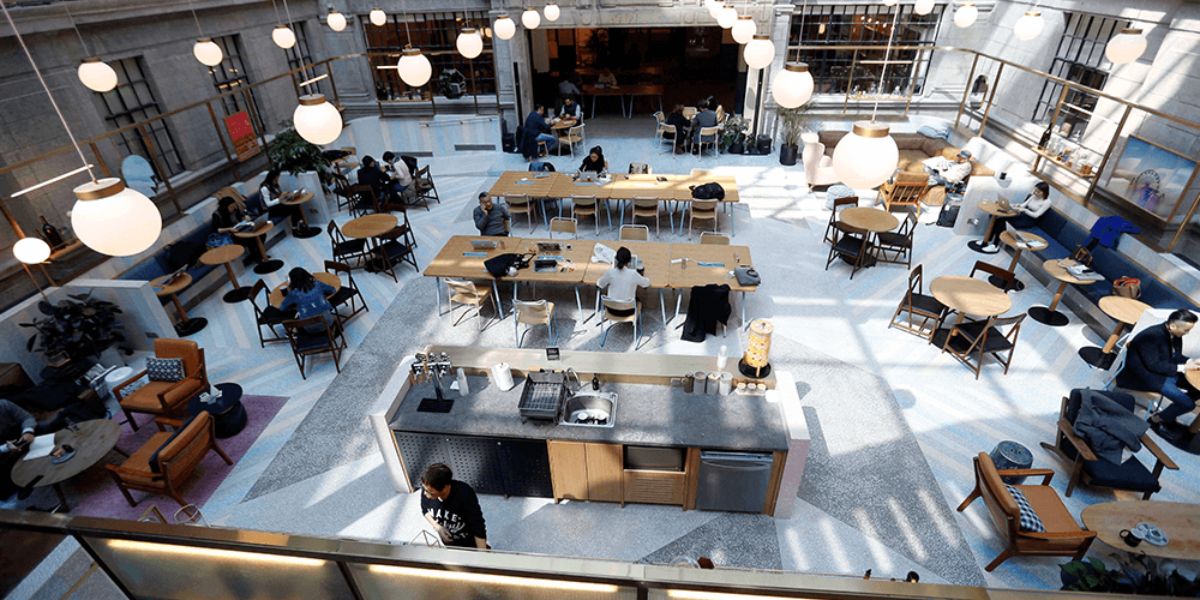
Over the past decade, co-working spaces have transformed from a niche concept into a defining feature of modern work culture across the United States. From freelancers and startups to large corporations adopting hybrid work models, these shared spaces are reshaping how Americans work, connect, and contribute to their local communities. As flexible work arrangements become the norm, the rise of co-working spaces is fostering not only innovation but also social and economic growth in U.S. cities.
How Co-working Spaces Are Changing the Way Americans Work
The traditional 9-to-5 office is no longer the default for millions of Americans. Remote work, freelancing, and entrepreneurship have given rise to a new workforce seeking flexibility, collaboration, and community. Co-working spaces—like WeWork, Industrious, and Impact Hub—have filled this gap, offering shared work environments equipped with modern amenities and networking opportunities.
Table of Contents
These spaces cater to diverse needs, from digital creators to small business owners. Beyond convenience, they provide something the home office often lacks: human connection and shared motivation. The lesson is clear—co-working spaces are not just workplaces; they’re ecosystems where ideas, skills, and opportunities intersect.
The Economic Impact on Local Communities
Co-working spaces contribute significantly to the economic revitalization of local communities. By establishing hubs in underutilized buildings and downtown areas, they help revive neighborhoods that might otherwise experience economic decline. In cities like Detroit, Cleveland, and Austin, co-working spaces have become catalysts for urban renewal, attracting creative professionals, startups, and small enterprises that stimulate local economies.
Moreover, many co-working spaces collaborate with local coffee shops, restaurants, and service providers, generating a multiplier effect on nearby businesses. This integration creates a thriving local economy where innovation meets community development.
Building Inclusive Work Environments
Another defining feature of co-working spaces in the U.S. is their focus on diversity and inclusion. Many spaces intentionally design programs and memberships to support underrepresented entrepreneurs, women-led startups, and minority-owned businesses. For example, initiatives like “The Wing” and “Black Women Talk Tech” have created spaces where inclusion is not just encouraged but celebrated.
This inclusive approach helps bridge the gap between marginalized communities and business opportunities, fostering collaboration among people from different backgrounds. The key takeaway: co-working spaces thrive when inclusivity drives their mission, strengthening social equity and empowerment.
Co-working and the Remote Work Revolution
The pandemic accelerated the shift toward remote and hybrid work, forcing companies to rethink their office models. Co-working spaces quickly adapted, offering flexible memberships, private offices, and virtual collaboration tools that catered to this new reality.
For many remote workers, these spaces became essential for maintaining productivity and work-life balance. They provide structure, community interaction, and access to professional networks—without the isolation that often comes with working from home. In this way, co-working spaces have become the backbone of the remote work era in the United States.
How Co-working Supports Innovation and Collaboration
Innovation thrives where ideas collide—and co-working spaces are designed to make that happen. By bringing together professionals from diverse industries, they naturally foster collaboration and creativity. Whether it’s a marketing consultant teaming up with a software developer or a designer collaborating with a nonprofit founder, cross-disciplinary connections often emerge in these environments.
Cities like San Francisco, Denver, and Seattle have seen entire startup ecosystems grow around co-working networks. Many successful businesses trace their origins to chance encounters and brainstorming sessions that happened over coffee in shared lounges. The lesson: co-working spaces aren’t just about shared desks—they’re about shared purpose and progress.
Sustainability and Community Impact
Modern co-working spaces are increasingly focused on sustainability and social responsibility. Many are built with eco-friendly materials, offer recycling programs, and promote green commuting options like bike racks or electric charging stations. Some also host community-driven events, workshops, and charity fundraisers that strengthen local engagement.
For instance, coworking hubs in Portland and Boulder regularly partner with local nonprofits to organize environmental cleanups, donation drives, and mentorship programs. These activities transform co-working spaces into centers of civic engagement, reinforcing their role as contributors to broader community growth.
Challenges and the Future of Co-working Spaces
While co-working spaces have grown rapidly, they also face challenges—rising rents, market competition, and the need to maintain safety and accessibility post-pandemic. However, the flexibility and community-driven design of these spaces make them well-positioned to adapt.
Looking ahead, smaller cities and suburban areas are expected to experience a surge in co-working demand as more professionals move away from major metropolitan centers. This shift will likely lead to more localized networks of co-working hubs that connect regional talent, offering both affordability and opportunity.
Conclusion
The rise of co-working spaces represents more than a workplace evolution—it’s a cultural transformation in how Americans connect, collaborate, and build together. From fueling local economies to promoting inclusivity and innovation, these spaces have redefined community impact in the modern age.
As the U.S. continues to embrace flexible work, co-working spaces will remain vital to sustaining professional growth and social connection. They embody the balance between independence and collaboration—creating not just a place to work, but a place to belong.
What do you think about the rise of co-working spaces in your area? Share your thoughts in the comments below and explore more stories about community growth and innovation at PKCM.org.