Across the nation, faith-based Kingdom Outreach programs are playing a crucial role in reducing poverty and restoring hope in struggling communities. From food distribution to job readiness training, these initiatives—often led by churches and local ministries—go beyond charity to empower individuals and families toward self-sufficiency. As U.S. cities continue to confront rising living costs and widening income gaps, the impact of these outreach programs has never been more visible.
Understanding the Role of Faith-Based Outreach in Poverty Alleviation
Kingdom Outreach refers to community-driven efforts by faith organizations to meet both spiritual and material needs. Many U.S. churches and ministries have moved from traditional charity models toward long-term empowerment strategies. Instead of simply providing assistance, these programs aim to equip individuals with skills, mentorship, and resources to rebuild their lives.
Table of Contents
Faith-based organizations also have deep community ties, which make them uniquely positioned to reach vulnerable populations. Their work often bridges gaps left by government programs, especially in underserved areas where public support is limited. The lesson here is clear: when compassion meets structure, transformation happens.
Food, Shelter, and Immediate Relief Programs
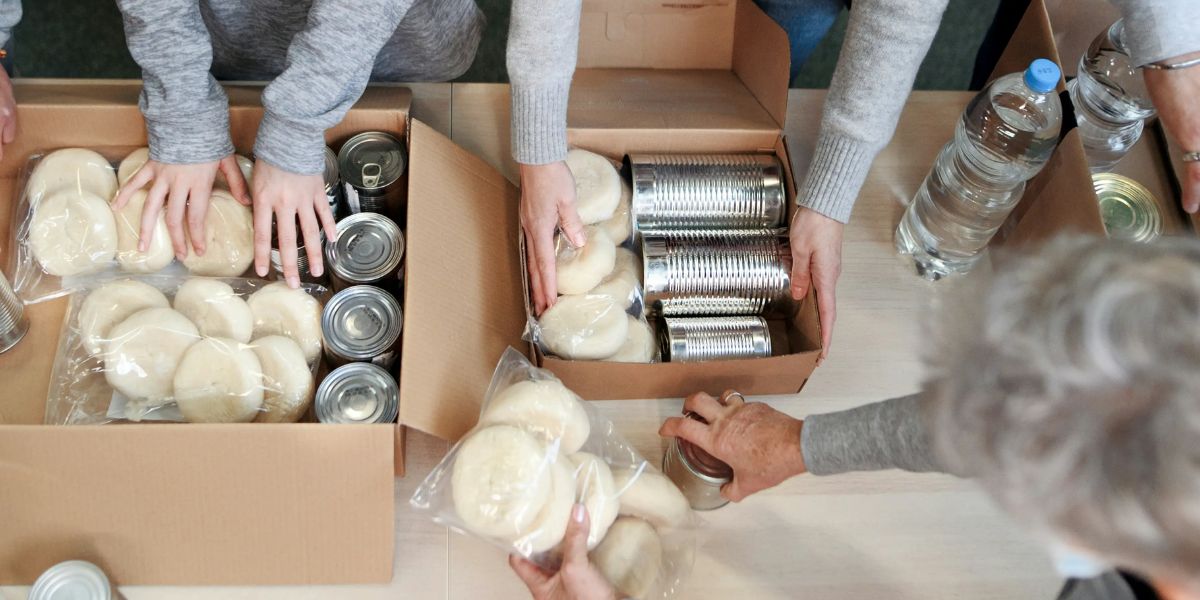
Many Kingdom Outreach programs begin with addressing basic human needs—food, shelter, and clothing. Ministries like Feeding America’s church partners and local faith groups in states like Texas, Georgia, and Ohio regularly organize food drives, soup kitchens, and emergency shelters.
These efforts not only provide immediate relief but also build trust within communities. Once individuals’ most urgent needs are met, they become more receptive to long-term programs such as financial literacy workshops, addiction recovery, and career development. This layered approach ensures that outreach is sustainable and not merely a temporary fix.
Economic Empowerment Through Faith-Based Initiatives
Poverty reduction is not only about relief—it’s about empowerment. Faith-based organizations have been instrumental in launching job training programs, small business workshops, and financial mentoring for families struggling to break the poverty cycle.
For instance, Christian Community Development Association (CCDA) programs have helped thousands of Americans gain employment through skill-building and microenterprise initiatives. Similarly, local church-led “Kingdom Business” programs provide coaching, small loans, and mentorship to help entrepreneurs grow faith-rooted enterprises.
By combining spiritual encouragement with practical education, these programs create lasting change that empowers people to earn a living and support their families independently.
Addressing Homelessness and Rehabilitation
Homelessness remains one of the most pressing issues in U.S. cities. Faith-based outreach has been a lifeline for countless individuals and families. Churches across California and New York have launched programs providing transitional housing and rehabilitation services for those experiencing homelessness or substance use challenges.
Unlike some government-run shelters, faith-based housing programs often offer counselling, life-skills training, and community reintegration support. Many participants credit these holistic approaches with not only giving them a roof over their heads but also restoring dignity and purpose to their lives.
Education and Youth Development as Poverty Prevention
Education is one of the strongest tools for breaking the poverty cycle, and faith-based outreach programs are taking an active role in providing youth mentorship and academic support. Organizations like UrbanPromise Ministries and YoungLife run after-school programs, summer camps, and tutoring services that keep children engaged and motivated.
By fostering both academic growth and spiritual development, these programs build the next generation of leaders who can uplift their communities. Faith-based outreach here acts as both prevention and empowerment—helping children avoid the socioeconomic pitfalls that lead to generational poverty.
Partnerships Between Churches and Local Governments
In recent years, collaboration between faith-based groups and local governments has proven instrumental in amplifying outreach impact. Cities such as Atlanta and Houston have formed public-private partnerships where local ministries provide on-the-ground support for public aid programs.
This partnership approach allows for better coordination, ensuring that resources are distributed effectively and without duplication. By working hand-in-hand with public institutions, Kingdom Outreach programs bring compassion and efficiency to poverty-reduction strategies, combining the strengths of both the spiritual and civic sectors.
The Human Impact: Stories of Transformation
Behind every Kingdom Outreach program are personal stories of resilience and transformation. Formerly homeless individuals who now mentor others, single parents who completed training programs and found stable jobs, and recovering addicts who now volunteer to help others—all serve as living proof of the power of faith in action.
These stories are a testament to the fact that Kingdom Outreach does more than provide aid—it builds community, hope, and human connection. The ripple effect of one life changed often leads to a stronger, more resilient neighborhood.
Conclusion: Faith and Compassion as Pathways to Change
As the United States continues to face socioeconomic challenges, the work of Kingdom Outreach programs demonstrates how faith-based compassion can drive measurable change. By combining immediate assistance with education, job creation, and community engagement, these initiatives address the root causes of poverty while uplifting the human spirit.
The lesson from these programs is simple yet powerful: meaningful poverty reduction requires both heart and structure. When spiritual mission aligns with social action, real transformation begins.
Want to get involved or support local outreach efforts? Visit PKCM.org to learn more about faith-based initiatives, volunteer opportunities, and ways to strengthen your community.