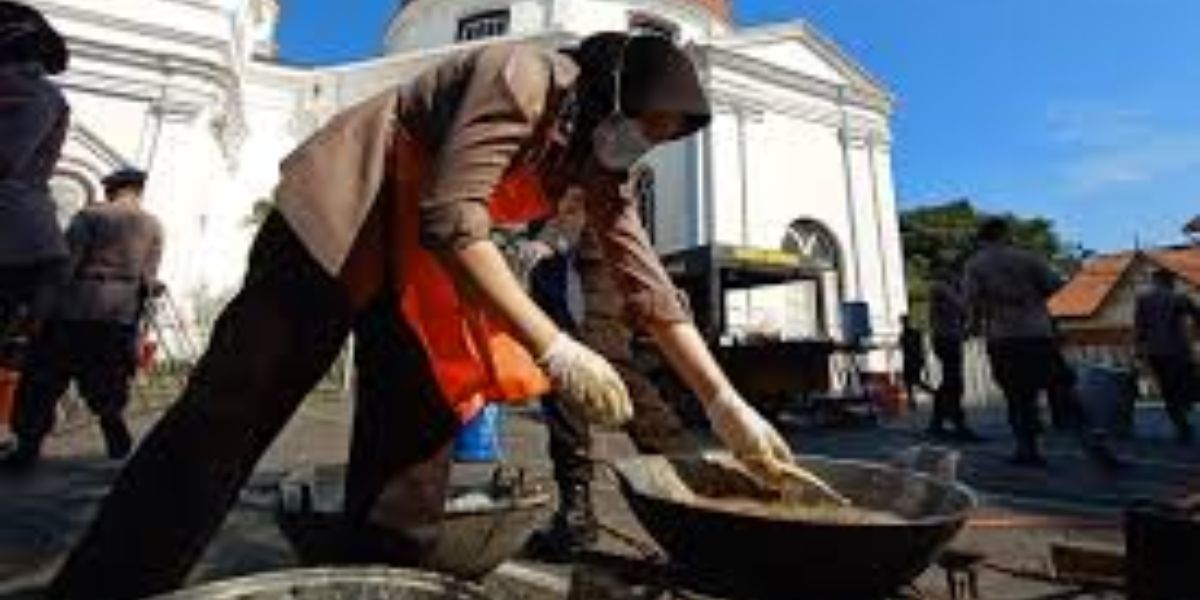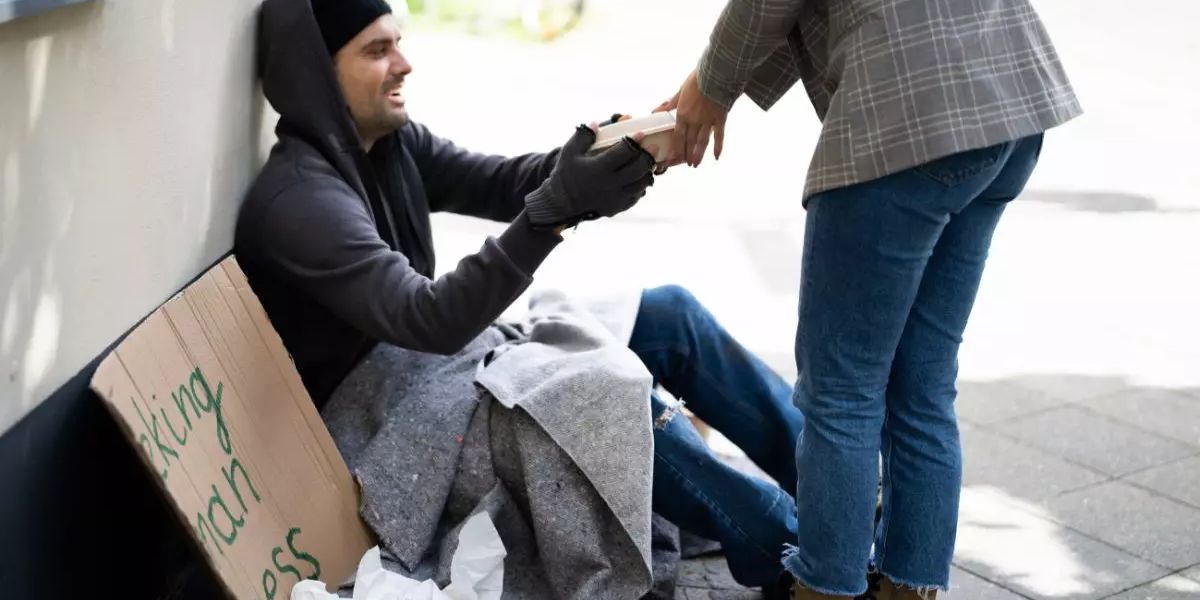
Across the nation, faith-based organizations are stepping up to support individuals and families experiencing homelessness. Through compassion-driven outreach programs, churches and ministries are not only providing food, shelter, and clothing but also offering emotional, spiritual, and long-term recovery support. These Kingdom outreach initiatives have become a crucial part of America’s fight against homelessness, combining faith, community, and action to make a lasting difference.
Understanding the Role of Faith-Based Organizations in Homeless Support
Faith-based groups have long been a cornerstone of community care in the United States. Unlike many government programs that focus solely on short-term solutions, churches and Christian nonprofits often provide holistic assistance that addresses both material and emotional needs.
Table of Contents
From small local ministries to national organizations, these groups work tirelessly to create safe spaces where people feel valued and supported. Their efforts reflect a faith-centered belief that helping those in need is not just charity—it’s a calling. The lesson here is that spiritual care, when combined with practical support, creates a foundation for long-term recovery.
Examples of Successful Kingdom Outreach Programs
Across the U.S., many successful Kingdom outreach programs have made a measurable difference.
- The Salvation Army, one of the most recognized faith-based charities, operates shelters and transitional housing programs in almost every major city.
- Catholic Charities USA provides housing, rent assistance, and case management to thousands of low-income families each year.
- Smaller community ministries such as Love INC and CityTeam bring together volunteers from multiple churches to provide meals, hygiene kits, and prayer services to people living on the streets.
These programs show how consistent, faith-led service can restore dignity and stability to individuals experiencing homelessness.
The Power of Community Partnerships
One of the most important lessons learned from U.S. cities is the value of collaboration. Faith-based organizations are increasingly working alongside local governments, nonprofits, and businesses to maximize their reach.
For example, in cities like Houston and Atlanta, partnerships between churches and municipal housing agencies have resulted in coordinated responses that help move people from temporary shelters to permanent housing. These partnerships ensure that efforts are not duplicated and that resources are used efficiently. The lesson is clear: inclusion and impact grow stronger when faith-based compassion meets community collaboration.
Providing More Than Shelter: Holistic Support
While shelter and food are immediate needs, faith-based outreach programs recognize that homelessness is often rooted in deeper issues—such as trauma, addiction, or loss of employment. Many churches have developed programs offering mental health counseling, job readiness training, and spiritual mentorship.
For example, some ministries hold weekly prayer and recovery sessions to help individuals overcome emotional pain and rebuild confidence. Others provide access to vocational workshops or partner with employers who offer job placements. By addressing the whole person—mind, body, and spirit—these outreach programs help break the cycle of homelessness.
Empowering Volunteers Through Faith in Action
Faith-based outreach thrives on volunteers who embody compassion and purpose. Congregations across the country regularly organize clothing drives, community kitchens, and mobile outreach missions.
These volunteers not only serve meals or distribute essentials but also listen, encourage, and connect personally with those they help. For many, volunteering becomes a transformative spiritual experience that strengthens their own faith. The key takeaway here is that community transformation begins when individuals act on their beliefs to serve others.
Challenges Faced by Faith-Based Homeless Programs
Despite their success, faith-based programs face several challenges, including limited funding, growing demand, and regulatory hurdles. In some areas, zoning laws restrict where shelters can operate, while rising living costs strain available resources.
Still, many organizations persist through donations, volunteer support, and partnerships. The resilience of these programs shows that compassion and faith remain powerful forces, even in the face of economic and policy barriers.
Conclusion: Building Hope Through Faith and Action
Faith-based outreach efforts are proving that addressing homelessness requires both heart and strategy. Their ability to combine compassion with action has made them indispensable partners in the national movement to end homelessness.
The most important lesson is that faith-inspired service can create sustainable change when paired with collaboration, innovation, and community engagement. By continuing to serve with love, U.S. faith-based organizations are building bridges of hope for countless individuals striving for stability and dignity.
Want to get involved or learn how your community can support similar outreach programs? Visit PKCM.org to explore volunteer opportunities and community initiatives that bring faith and compassion to action.