In the wake of rising awareness about diversity and social equity, U.S. cities have taken significant steps towards creating more inclusive communities. However, this goal has not been easily achieved. It involves overcoming long-standing societal issues like segregation, unequal resource distribution, and systemic barriers. The following lessons from U.S. cities demonstrate the importance of fostering inclusive environments and highlight the strategies that have worked to promote diversity and equity.
The Need for Inclusive Communities
The drive to create inclusive communities in U.S. cities stems from a long history of racial and socioeconomic segregation. Cities like New York, Los Angeles, and Chicago have experienced significant demographic shifts, resulting in increasingly diverse populations. Yet, these same cities continue to struggle with disparities in wealth, education, and access to essential services.
Table of Contents
Inclusive communities are not just about diversity—they are about ensuring everyone, regardless of race, ethnicity, or economic status, feels valued and has equal opportunities to succeed. The key lesson here is that inclusivity improves the overall quality of life by fostering mutual respect, collaboration, and social cohesion among diverse groups.
Engagement and Participation: The Cornerstone of Inclusivity
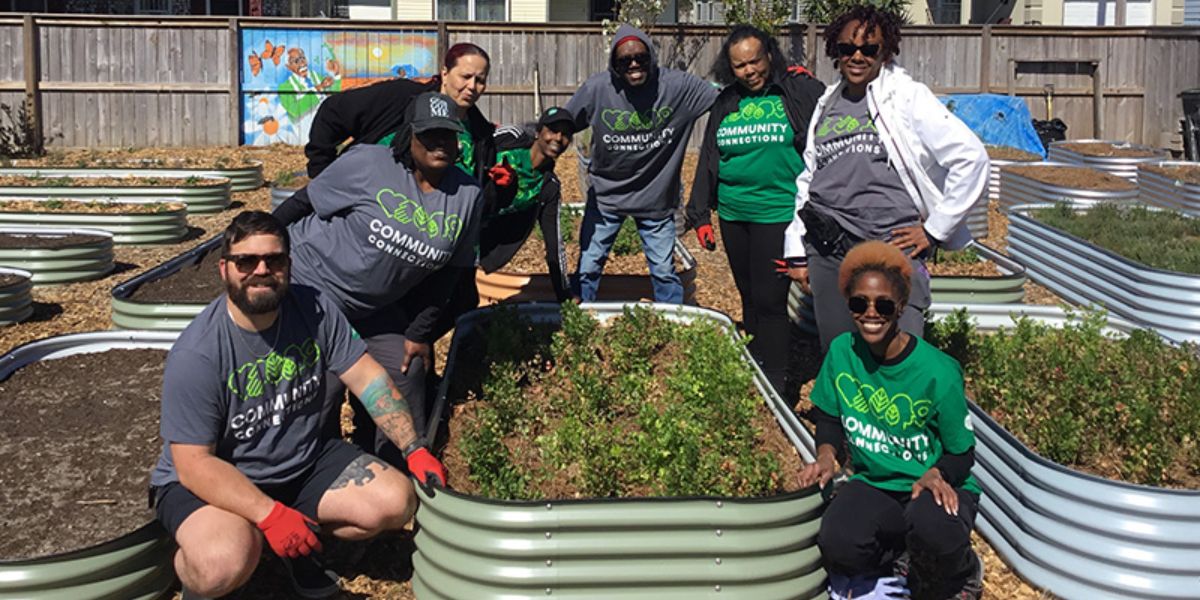
One of the most significant lessons learned from U.S. cities is that community engagement is crucial for creating inclusivity. Cities like Portland, Oregon, have implemented community-driven initiatives where residents from all backgrounds are actively involved in local governance and decision-making.
Community participation strengthens social ties and encourages individuals to take ownership of their neighborhoods. Whether it’s through neighborhood planning meetings, local charity events, or cultural celebrations, inclusive communities require active input from all members. The lesson? Inclusivity thrives when people feel empowered to contribute to the social fabric of their neighborhoods.
Affordable Housing and Economic Opportunities
Affordable housing remains a pressing issue in many U.S. cities. Gentrification, rising property values, and a lack of affordable rental units often push lower-income residents out of their neighborhoods. To address this, cities like San Francisco and Boston have introduced community land trusts, affordable housing projects, and anti-displacement policies to help preserve affordable housing in gentrifying areas.
Moreover, economic opportunities must go hand-in-hand with affordable housing to ensure inclusivity. Cities that invest in job training, workforce development, and small business support programs empower residents and reduce economic inequality. The lesson here is clear: inclusive communities are those that provide not only affordable housing but also access to economic mobility for all residents.
Inclusive Education Systems: A Foundation for Social Equity
Inclusive education is vital for the social and economic advancement of underrepresented groups. Cities like Denver have focused on ensuring equitable access to quality education for all students, regardless of their background. Schools in these cities have adopted inclusive curricula, offered diversity training, and provided additional resources to ensure that every student, from low-income neighborhoods to immigrant communities, has the opportunity to succeed.
Beyond K-12 education, access to higher education and vocational training also plays a crucial role in fostering inclusivity. By equipping people with the skills and knowledge to thrive in today’s economy, cities can empower marginalized communities and reduce socioeconomic divides. The lesson here is that inclusive education policies are the bedrock upon which successful, inclusive communities are built.
Celebrating Cultural Diversity Through Public Events
Celebrating cultural diversity helps create a more inclusive atmosphere in U.S. cities. Public events such as festivals, parades, and art exhibitions give residents an opportunity to celebrate their unique backgrounds while promoting unity. For example, cities like New York and Chicago host large-scale multicultural festivals that highlight the artistic, culinary, and musical traditions of various cultural groups.
Such events foster a sense of pride among minority communities and promote intercultural exchange. The lesson learned from these events is that inclusion is not just about policy—it’s also about providing opportunities for diverse groups to express themselves and share their culture with others.
Leveraging Technology to Foster Inclusivity
In today’s digital world, technology plays a pivotal role in creating more inclusive communities. Cities like Seattle have embraced digital tools to make governance more transparent and accessible to all residents. Social media platforms, mobile apps, and online town hall meetings allow residents to voice their concerns, participate in local government, and access vital information, regardless of their geographic location or social status.
Moreover, technology has created new opportunities for remote work, education, and healthcare, which have become especially important during the COVID-19 pandemic. The lesson here is that technology can help break down barriers and ensure that all community members can participate fully in society, regardless of their background or circumstances.
The Future of Inclusive Communities in U.S. Cities
As cities across the United States continue to diversify, the importance of creating inclusive communities has never been more urgent. The lessons learned from cities that have successfully implemented inclusive policies and initiatives provide a blueprint for other urban areas to follow. The focus on affordable housing, economic opportunities, inclusive education, cultural celebration, and technology is essential to building communities that are welcoming and equitable.
However, these changes won’t happen overnight. They require ongoing efforts, collaboration, and the active participation of all community members, from local government officials to residents. The key takeaway is that inclusivity requires long-term commitment and a willingness to address the systemic barriers that prevent full participation from all community members.
What is your community doing to promote inclusivity? Share your thoughts in the comments below, and for more on community growth and outreach, visit PKCM.org.