Volunteering has always been an integral part of American life, but in recent years, its role in building stronger, more connected cities has taken on new significance. As U.S. cities face challenges such as economic inequality, social division, and rising housing costs, volunteer work is proving to be a powerful force in strengthening the social fabric and bringing people together. From grassroots initiatives to large-scale nonprofit programs, volunteering continues to transform communities and foster inclusivity across the nation.
Understanding the Role of Volunteering in Community Building
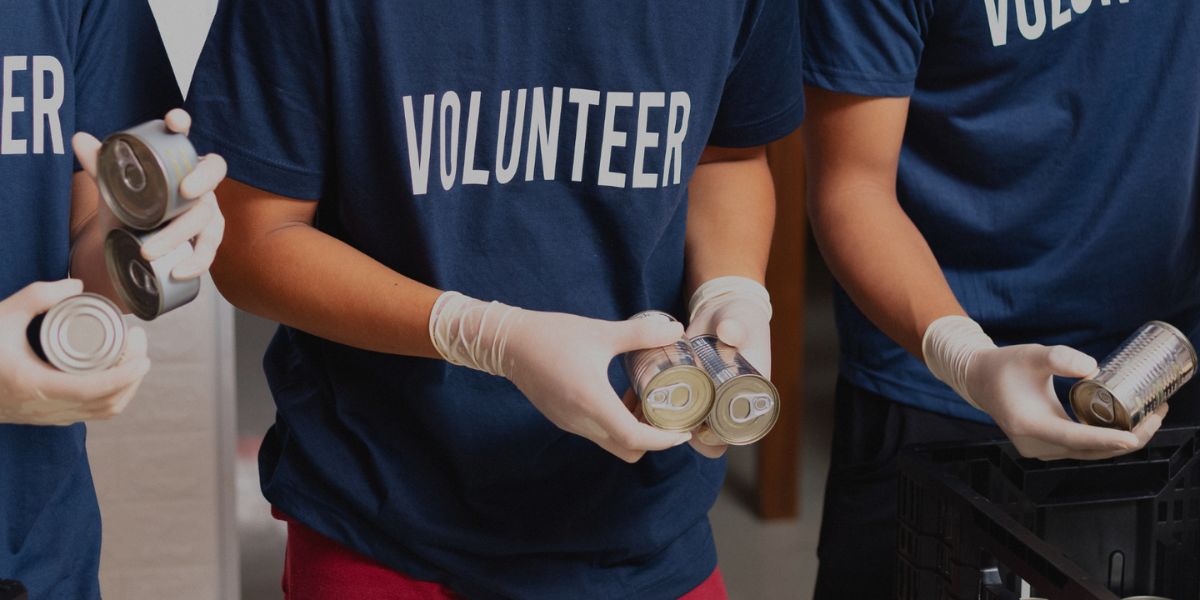
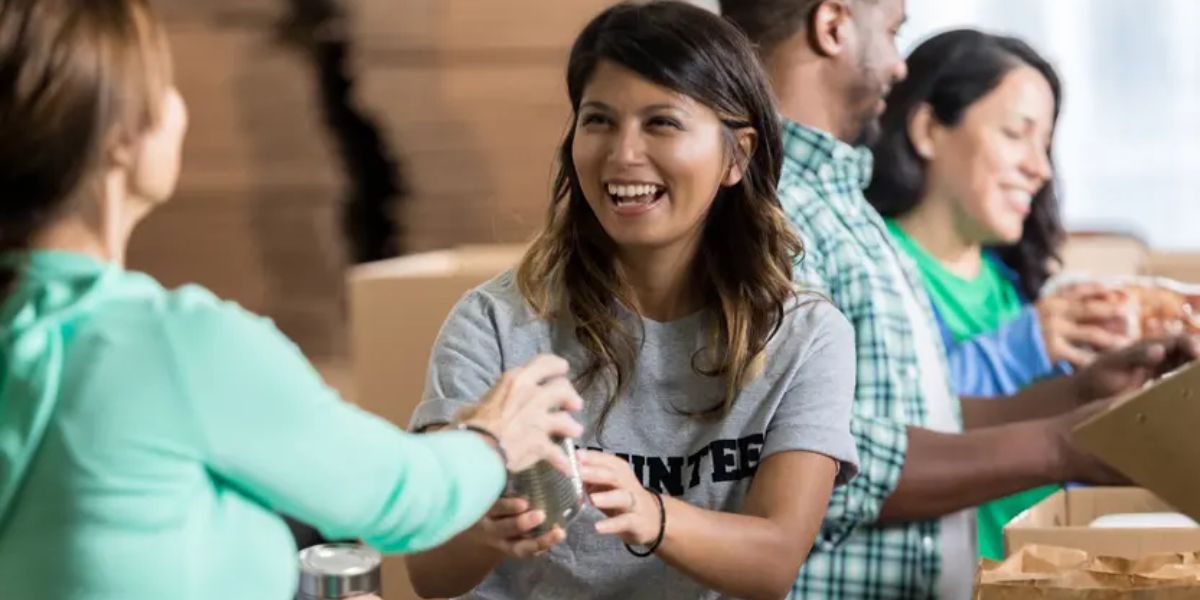
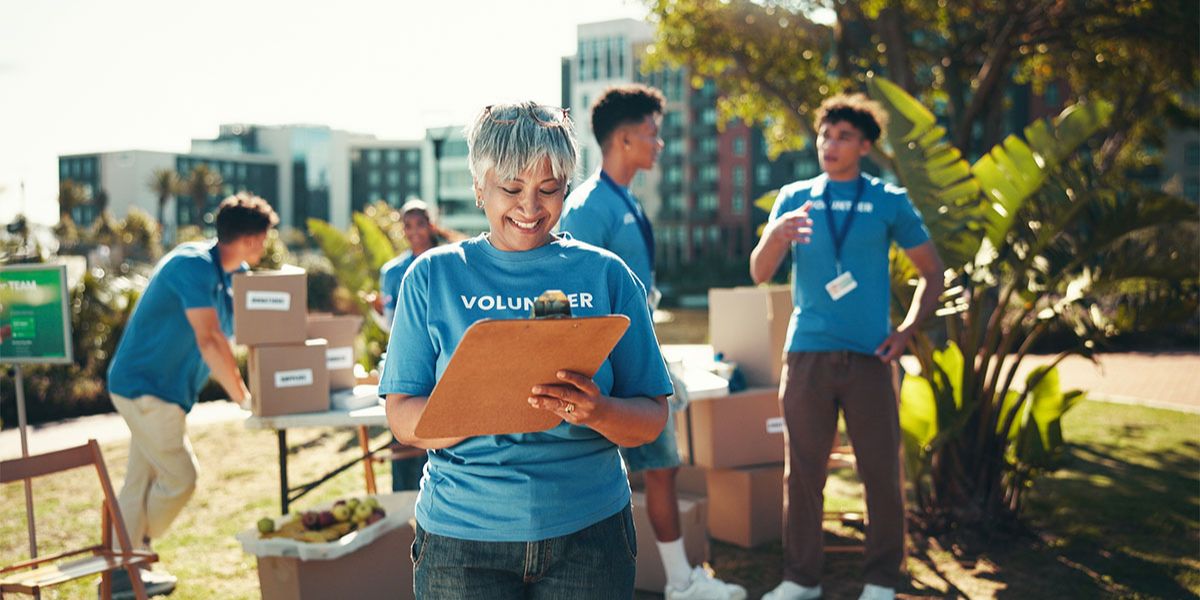
Volunteering is not just about giving time—it’s about creating stronger bonds within communities. In cities like New York, Chicago, and Los Angeles, volunteers contribute to programs addressing homelessness, education, healthcare, and food insecurity. These efforts bridge gaps that government programs often cannot fully cover.
Table of Contents
When residents volunteer in their local communities, they not only support vulnerable groups but also build trust and empathy among diverse populations. The lesson here is clear: volunteering weaves individuals into a stronger social fabric where everyone has a role in community well-being.
How Volunteer Work Strengthens Social Connections
One of the most significant ways volunteering strengthens U.S. cities is by connecting people across cultural, economic, and generational divides. Programs like Habitat for Humanity or local food banks often bring together people from very different walks of life to work toward a common goal.
Benefits of these social connections include:
- Building empathy between individuals of diverse backgrounds.
- Reducing isolation among groups such as seniors or immigrants.
- Creating civic pride by working toward visible, positive change in neighborhoods.
These connections lay the groundwork for inclusive, resilient communities that can face challenges together.
Volunteering and Civic Engagement
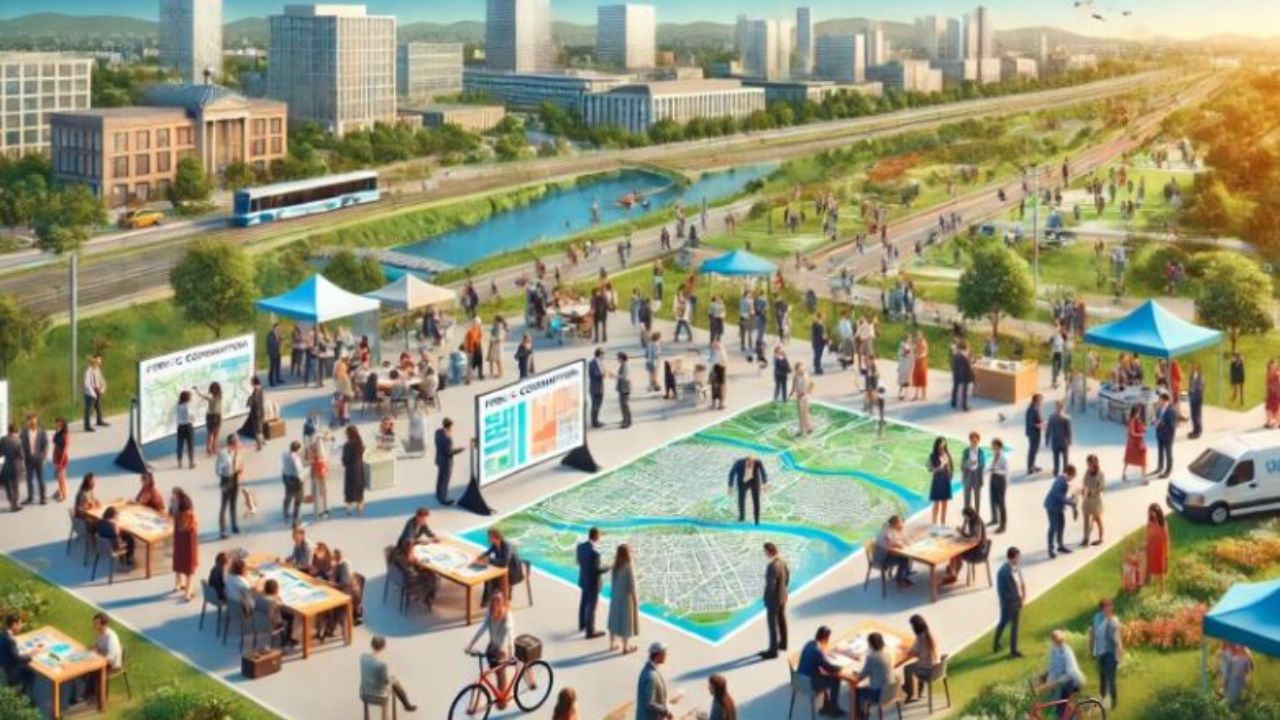
Cities that encourage volunteerism often see higher levels of civic participation overall. When individuals dedicate time to community initiatives, they are more likely to engage in other civic activities such as voting, attending public meetings, or advocating for policy changes.
For example, many cities across the U.S. have adopted volunteer-based advisory boards that influence local decision-making. This shows that volunteerism not only fills gaps in services but also strengthens democratic participation at the local level.
Economic and Social Impact of Volunteerism
Volunteering also has measurable economic and social benefits. According to Independent Sector, the estimated value of volunteer time in the U.S. is over $30 per hour, demonstrating its financial impact on local economies. More importantly, the social return is immense: volunteers provide mentorship, health support, and community safety initiatives that contribute to long-term community stability.
Cities like Austin, TX, and Portland, OR, have seen neighborhood revitalization projects succeed largely because of local volunteer involvement. This proves that when residents invest their time and energy, entire communities benefit economically and socially.
Volunteerism in Times of Crisis
The COVID-19 pandemic highlighted the importance of volunteerism in maintaining social cohesion. Across U.S. cities, volunteers delivered groceries to seniors, organized mask distribution drives, and supported frontline workers. Similarly, after natural disasters such as hurricanes or wildfires, volunteers are often among the first to provide relief, showing how crucial their role is in moments of crisis.
This responsiveness builds trust in communities and demonstrates the resilience that comes from collective action.
Encouraging Youth Participation in Volunteer Programs
A key lesson for strengthening the social fabric is engaging young people in volunteer activities. Programs like AmeriCorps and city-based initiatives encourage students and young professionals to give back while developing leadership skills.
When youth are engaged in volunteering early, they are more likely to continue contributing to their communities as adults. This helps ensure that the culture of volunteerism remains strong in U.S. cities for generations to come.
Technology and the Future of Volunteering
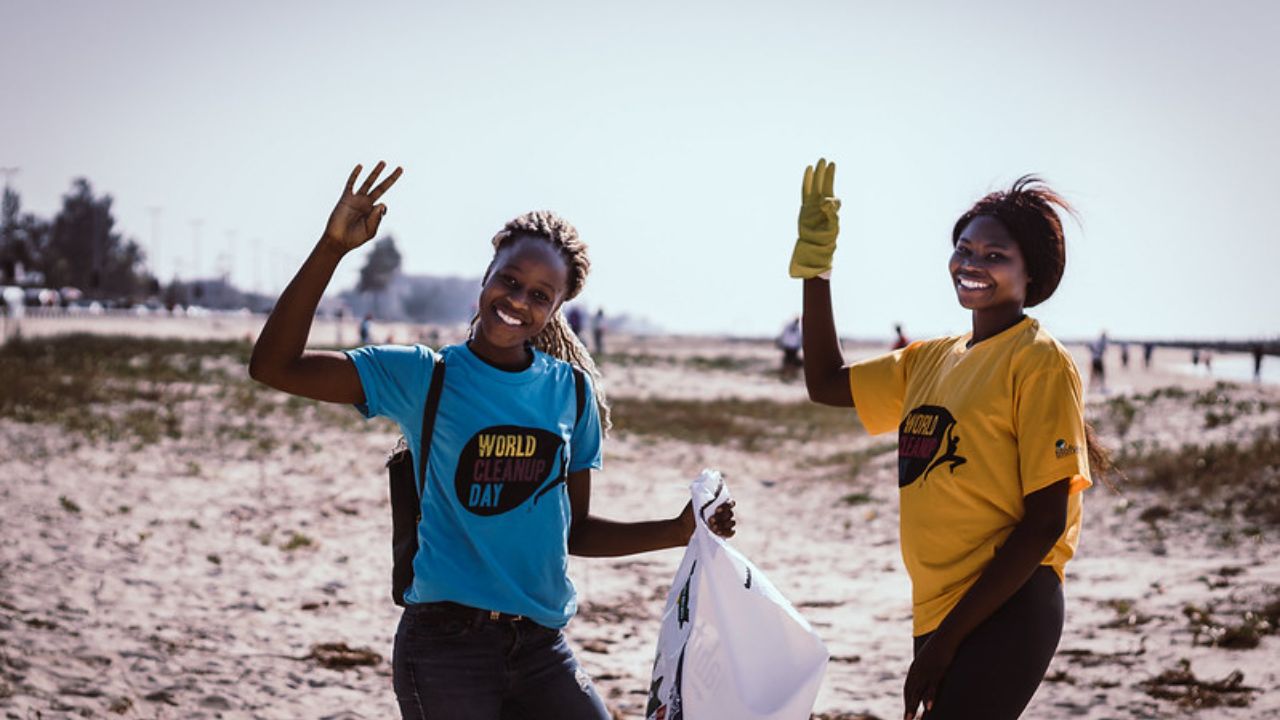
Digital platforms have made volunteering more accessible than ever. Websites and apps now connect individuals with opportunities tailored to their skills and availability. Cities are leveraging technology to coordinate large-scale projects, from food distribution to environmental cleanups.
Virtual volunteering—such as tutoring, mentoring, or providing administrative support for nonprofits—has also expanded the reach of volunteer efforts. The use of technology ensures that more people can engage, regardless of location or schedule.
Conclusion: Volunteering as the Glue of U.S. Cities
The social fabric of U.S. cities is strongest when residents actively invest in their communities through volunteering. From building connections and reducing inequality to promoting civic engagement and responding to crises, volunteerism is a cornerstone of resilient urban life.
The key takeaway is that volunteering is not only about service—it’s about building trust, solidarity, and hope within cities. As communities continue to face complex challenges, the power of volunteers will remain essential in shaping inclusive, thriving urban environments.
How do you see volunteering shaping your community? Share your perspective in the comments, and explore more ways to get involved with community initiatives at PKCM.org.