Across the United States, volunteering has emerged as more than just a way to give back—it has become a vital tool for improving mental health and overall well-being. From small towns to bustling cities, Americans are discovering that dedicating time to community service can have profound psychological benefits while also strengthening the social fabric of their neighborhoods. This article explores the key ways volunteering supports mental health and why U.S. communities benefit from a culture of service.
Understanding the Connection Between Volunteering and Mental Health
Volunteering is widely recognized as a form of prosocial behavior—actions that benefit others while simultaneously enhancing personal well-being. Studies have consistently shown that individuals who volunteer experience lower levels of stress, anxiety, and depression. For example, a 2020 report by the Corporation for National and Community Service highlighted that regular volunteers report improved emotional well-being and life satisfaction compared to non-volunteers.
Table of Contents
The connection between volunteering and mental health lies in several factors:
- Sense of Purpose: Helping others fosters meaning in life, which can reduce feelings of emptiness or depression.
- Social Interaction: Volunteering often involves connecting with others, creating supportive social networks.
- Skill Development: Gaining new skills or responsibilities can boost confidence and self-esteem.
In essence, volunteering acts as both a social and emotional support system, providing structure and purpose in everyday life.
Volunteering Reduces Stress and Anxiety
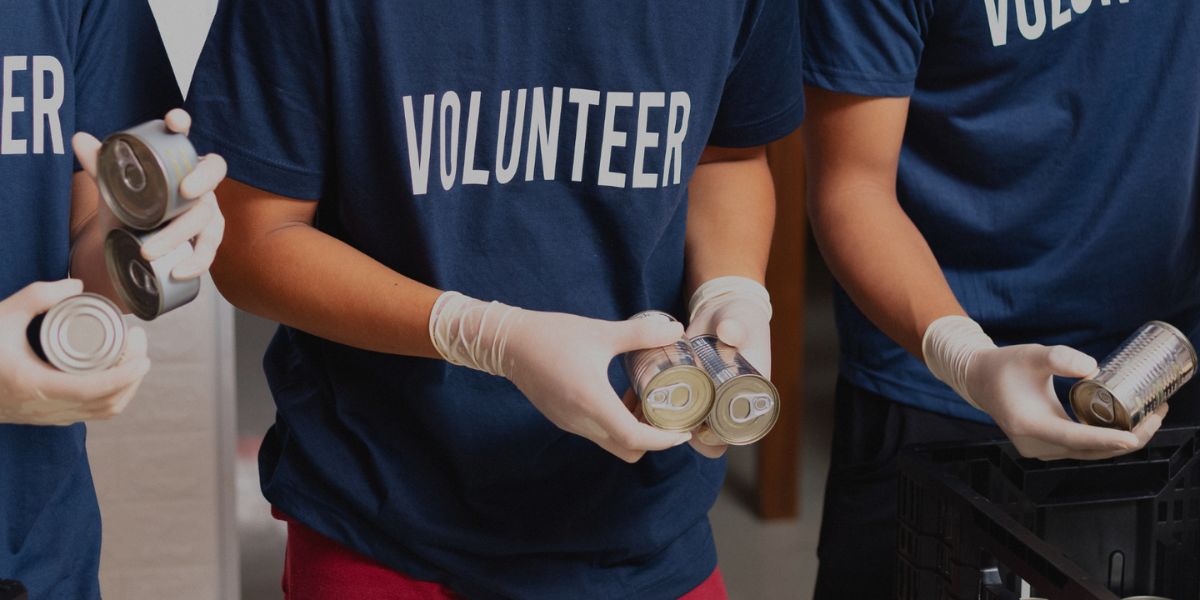
Engaging in volunteer activities allows individuals to shift focus away from personal worries and daily stressors. Whether assisting at a food bank in Los Angeles or tutoring students in Chicago, volunteers often find that immersing themselves in meaningful work reduces mental strain. Studies indicate that helping others can release endorphins, creating a natural “helper’s high” that reduces stress and promotes a sense of calm.
Additionally, volunteering encourages mindfulness by keeping people engaged in the present moment. This focus on immediate tasks and interactions helps mitigate rumination, a common contributor to anxiety and depressive symptoms.
Building Social Connections Through Community Service
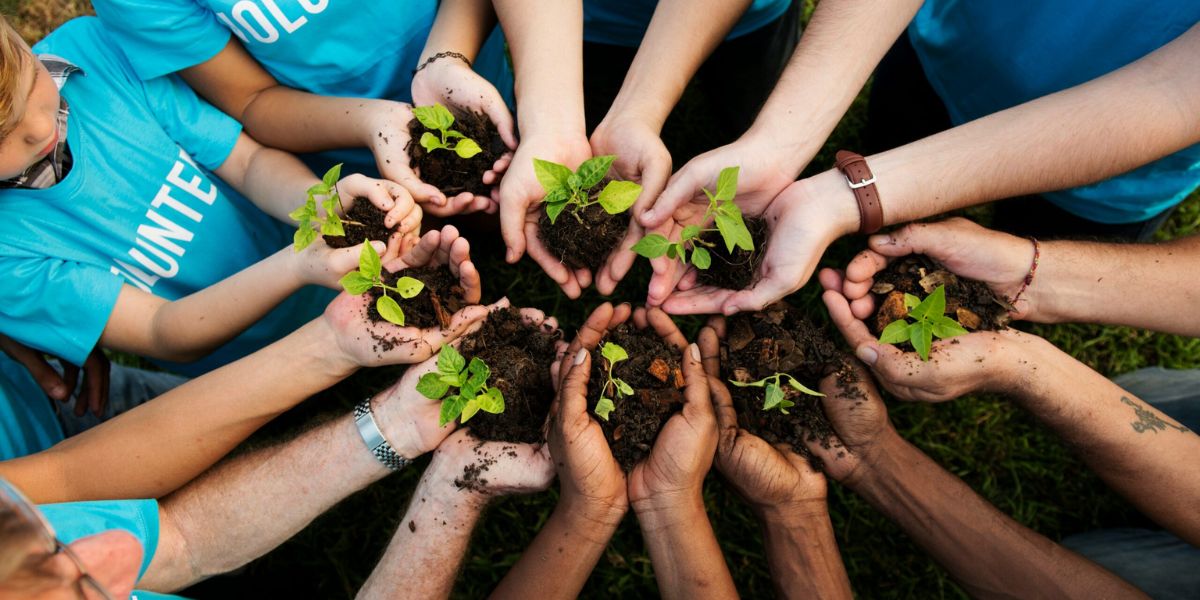
Loneliness and social isolation are growing concerns across U.S. communities, particularly among seniors and young adults. Volunteering provides a platform to meet new people, establish friendships, and strengthen social bonds. For instance, community gardens in cities like Portland, OR, and New York City not only provide fresh produce but also create spaces for volunteers to socialize, collaborate, and feel part of a supportive community.
Strong social connections are directly linked to better mental health outcomes, including lower rates of depression and higher overall life satisfaction. The sense of belonging developed through volunteering can be a lifeline for individuals struggling with social isolation.
Promoting a Sense of Purpose and Self-Worth
One of the most powerful mental health benefits of volunteering is the sense of purpose it instills. Volunteering provides tangible evidence that one’s actions matter, whether it’s mentoring at-risk youth, cleaning local parks, or assisting at shelters. This sense of contribution fosters self-worth and resilience, particularly for individuals navigating difficult life transitions or mental health challenges.
In U.S. communities, programs like AmeriCorps and local nonprofit initiatives actively promote volunteerism as a tool for personal growth, demonstrating how service can enhance emotional well-being while making a positive community impact.
How Volunteering Improves Cognitive and Emotional Skills
Volunteering doesn’t just improve mood—it also benefits cognitive and emotional functioning. Activities that involve problem-solving, planning, and leadership help sharpen mental faculties. Furthermore, interacting with diverse populations fosters empathy, perspective-taking, and emotional intelligence. For example, volunteers assisting refugees in cities like Houston or Minneapolis gain firsthand understanding of different cultural experiences, which can expand emotional awareness and social sensitivity.
These cognitive and emotional benefits contribute to long-term mental resilience, helping individuals better manage life challenges and stress.
Encouraging Volunteerism in Your Community
Given its wide-ranging benefits, fostering a culture of volunteerism in U.S. communities is essential. Local governments, nonprofits, and schools can encourage participation through:
- Volunteer Fairs: Introducing residents to available opportunities.
- Corporate Volunteer Programs: Allowing employees to dedicate time during work hours.
- Community Challenges: Organizing events that promote group volunteering and friendly competition.
Even small acts of service—like assisting neighbors or participating in local clean-ups—can contribute to a stronger, healthier community.
Conclusion: Volunteering as a Path to Better Mental Health
Volunteering in U.S. communities is more than just a civic duty; it is a powerful pathway to enhanced mental health and emotional resilience. By fostering social connections, reducing stress, and providing a sense of purpose, community service benefits both volunteers and the broader community.
The takeaway is clear: when individuals commit their time to helping others, they not only make their neighborhoods stronger but also invest in their own well-being.
Ready to make a difference while boosting your mental health? Explore local volunteer opportunities and community programs today by visiting PKCM.org. Your time and effort can create lasting change for yourself and your community.