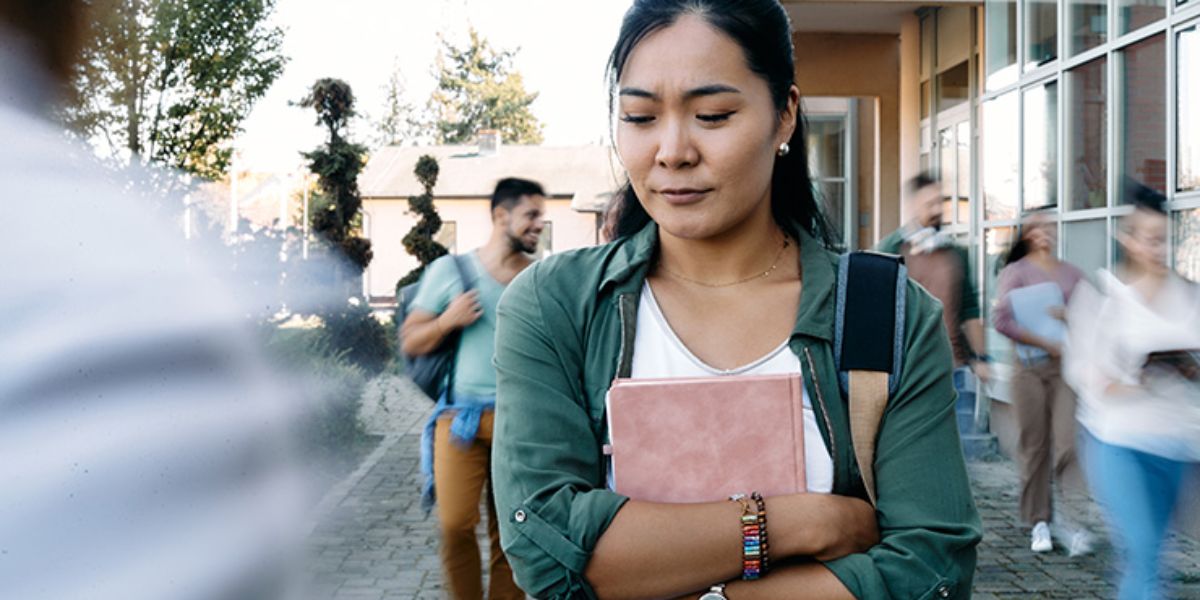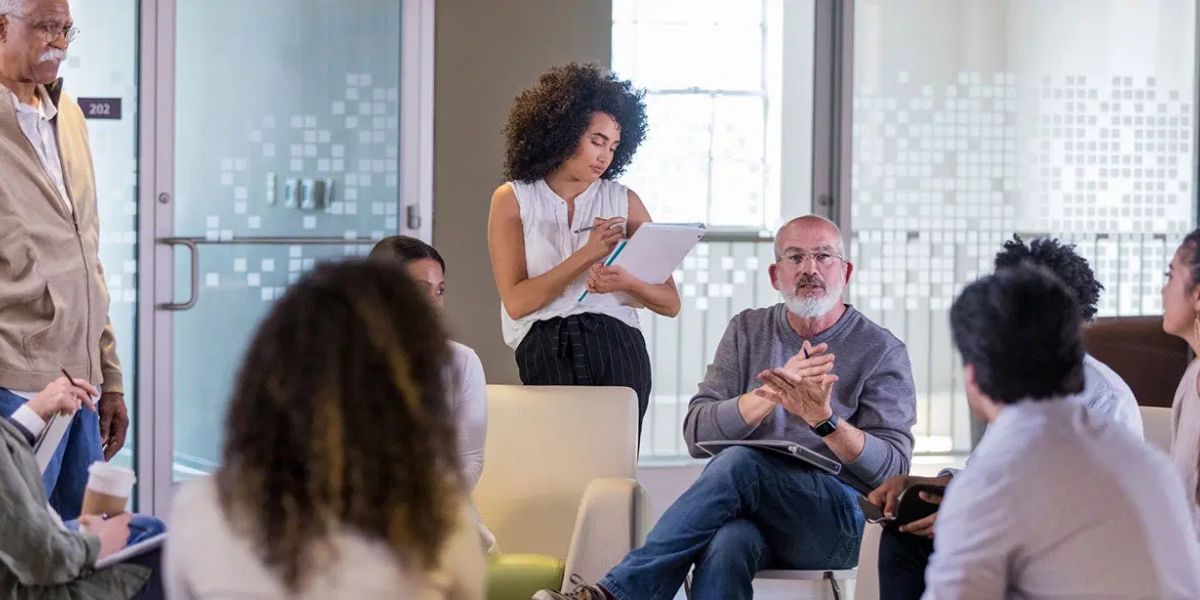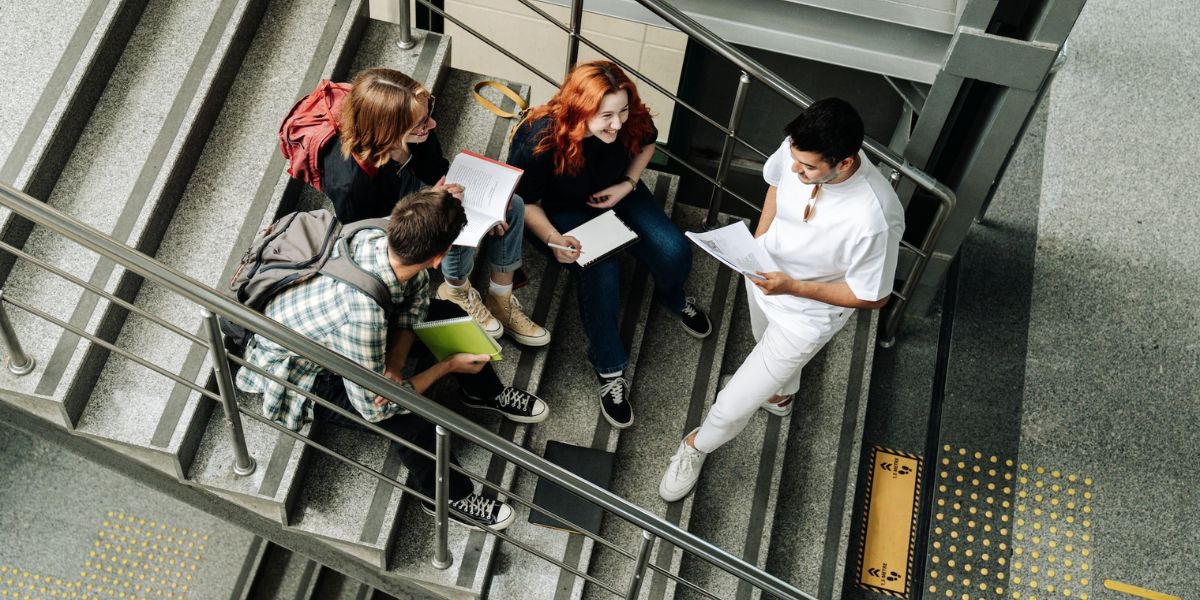
In schools across the U.S., fostering a strong sense of support is crucial for students’ emotional, mental, and academic well-being. Group support networks—groups where students, staff, and communities collaborate to provide emotional, psychological, and practical help—play a vital role in ensuring that no student feels alone or unsupported. This article explores effective strategies for building these essential networks in U.S. schools, highlighting best practices and real-life examples.
1. The Importance of Group Support Networks in Schools
Group support networks are essential in schools as they promote a culture of care and inclusion. When students feel supported by their peers, teachers, and school staff, they are more likely to engage in school activities, perform better academically, and develop positive social skills.
Table of Contents
The need for such networks became especially apparent during the COVID-19 pandemic, where remote learning and social isolation increased mental health challenges among students. As students returned to in-person learning, many schools found that creating a sense of community and support was essential for their well-being. The key lesson here is that strong group support networks help students thrive both academically and emotionally.
2. Peer Mentorship Programs: A Powerful Strategy for Building Support
One of the most effective strategies for building group support networks in schools is through peer mentorship programs. These programs pair older, more experienced students with younger ones, providing both academic guidance and emotional support. Peer mentors act as role models, offering advice on everything from schoolwork to personal issues.
Research has shown that peer mentorship programs have a positive impact on both the mentors and the mentees. Mentors often develop leadership skills and empathy, while mentees benefit from the guidance and reassurance of their peers. Schools that implement peer mentorship programs, like those in Chicago and New York, often see improved school culture, better academic performance, and a greater sense of belonging among students.
The lesson here is clear: peer mentorship fosters a supportive environment where students learn from each other, creating lasting bonds of trust and understanding.
3. Teacher and Staff Support: Training and Resources for Effective Group Dynamics
Teachers and staff play an integral role in building group support networks. Schools should prioritize training staff to recognize the signs of emotional or mental distress among students and provide them with the resources to support those in need.
Effective training includes teaching staff about mental health issues, conflict resolution, and active listening. Furthermore, having designated counselors and support staff who can intervene when needed ensures that students have a trusted adult to turn to. In schools such as those in Seattle and Los Angeles, where staff are equipped with the tools to address student concerns, there has been a notable increase in students’ emotional and academic resilience.
The key lesson here is that staff members need to be proactive and well-equipped to nurture group support, creating a safe and welcoming environment for all students.
4. After-School Programs and Clubs: Creating Spaces for Group Bonding
Extracurricular activities, including after-school programs and clubs, are another excellent way to build support networks in schools. These programs provide students with a sense of community beyond the classroom and offer an opportunity to connect with peers who share similar interests.
Whether it’s a sports team, a debate club, a music group, or an art class, extracurricular activities allow students to find their niche and develop relationships that transcend academic pressures. Schools like those in Austin, TX, have used after-school programs as a tool to promote inclusivity, where students from various backgrounds come together to work on common goals and support one another.
The lesson here is that extracurricular programs offer students a structured space to build relationships and emotional support, enhancing their overall school experience.
5. Creating Safe Spaces for Open Communication and Support
Creating safe spaces where students feel comfortable expressing themselves is a cornerstone of any effective support network. Many schools have begun offering “safe spaces” for students to gather, talk, and share their experiences in a non-judgmental environment. These spaces can be physical locations, like counseling rooms or community centers, or virtual platforms that allow for open dialogue about sensitive issues.
In cities like San Francisco, safe spaces have been established specifically for LGBTQ+ students and students of color, where they can receive peer support and have their voices heard. These spaces promote inclusivity and foster a culture of respect and understanding, where students can find both emotional and social support.
The key takeaway is that safe spaces help students feel heard and validated, empowering them to engage fully in school life.
6. Engaging Families in the Support Process
A strong support network doesn’t stop at the school gate—it extends to the home. Engaging families in the process is essential for creating sustainable group support systems. Schools should encourage open communication with parents and guardians, helping them understand their role in supporting their child’s well-being.
Programs that invite parents to participate in school events or offer family counseling services can bridge the gap between home and school. Schools in communities like Houston, TX, have successfully involved families in their support systems through workshops and family engagement initiatives, ensuring that students feel supported both at home and at school.
The lesson here is that family involvement strengthens the overall support network, allowing for a holistic approach to student well-being.
7. Celebrating Diversity and Promoting Inclusivity
An inclusive school culture that celebrates diversity plays a pivotal role in building group support networks. Schools need to recognize and appreciate the differences among students, creating an environment where all individuals feel accepted and valued.
Diversity initiatives, such as multicultural events, heritage months, and inclusion training, help foster mutual respect and understanding among students from different backgrounds. Cities like Minneapolis have made significant strides in promoting inclusivity by incorporating diversity into their school curriculum and student activities.
The takeaway is that when students feel respected and included, they are more likely to engage in positive group dynamics and build strong, supportive networks.
Conclusion
As U.S. schools continue to prioritize student well-being, building effective group support networks remains one of the most important strategies for fostering a positive and inclusive school environment. Peer mentorship programs, teacher support, extracurricular activities, safe spaces, family engagement, and inclusivity all play critical roles in ensuring that every student has the support they need to succeed.
The lesson here is that building strong support networks requires the collaboration of students, staff, families, and the wider community. By working together, schools can create environments where all students feel valued, supported, and empowered to reach their full potential.
What steps is your school taking to build strong support networks for students? Share your thoughts in the comments below! For more information on creating supportive school environments, visit PKCM.org.