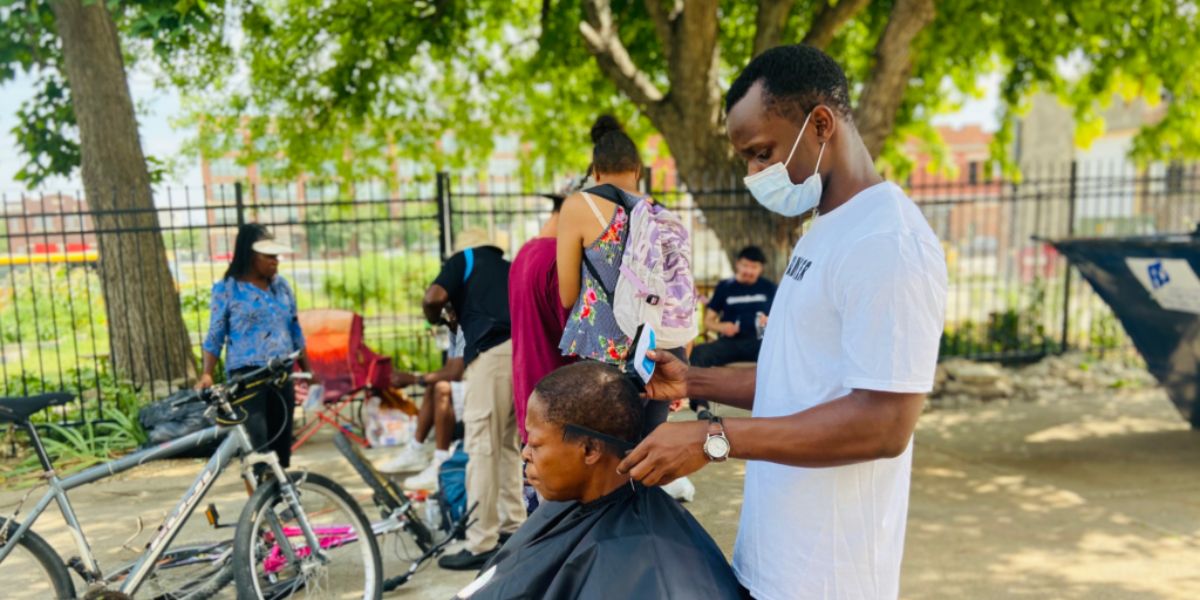
Homelessness remains one of the most pressing social issues in the United States, with millions of Americans facing unstable housing conditions every year. While government programs have made strides to address homelessness, faith-based organizations have emerged as vital partners in this fight. Through Kingdom outreach initiatives, religious groups across the country are providing not only shelter but also hope, support, and community to individuals experiencing homelessness. This article explores how faith-based Kingdom outreach initiatives are supporting homeless populations in the U.S. and the lessons that can be learned from their efforts.
The Role of Faith-Based Organizations in Addressing Homelessness
Faith-based organizations in the U.S. have long been at the forefront of providing support to marginalized groups, and those experiencing homelessness are no exception. Churches, synagogues, mosques, and other religious institutions often operate shelters, food pantries, and outreach programs that directly meet the needs of homeless individuals.
Table of Contents
These initiatives typically have a unique advantage in building trust with communities in need, as they offer not only material support but also spiritual guidance and a sense of belonging. By focusing on both physical and emotional well-being, faith-based organizations address the holistic needs of the homeless population. The key lesson here is that comprehensive care, which goes beyond just providing a bed, can significantly impact the long-term success of homelessness intervention programs.
Kingdom Outreach: A Holistic Approach to Homelessness
Kingdom outreach is rooted in the belief that helping those in need is an essential aspect of faith. U.S. religious groups, inspired by this principle, offer a variety of services that address both immediate and long-term challenges of homelessness. These include providing temporary shelter, meals, and clothing, but also extending a helping hand to those seeking to regain independence.
In cities like Los Angeles and New York, churches are partnering with social services to offer job training, financial literacy classes, and addiction recovery programs. These outreach initiatives are designed not only to support the homeless but to help them rebuild their lives. Kingdom outreach initiatives go beyond charity by providing a pathway for people to reintegrate into society with dignity and purpose.
The Power of Faith-Based Partnerships with Local Governments
One of the most successful models of addressing homelessness in the U.S. has been the partnership between faith-based organizations and local governments. While religious groups often provide the hands-on support, government agencies offer the resources needed to scale initiatives. This partnership can be seen in initiatives like the “Housing First” programs in cities such as Salt Lake City, where faith-based groups collaborate with local officials to provide immediate housing, health care, and social services.
This model has proven to be more effective than traditional shelters alone because it focuses on permanent solutions rather than just temporary fixes. The lesson here is that collaborative efforts between faith-based organizations and government agencies can amplify the impact of homelessness initiatives and provide long-term support for those in need.
Building Community and Social Connections Through Faith-Based Outreach
One of the most critical aspects of Kingdom outreach is the sense of community it fosters. Homeless individuals often face not just physical displacement but also emotional and social isolation. Faith-based outreach programs help combat this by creating supportive environments where people are treated with dignity and respect.
Churches, mosques, and synagogues frequently offer social events, group meals, and prayer services that bring people together. This builds a sense of belonging and helps break the isolation that many homeless individuals experience. By incorporating community-building activities into their outreach efforts, faith-based organizations help homeless individuals feel connected to a network of people who care about their well-being. The key takeaway is that addressing homelessness isn’t just about providing shelter—it’s about helping people feel part of a community.
Creating Sustainable Solutions Through Faith-Based Mentorship Programs
In addition to offering material support, faith-based organizations in the U.S. are creating sustainable change through mentorship programs. Many religious groups operate long-term mentorship initiatives where volunteers work with homeless individuals to provide guidance on personal goals, career paths, and spiritual growth.
For example, some faith-based groups have launched job readiness programs, where homeless individuals are paired with mentors who help them learn new skills, improve their resumes, and prepare for interviews. These mentorships can be the turning point for individuals who are ready to make a positive change but need guidance and support.
Faith-based mentorship programs have the potential to offer not only job-related skills but also emotional and spiritual support, giving participants the tools they need to break the cycle of homelessness. The lesson here is that sustainable solutions come when individuals are equipped with both practical skills and the confidence to change their lives.
Faith-Based Outreach Programs for Families Experiencing Homelessness
While much of the attention on homelessness in the U.S. has focused on individuals, it’s important to recognize that families are also among the most vulnerable populations. Faith-based Kingdom outreach initiatives in the U.S. have developed programs specifically designed for families experiencing homelessness.
These programs often provide safe shelter, nutritious meals, and educational support for children. In some cases, faith-based organizations offer family counseling, helping parents navigate the emotional challenges of homelessness while providing a stable environment for their children. Cities like Atlanta and Detroit have seen success in addressing family homelessness through partnerships with local churches and community organizations.
The lesson here is that addressing family homelessness requires specialized programs that not only offer shelter but also provide the resources and emotional support needed to ensure the long-term stability of families.
Conclusion
Faith-based Kingdom outreach initiatives have proven to be a powerful force in addressing homelessness in the U.S. By focusing on holistic care, community building, mentorship, and strategic partnerships with local governments, these organizations have been able to make a significant impact on the lives of homeless individuals and families.
The key takeaway is that the fight against homelessness requires more than just providing shelter—it requires addressing the root causes and offering a path toward independence and reintegration into society. Faith-based outreach programs are uniquely positioned to provide the emotional, spiritual, and practical support necessary to break the cycle of homelessness for good.
What are your thoughts on faith-based solutions to homelessness? Share your experiences in the comments below and visit PKCM.org to learn more about community outreach initiatives.