Over the past decade, co-working spaces have transformed the way Americans work. These collaborative environments, once a niche concept, have grown exponentially, shaping how businesses, freelancers, and entrepreneurs operate. The rise of co-working spaces has not only redefined traditional office structures but has also had a profound impact on U.S. communities. In this article, we explore the growing trend of co-working spaces and the positive effects they have on local communities, including economic growth, social connections, and the flexibility they provide in the modern workforce.
1. What Are Co-working Spaces?
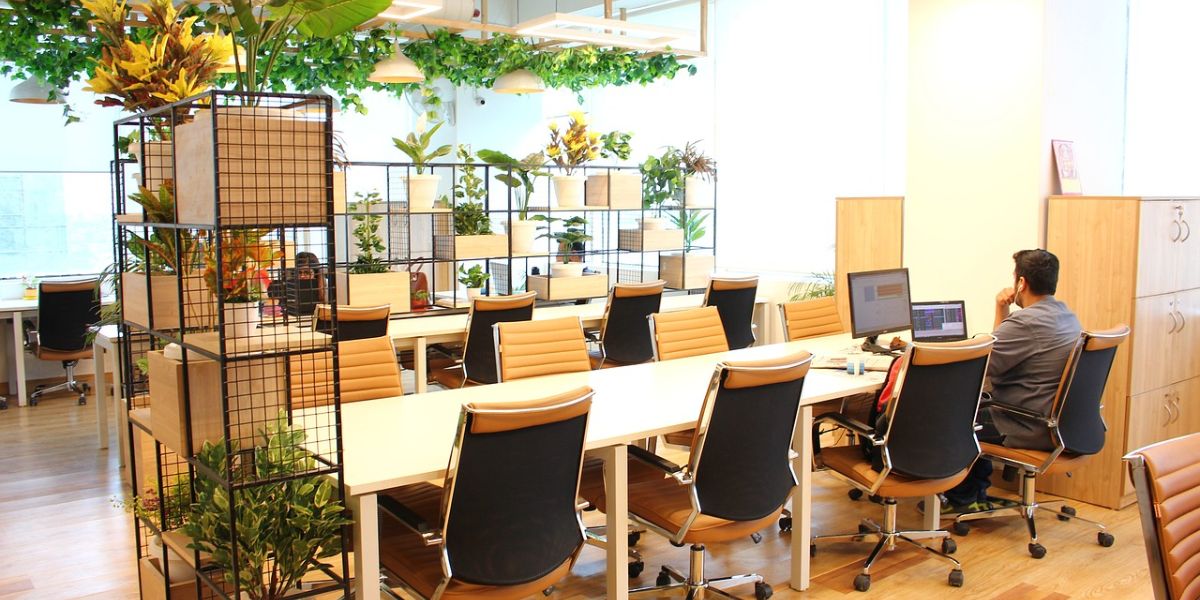
Co-working spaces are shared office environments where individuals from different organizations or industries work together in a collaborative setting. Unlike traditional office settings, co-working spaces typically offer flexible membership options, ranging from hourly to monthly plans, and provide access to shared resources like high-speed internet, meeting rooms, and office equipment.
Table of Contents
The concept of co-working space was born in 2005 when Brad Neuberg opened the first official co-working facility in San Francisco, combining the benefits of shared space with the freedom of freelancing. Since then, co-working spaces have become a key part of the modern work landscape, particularly in large cities and metropolitan areas across the U.S.
2. Economic Impact: Supporting Local Economies
Co-working spaces have significantly contributed to the growth of local economies. By providing affordable office space, they help startups, freelancers, and small businesses thrive without the high overhead costs associated with traditional office leases. This flexibility allows entrepreneurs to test ideas, grow their businesses, and access a wider network of professionals, which can lead to new partnerships, collaborations, and innovations.
In addition, co-working spaces often provide opportunities for businesses to scale. Startups, in particular, benefit from the ability to rent office space that suits their needs, whether that means sharing space with other companies or expanding to larger offices within the same facility. As a result, co-working spaces help foster an entrepreneurial spirit, contributing to job creation and driving local economic activity.
3. Social Impact: Building Stronger Communities
Beyond their economic influence, co-working spaces are also creating social impact by fostering a sense of community among people who may otherwise work in isolation. Freelancers, remote workers, and small businesses that typically lack access to a traditional office environment now have a space to connect and collaborate.
Many co-working spaces organize networking events, workshops, and community-building activities, giving members the chance to meet new people, share ideas, and grow professionally. This sense of belonging helps reduce the loneliness that many remote workers feel, offering them the opportunity to build both personal and professional relationships within their community.
In fact, research shows that the sense of community provided by co-working spaces is one of the main reasons people choose to work in these environments. The ability to collaborate and socialize fosters a strong sense of local connection, which can positively impact individuals’ well-being and productivity.
4. The Rise of Flexible Workspaces Post-Pandemic
The COVID-19 pandemic has accelerated the trend of remote work and flexible office spaces. As companies adapt to new work models, the demand for co-working spaces has surged, with many businesses opting for hybrid work environments. Employees who previously worked from home are now seeking co-working spaces as a way to balance the flexibility of remote work with the social and collaborative benefits of an office environment.
This shift in the workforce has given rise to “flexible workspaces,” which provide even more versatility than traditional co-working spaces. These spaces are designed to accommodate both individual workers and teams, offering areas for quiet work, collaborative spaces, and private offices. This increased demand for flexible workspaces has prompted more companies to invest in creating co-working spaces that cater to the needs of modern professionals.
5. Co-working Spaces as Hubs for Innovation and Creativity
Co-working spaces have become hubs of innovation and creativity, especially in tech and creative industries. With diverse individuals from various backgrounds working side by side, the exchange of ideas happens organically. This type of environment fosters innovation, as people are exposed to different ways of thinking and problem-solving.
Many co-working spaces offer specialized resources for certain industries, such as tech hubs that provide access to advanced software and equipment, or creative spaces that offer tools for designers and artists. These shared resources lower barriers to entry for small businesses and startups, providing them with the tools they need to compete in the marketplace.
Furthermore, co-working spaces frequently host innovation challenges, hackathons, and collaborative projects, allowing members to work together on solving global or local issues. These events help create a culture of innovation, driving forward new ideas that can positively impact both local communities and the broader economy.
6. Environmental Impact: Sustainable Solutions for Modern Workspaces
Co-working spaces are also contributing to the movement for sustainable business practices. By sharing resources, such as office supplies, meeting rooms, and technology, co-working spaces reduce the environmental impact of individual offices. These spaces also often incorporate sustainable design elements, such as energy-efficient lighting, eco-friendly materials, and recycling programs, further supporting environmental goals.
Many co-working spaces also promote sustainability through partnerships with local organizations and initiatives. For example, some facilities may offer eco-conscious transportation options, such as bike-sharing programs, or partner with community-based environmental organizations. These initiatives help reduce the carbon footprint of businesses operating in co-working spaces, making them a more sustainable option for modern workers.
Conclusion
The rise of co-working spaces has had a profound effect on U.S. communities, transforming how people work, collaborate, and interact. From economic growth and job creation to building social connections and fostering innovation, co-working spaces are playing a key role in shaping the future of work in America. As the workforce continues to evolve, the role of co-working spaces in creating flexible, inclusive, and sustainable work environments will only continue to grow.
For cities and communities, embracing co-working spaces can help attract talent, drive economic activity, and enhance the quality of life for residents. As we move into the future, it’s clear that co-working spaces will remain a vital part of the evolving work landscape, contributing to stronger, more connected communities.
Interested in learning more about how co-working spaces can benefit your community? Visit PKCM.org for resources and opportunities to get involved in local community initiatives!