Natural disasters and emergencies can strike without warning, leaving destruction and chaos in their wake. Whether it’s a hurricane, wildfire, flood, or earthquake, U.S. cities are increasingly facing challenges related to disaster preparedness and recovery. Volunteers play an essential role in these recovery efforts, offering their time, skills, and resources to help communities rebuild and heal. This article explores why every U.S. city needs volunteers to support disaster recovery efforts and how their involvement can make a significant impact.
1. The Vital Role of Volunteers in Immediate Disaster Response
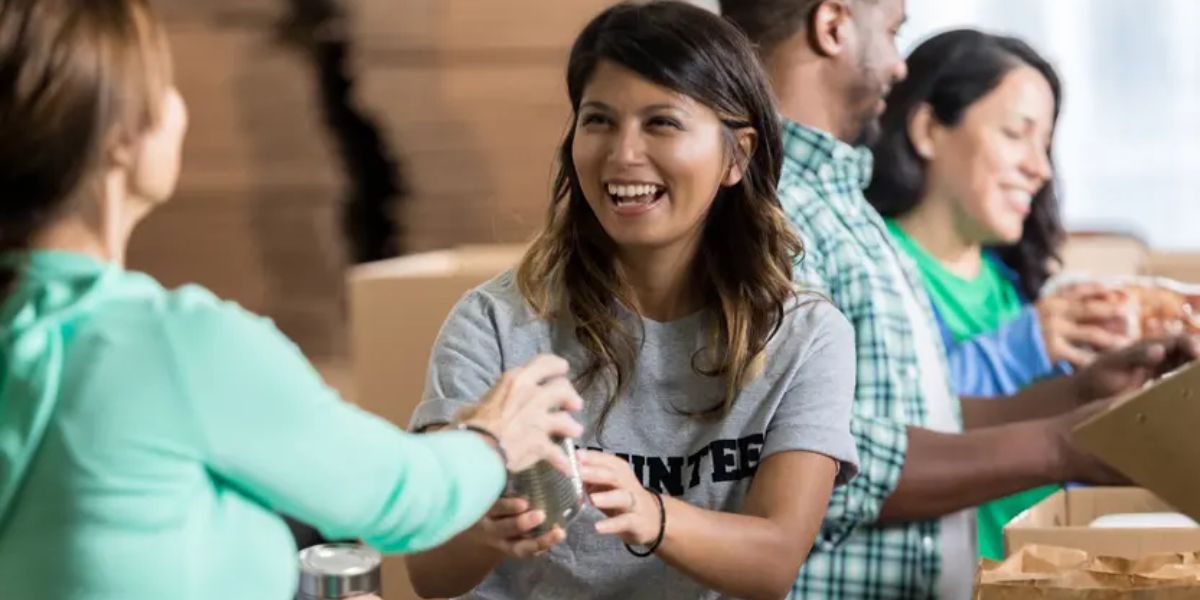
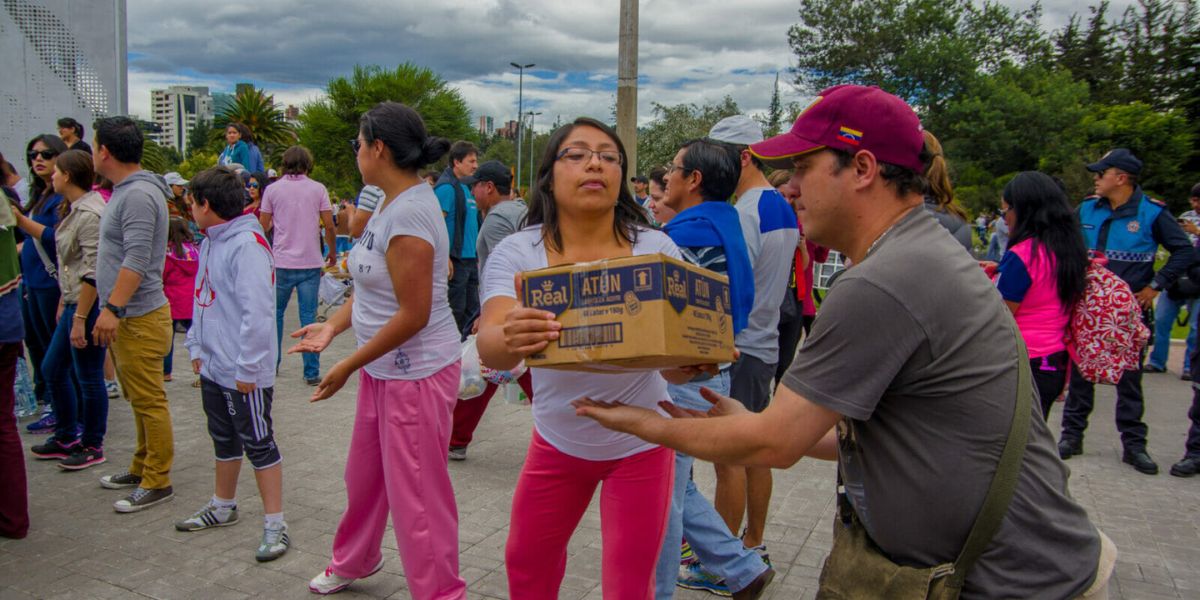
When disaster strikes, local authorities and emergency services are often stretched thin, and their resources are quickly overwhelmed. This is where volunteers become indispensable. In the initial aftermath of a disaster, volunteers assist with search-and-rescue operations, help evacuate people, provide first aid, and deliver food and water to affected areas. Volunteers provide immediate support that can save lives and ease the suffering of those affected.
Table of Contents
U.S. cities that mobilize local volunteer networks are more effective at responding to the immediate needs of their residents. Volunteers are often able to provide much-needed relief until professional services can reach the affected areas. The key lesson here is that volunteer mobilization is critical in the first hours and days after a disaster, when time is of the essence.
2. Community-Based Recovery: The Power of Local Volunteers
Disasters affect people at a personal level, and recovery efforts are most effective when they are community-driven. Volunteers from within the affected area bring invaluable knowledge about local infrastructure, culture, and resources. They are often the first to notice emerging issues and the best equipped to provide culturally sensitive solutions.
Local volunteers also strengthen the emotional and psychological recovery of communities by providing peer support. They share an understanding of the area and the trauma that residents have experienced, fostering a sense of solidarity and mutual support. The lesson here is that local volunteers have a deeper connection to the community, making them uniquely positioned to assist in both practical and emotional recovery.
3. Volunteers Bridge the Gap in Long-Term Recovery Efforts
While immediate relief efforts are crucial, the recovery process often takes months, or even years. Cities facing the aftermath of major disasters need volunteers who can commit to long-term recovery projects. These volunteers assist with rebuilding infrastructure, cleaning up debris, and supporting displaced families as they transition back into their homes.
In addition to physical labor, volunteers can also help with administrative tasks, such as assisting in the application for disaster relief funds or organizing donation drives. The involvement of volunteers in these long-term efforts helps alleviate the pressure on local governments and ensures that recovery is not just about returning to normal but about improving the resilience of the community for the future.
4. Volunteers Can Bring Specialized Skills to Disaster Recovery
Disaster recovery efforts often require a diverse set of skills beyond basic manual labor. Volunteers with specialized expertise—such as construction, medical care, legal aid, and mental health counseling—are essential in ensuring that recovery is thorough and efficient.
For example, trained medical volunteers provide emergency healthcare in shelters, while skilled construction volunteers assist with repairing homes and buildings. Mental health professionals offer counseling services to those traumatized by the disaster. U.S. cities that encourage volunteers with diverse skill sets help ensure that all aspects of recovery are addressed, from physical rebuilding to emotional healing.
The lesson here is that a skilled volunteer force can significantly enhance the quality and speed of disaster recovery efforts, ensuring that both immediate and long-term needs are met.
5. Volunteers Build Stronger, More Resilient Communities
Disaster recovery isn’t just about rebuilding infrastructure—it’s also about rebuilding community trust, social networks, and resilience. Volunteers help foster a sense of unity during and after a crisis, creating stronger ties between neighbors, organizations, and local leaders. This sense of unity is critical to a city’s ability to recover from future disasters.
By working together on recovery efforts, volunteers help cultivate a culture of resilience. They build connections between individuals, government agencies, and nonprofits, creating a more cohesive community prepared for future emergencies. The key takeaway is that volunteer involvement in recovery efforts strengthens the overall resilience of the community, making it more capable of withstanding future challenges.
6. The Need for Ongoing Volunteer Training and Preparedness
For cities to effectively use volunteers in disaster recovery efforts, it is essential to invest in ongoing volunteer training and preparedness. Volunteers must be familiar with safety protocols, disaster response strategies, and the specific needs of different communities to be effective in their roles.
Organizations like the American Red Cross and Team Rubicon offer training programs to prepare volunteers for disaster response. Training not only equips volunteers with the skills needed but also builds their confidence and ensures they are ready to act when the time comes. This lesson highlights the importance of proactive preparation—cities that have well-trained volunteers are better equipped to manage disaster recovery efforts quickly and efficiently.
7. The Importance of Volunteer Coordination and Management
Effective volunteer management is essential to ensure that volunteers are deployed in the right places at the right times. U.S. cities need a strong coordination framework to handle volunteer assignments, track their activities, and ensure that their efforts align with the overall disaster recovery plan.
Disaster recovery organizations often use volunteer management software and centralized command centers to keep track of volunteer tasks and resources. Cities that establish clear systems for volunteer coordination ensure that volunteers are utilized efficiently, and resources are not wasted. The lesson here is that organized volunteer efforts maximize the impact of disaster recovery and help avoid duplication of efforts.
8. Conclusion: Empowering Volunteers for a Better Future
In times of crisis, volunteers are often the unsung heroes who provide the manpower, expertise, and emotional support needed to help communities recover. From immediate response efforts to long-term rebuilding projects, volunteers play a pivotal role in ensuring that U.S. cities recover swiftly and effectively.
The key takeaway is that volunteers are an indispensable part of disaster recovery, and cities must invest in their preparation, coordination, and support to maximize their impact. By doing so, communities not only recover from disasters but also emerge stronger, more resilient, and better equipped to handle future challenges.
Interested in learning more about how your community can get involved in disaster recovery efforts? Visit PKCM.org for resources and volunteer opportunities!