Kingdom outreach programs across the United States are an essential component of the Christian mission to spread faith, serve communities, and foster global change. As we move into 2025, the nature of these programs is evolving in response to technological advances, shifting societal dynamics, and the ongoing need for compassion in the face of global challenges. This article will explore the key trends shaping the future of U.S.-based Kingdom outreach programs and what we can expect from these initiatives in the coming years.
1. Digital Evangelism: Reaching Beyond Physical Boundaries
In 2025, digital platforms will play an even more significant role in Kingdom outreach. As technology continues to shape the way people communicate and engage with each other, churches and Christian organizations are increasingly turning to online tools for evangelism. Virtual ministries, social media outreach, and live-streamed services have become commonplace, allowing the message of Christ to reach far beyond church walls and local communities.
Table of Contents
The COVID-19 pandemic demonstrated the power of digital outreach, and many U.S. churches are now investing in virtual mission work, social media campaigns, and online Bible study groups. The use of social media platforms such as Facebook, Instagram, TikTok, and YouTube allows churches to connect with younger generations who may not attend physical services. By utilizing online tools, Kingdom outreach efforts can spread to global audiences in real-time.
The key lesson here is that digital evangelism is more than just a trend—it is becoming a fundamental aspect of outreach in the U.S., enabling a broader and more inclusive reach.
2. Collaboration Across Denominations and Churches
A growing trend in U.S. Kingdom outreach is the collaboration between churches and ministries from different denominations. While differences in doctrine and practice have historically divided Christian communities, more and more congregations are coming together to support joint outreach programs, community service efforts, and global missions.
This spirit of unity is especially evident in large cities and suburban areas, where churches are focusing on common goals like homelessness, hunger relief, and educational support. By sharing resources, talents, and ideas, these collaborative efforts allow outreach programs to have a greater impact and foster a sense of unity in the Body of Christ.
The prediction for 2025 is that collaboration will continue to increase, with interdenominational partnerships becoming more common. This shift will lead to a more unified approach to Kingdom outreach, with churches setting aside doctrinal differences to work together for the common good.
3. Kingdom Outreach Focused on Social Justice and Advocacy
In recent years, many Kingdom outreach programs have placed a stronger emphasis on social justice issues. From racial equality to economic justice, U.S. Christians are increasingly addressing societal issues through their outreach efforts. This shift reflects the biblical call to care for the marginalized, oppressed, and vulnerable, as seen in the teachings of Jesus.
In 2025, we expect a continued push toward advocacy and activism in Kingdom outreach. Churches will continue to advocate for policies that promote social equity, human rights, and environmental justice. Programs focused on combating human trafficking, supporting refugees, and addressing systemic poverty will gain more traction.
The lesson from this trend is that Kingdom outreach is not limited to spiritual needs alone. It is expanding to encompass physical, emotional, and societal well-being, reinforcing the idea that the Kingdom of God is about holistic care for all people.
4. Local Outreach with Global Impact: A Global Perspective on Kingdom Outreach
While U.S.-based Kingdom outreach programs have traditionally focused on international missions, there is a growing emphasis on local outreach with a global perspective. Many churches are now looking to serve their local communities while also addressing global issues such as climate change, refugee support, and international poverty.
This trend represents a shift in mindset: rather than viewing Kingdom outreach as something separate between local and international efforts, there is a greater focus on how local initiatives can tie into global missions. For example, a church in the U.S. might support refugee resettlement locally, while also partnering with international organizations to help displaced people abroad.
In 2025, we predict that more churches will adopt this integrated approach to outreach. Volunteers will engage in both local and global initiatives simultaneously, and global missions will be more closely connected with local actions. This trend will allow the church to build stronger, more sustainable relationships with those in need both near and far.
5. Emphasis on Sustainable and Green Outreach
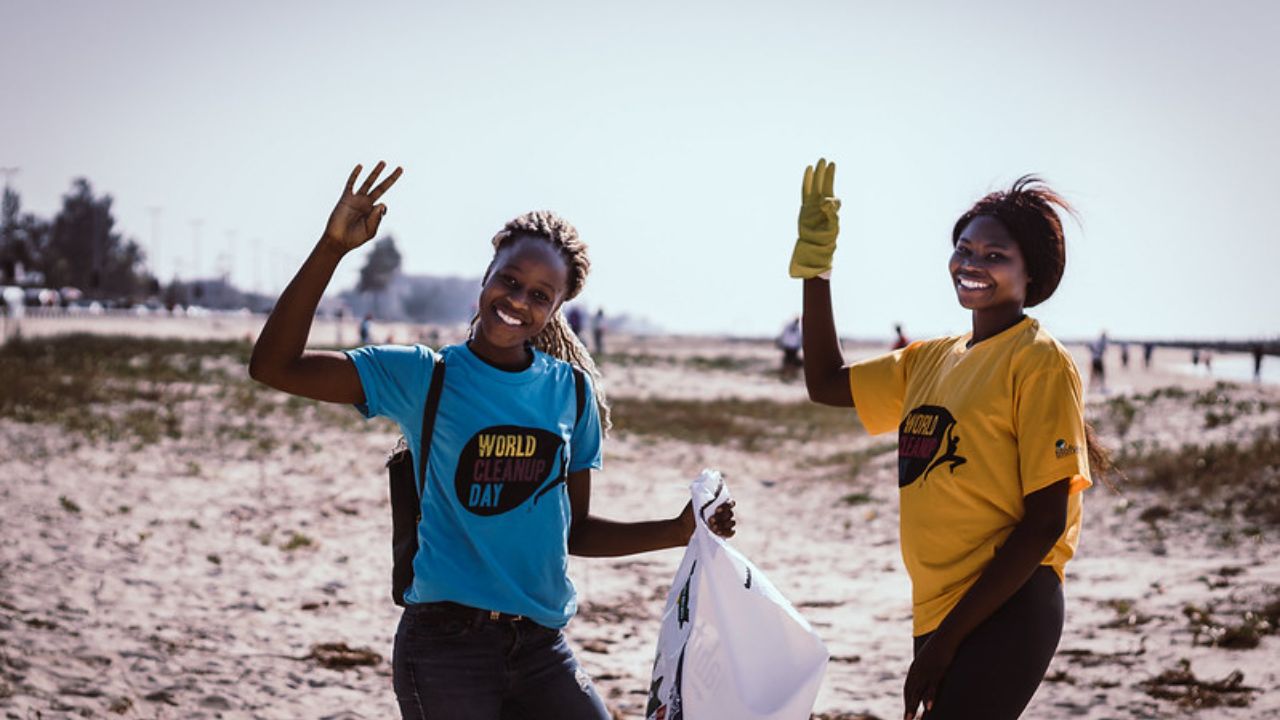
Environmental stewardship is an increasingly important focus for Kingdom outreach, with many Christians feeling called to care for creation as an expression of their faith. As climate change becomes a more pressing issue, churches are incorporating sustainable practices into their outreach efforts, from eco-friendly church buildings to green community development projects.
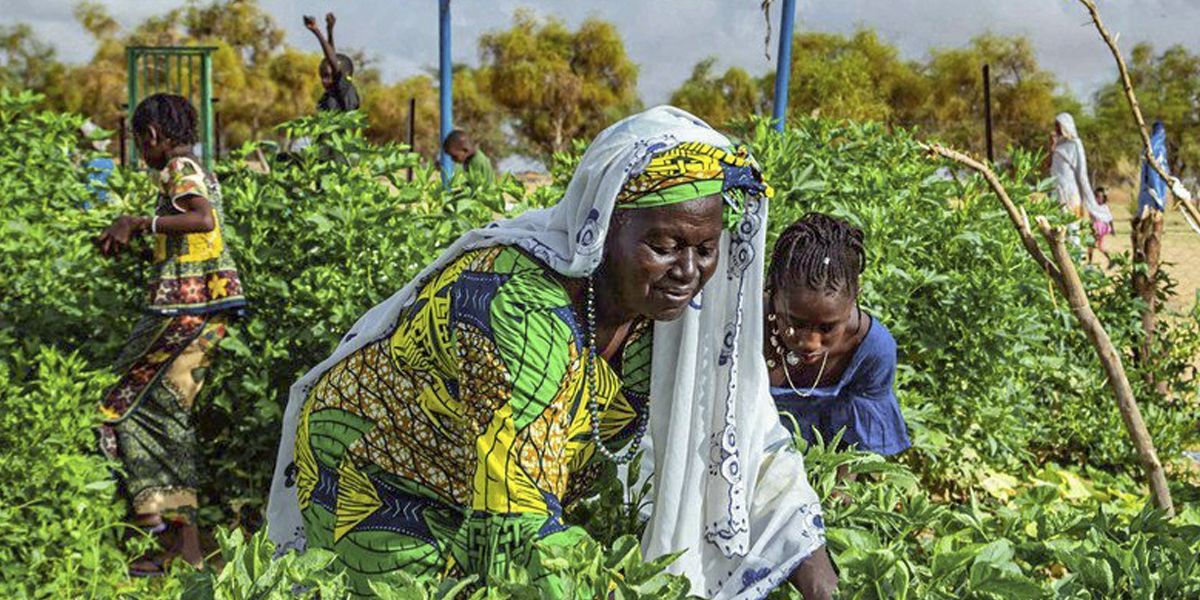
Kingdom outreach in 2025 will likely involve more initiatives aimed at environmental conservation, such as community gardens, renewable energy programs, and eco-friendly missions. U.S.-based churches will increasingly prioritize sustainability in both their outreach efforts and operational practices, ensuring that their impact on the world is both positive and enduring.
This shift toward sustainability is a reminder that caring for the planet is an integral part of Kingdom living. In the future, U.S. churches will likely lead the way in promoting green initiatives that not only impact the local community but also help combat global environmental challenges.
6. Youth Engagement: Empowering the Next Generation of Kingdom Leaders
In 2025, youth will play a more prominent role in U.S. Kingdom outreach programs. The younger generation is increasingly passionate about social causes, and many are eager to take action in their local and global communities. Churches are responding by providing more opportunities for young people to get involved in outreach initiatives, from mission trips to community service projects.
Churches are also using technology to engage with youth in creative ways. Online platforms, podcasts, and interactive events allow young people to engage with Kingdom outreach from the comfort of their homes or schools. Youth leaders will continue to harness technology, while also encouraging hands-on, face-to-face engagement in service projects and outreach programs.
The prediction for 2025 is that youth involvement in Kingdom outreach will increase, with young people becoming more active leaders in social justice movements, community outreach, and global missions. This is an exciting trend that will ensure the future of Kingdom outreach is driven by passionate, innovative leaders.
Conclusion: A Bright Future for U.S. Kingdom Outreach
As we look ahead to 2025, U.S. Kingdom outreach programs are evolving to meet the needs of a changing world. From digital evangelism and interdenominational collaboration to a focus on social justice and sustainability, these programs are adapting to new challenges and opportunities.
The future of Kingdom outreach in the U.S. looks bright, with a greater emphasis on unity, global impact, and the holistic care of individuals and communities. As churches continue to innovate and expand their outreach efforts, the Kingdom of God will reach more hearts and minds than ever before.
Want to learn more about how your church or organization can get involved in impactful Kingdom outreach? Visit PKCM.org for resources, opportunities, and guidance on making a difference in your community and beyond!